



Why Your Core Is More Than Just Abs
Before diving into exercises, it's crucial to understand what your core really is. It’s not just the six-pack muscles (the rectus abdominis), but a complex system of deep and superficial muscles that wrap around your torso. This includes your obliques,
lower back, glutes, and pelvic floor. A strong core acts as your body’s stability centre, improving posture, balance, and reducing the risk of injury. It supports you in everything from lifting groceries to maintaining good form while working at a desk. The goal of core training isn't just aesthetics; it's about building a functional, resilient foundation.
The Starting Point: Kneeling Plank
For anyone new to fitness or returning after a break, the kneeling plank is the perfect starting point. It allows you to build foundational strength without putting excessive strain on your lower back or wrists. To perform it correctly, start on your hands and knees. Walk your hands forward until your body forms a straight line from your head to your knees. Keep your neck neutral by looking at the floor slightly ahead of your hands, and most importantly, engage your abdominal muscles and squeeze your glutes. The aim is to prevent your hips from sagging. Hold this position for 20-30 seconds, focusing entirely on good form over duration.
The Next Level: Mastering the Full Plank
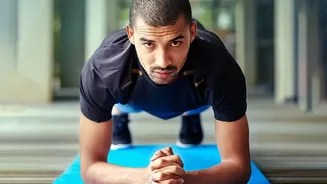
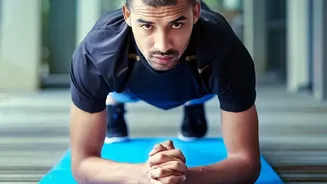
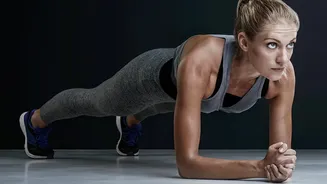
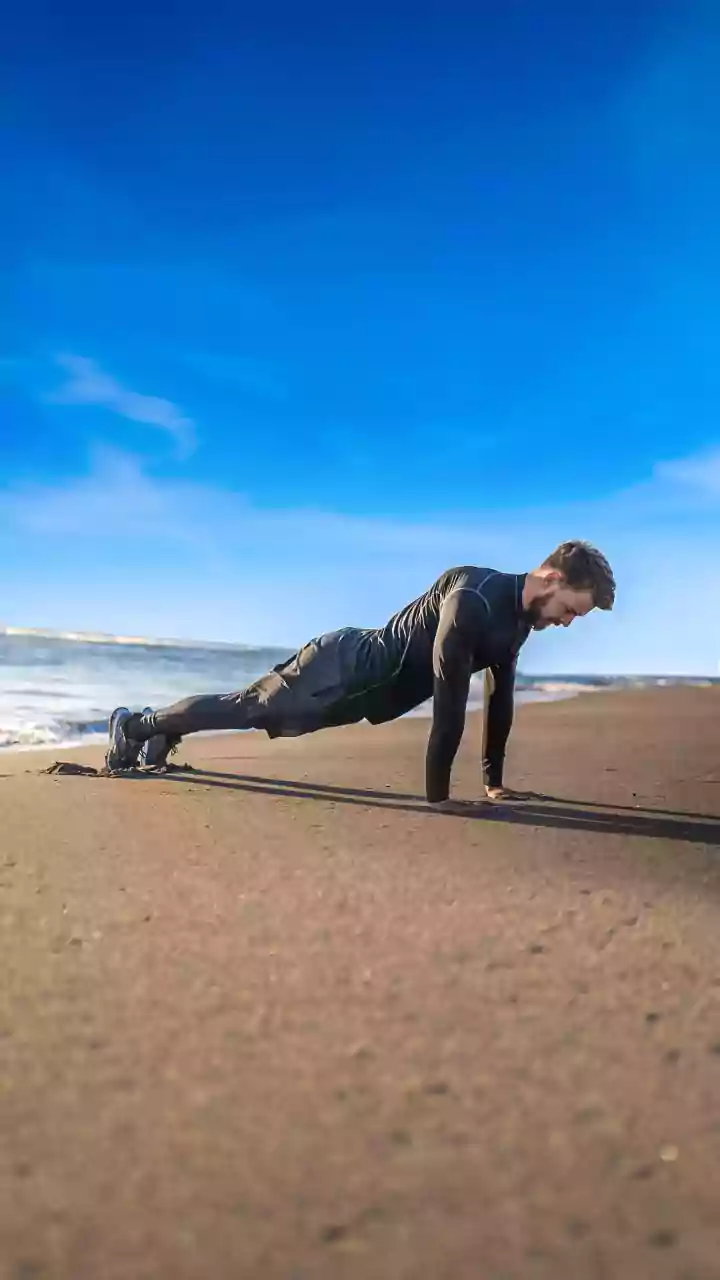
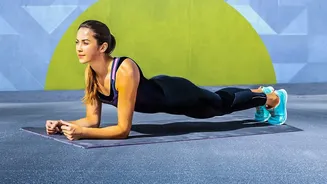
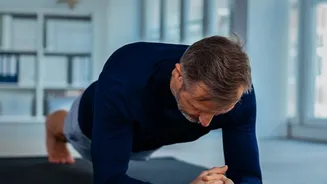
Once you can comfortably hold a kneeling plank with perfect form for a minute, you are ready to progress. The full plank, or standard plank, is a staple exercise for a reason: it engages multiple muscle groups simultaneously. From a push-up position, with your hands directly under your shoulders, extend your legs back and balance on your toes. Your body should form a straight, rigid line from your head to your heels. Common mistakes include letting the hips drop too low or raising them too high, both of which reduce the exercise's effectiveness and can strain the back. Focus on quality, aiming for shorter holds with perfect tension before trying to extend the time.
Introducing Movement: Dynamic Variations
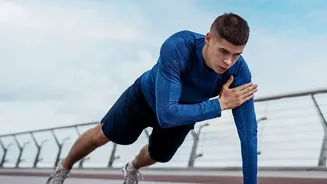
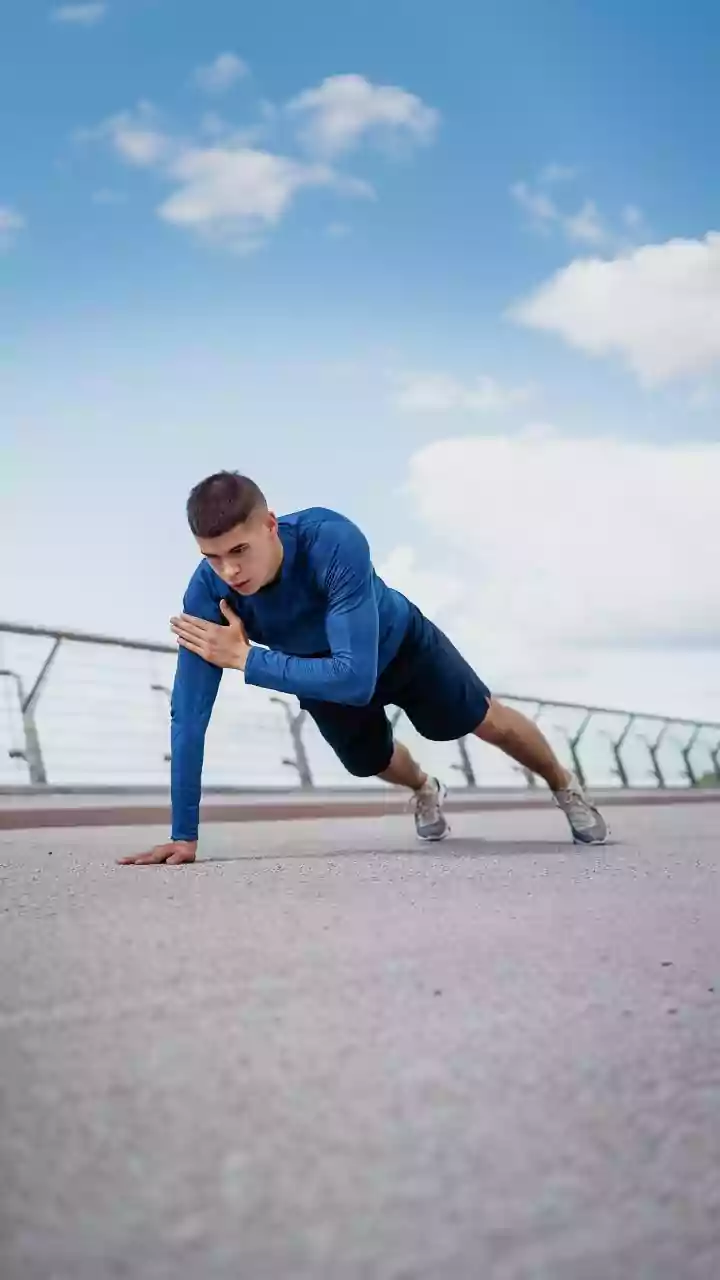
Once you've built a solid static hold, the next step is to challenge your stability with movement. Dynamic core exercises teach your muscles to brace and control motion, which has immense carryover to real-life activities. Start with simple variations like Plank Shoulder Taps, where you alternate tapping each shoulder with the opposite hand while keeping your hips perfectly still. Another great option is Mountain Climbers, where you drive your knees towards your chest in an alternating rhythm. The key here is control; move slowly and deliberately at first to ensure your core remains engaged and your hips don't sway side-to-side.
Building Rotational and Lateral Strength
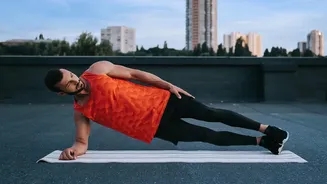
Your core is designed to twist and bend, so training should reflect that. Incorporating exercises that challenge you from different angles is key. The Side Plank is an excellent exercise for targeting the obliques and improving anti-lateral flexion strength. For a dynamic challenge, add a 'Side Plank with Reach Under', where you rotate your torso to thread your top arm under your body. To train anti-rotation, the Pallof Press is a fantastic choice, using a resistance band or cable machine to challenge your core to resist twisting forces. These movements build the kind of 360-degree strength that protects your spine.
Advanced Training: Instability and Power
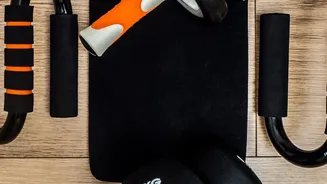
For those who have mastered the fundamentals, it's time to add complexity and power. Advanced core training often involves instability or explosive movements. An Ab Wheel Rollout, for instance, is an advanced anti-extension exercise that requires immense core control. A Plank with Alternating Arm and Leg Lifts challenges your stability by creating an unstable base. For developing power, Medicine Ball Slams or Woodchoppers are effective, as they require your core to transfer force rapidly and explosively through your body. These exercises should only be attempted when you have a very strong foundational base to prevent injury.