
A Global Celebration of Space
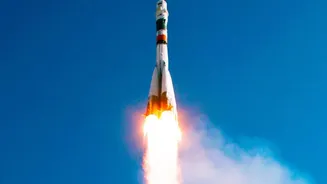
World Space Week is an annual, UN-declared event that celebrates the contributions of space science and technology to humanity. The dates were chosen to commemorate two key events in space history: the launch of Sputnik 1, the first artificial satellite,
on October 4, 1957, and the entry into force of the Outer Space Treaty on October 10, 1967. Each year, a theme is chosen to guide events across more than 100 countries, from school lectures to museum exhibits, all designed to inspire public interest and foster international cooperation in space. In India, organisations like ISRO and various universities are hosting outreach programmes, workshops, and competitions to engage students and the public.
The Reusable Rocket Revolution
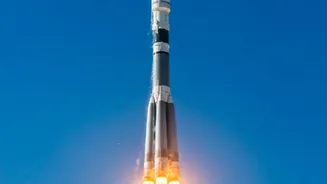
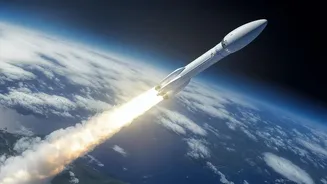
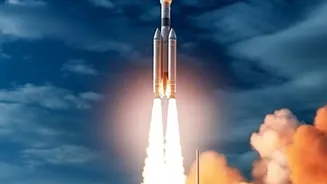
This year's theme, 'Rocket Revolution', zeroes in on the dramatic transformation in how we get to space. For decades, space launch was the exclusive domain of a few government agencies using expensive, single-use rockets. Today, the landscape is unrecognisable. The primary driver of this change is reusability. Spearheaded by private companies, the ability to land and reuse the most expensive parts of a rocket has drastically cut the cost of reaching orbit. This isn't just a Western phenomenon; ISRO is actively developing its own Reusable Launch Vehicle (RLV-TD) to make space access more affordable. This technology lowers financial barriers, enabling more frequent launches for everything from scientific research to deploying large satellite constellations.
India's Private Sector Takes Flight
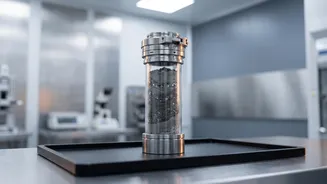
The 'Rocket Revolution' is not just about government agencies; it's also about the explosive growth of a commercial space industry. In India, this shift is creating a vibrant new ecosystem. Startups founded by former ISRO scientists are now building and launching their own rockets. Hyderabad-based Skyroot Aerospace made history in July 2026 by launching Vikram-1, becoming India's first private company to send a rocket into orbit. This milestone placed India in an elite club with the US and China as countries with private orbital launch capabilities. Another key player, AgniKul Cosmos, incubated at IIT Madras, is developing its Agnibaan rocket, which features the world's first single-piece 3D-printed engine. These companies are not just complementing ISRO's capabilities but are building a competitive commercial launch market aimed at small satellites.
Powering India's National Ambitions
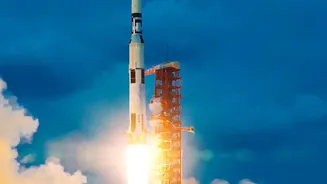
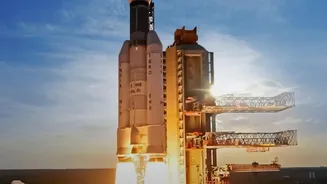
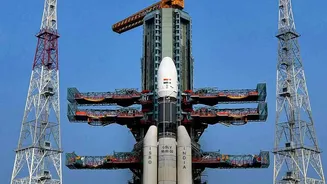
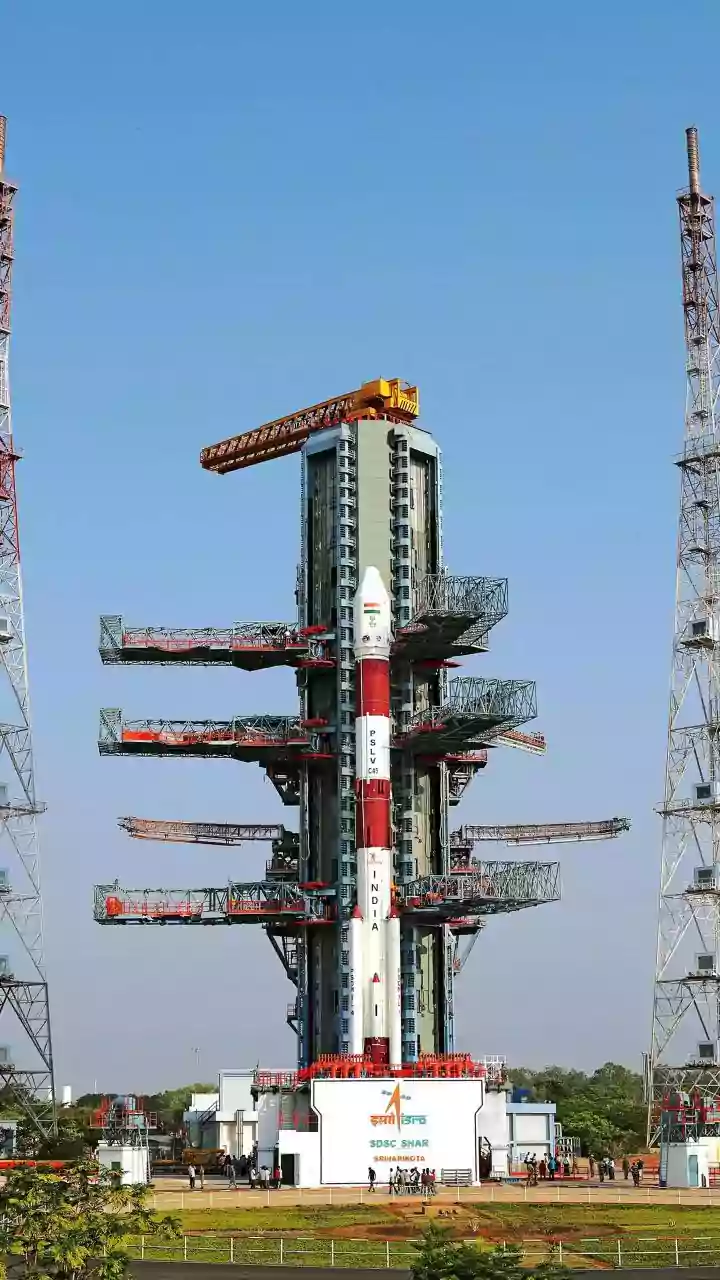
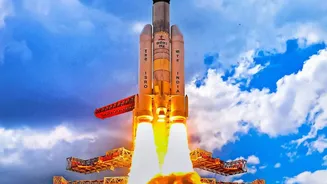
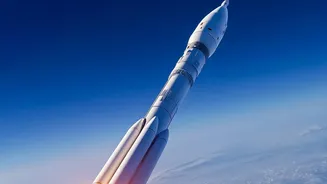
While the private sector blossoms, ISRO's rocketry programme remains the backbone of India's space ambitions. The Polar Satellite Launch Vehicle (PSLV) is the trusted workhorse for countless missions, while the heavy-lift LVM3 is critical for national prestige projects like the Chandrayaan moon missions and the upcoming Gaganyaan human spaceflight mission, currently planned for 2027. The success of Gaganyaan would make India only the fourth nation to independently send humans to space. To meet future demands, ISRO is also developing a Next Generation Launch Vehicle (NGLV), a partially reusable system designed to be the future of India's heavy-lift capabilities, further driving down costs and increasing launch capacity.
More Than Just Launching Satellites
The impact of this rocket revolution extends far beyond the launchpad. Cheaper and more frequent access to space is the enabling force behind the modern digital economy. It allows for the deployment of massive satellite constellations that provide high-speed internet to remote areas, improve GPS navigation, and offer detailed Earth observation for applications like climate monitoring and disaster management. Furthermore, it is the bedrock of future ambitions, including sustained human presence on the Moon through programmes like NASA's Artemis and, eventually, missions to Mars. As rocket technology continues to evolve, it unlocks new commercial opportunities and solidifies space infrastructure as a critical component of modern life.