


More Than Just Cardio
A truly effective fitness routine goes beyond simply elevating your heart rate. While cardiovascular exercise is crucial for heart health and stamina, a well-rounded approach also includes strength, flexibility, balance, and coordination. Relying on one-dimensional
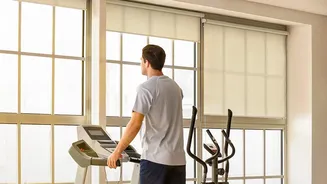
workouts, like running in a straight line on a treadmill, can lead to plateaus and neglect other important aspects of physical wellness. Dance aerobics shines because it integrates multiple fitness elements into a single, dynamic session. It’s a form of functional, weight-bearing activity that challenges your body to move in multiple planes—forward, backward, and side-to-side—engaging stabilizer muscles that traditional cardio often misses.
The Rhythm of a Healthy Heart
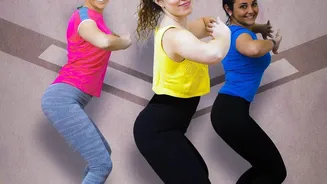
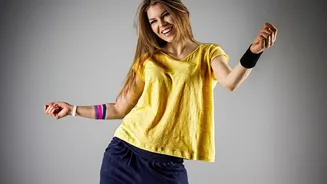
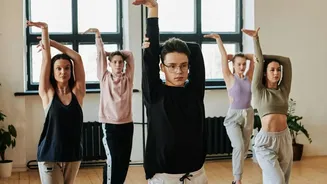
At its core, dance aerobics is an excellent form of cardiovascular exercise. Routines are designed to keep your heart rate elevated, strengthening your heart muscle, improving blood flow, and boosting lung capacity over time. Depending on the style and intensity—from high-energy Zumba and BollyX to Jazzercise—you can burn as many calories as you would while jogging or swimming. Unlike repetitive cardio machines, the constant variation in movements and tempo keeps both your body and mind engaged, making it easier to stay consistent. The fun factor is a powerful motivator; you get a serious workout that feels more like a party.
Finding Your Footing with Better Balance
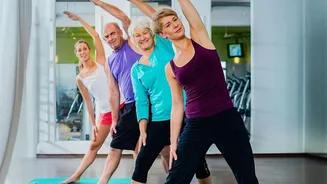
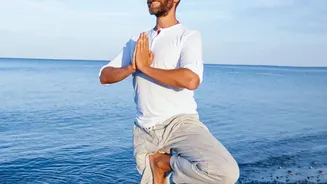
One of the standout benefits of dance aerobics is its remarkable impact on balance. The diverse and often complex movements require your body to constantly adjust and stabilize itself. Quick changes in direction, shifts in weight, and single-leg stances challenge your core and lower-body muscles in ways that linear exercises do not. This process trains your proprioception—your body's awareness of its position in space. Regular practice can lead to significant improvements in stability and can even reduce the risk of falls, particularly as you age.
Connecting Mind and Body
Dance aerobics isn't just a physical workout; it's a mental one, too. Learning and remembering choreography requires focus, memory, and concentration. This mind-body connection strengthens neural pathways and improves cognitive function. As you learn to coordinate your arms, legs, and core to the rhythm of the music, you are actively improving your neuromuscular coordination. This is the ability of your brain to communicate effectively with its muscles, leading to smoother, more efficient movements in all areas of your life. This cognitive engagement makes the workout feel less monotonous and more immersive.
How to Start Your Dance Journey Safely
Getting started with dance aerobics is accessible for nearly everyone. Begin by choosing a style that appeals to you; many fitness centers, studios, and online platforms offer beginner classes. Look for instructors who provide modifications for different fitness levels. Wear comfortable clothing that allows for a full range of motion and supportive athletic shoes. Always start with a warm-up to prepare your muscles and joints for movement, and end with a cool-down to aid recovery. Most importantly, listen to your body. It's okay if you don't get every step right away—the main goal is to just keep moving. Don’t push through sharp pain, and take breaks when you need them.
Progressing with Confidence
Once you feel comfortable with the basic movements, you can start to progress. One way is to increase the intensity by making your movements bigger and more energetic. You can also try more complex choreography that challenges your coordination further. As your stamina improves, you can increase the duration of your workouts. Consistency is more important than intensity, especially at the beginning. Aim for a few sessions per week to allow your body to adapt and build muscle memory. Before long, you'll not only notice improvements in your cardio fitness but also in your grace, posture, and overall physical confidence.