



The New Visa Rules Explained
In a major move to boost tourism and cultural exchange, Uzbekistan announced a new visa regime for Indian citizens in late August 2026. The policy, which came into effect on September 1, 2026, allows for 30-day visa-free entry for certain Indian travellers.
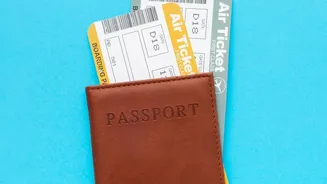
However, it's important to understand the specifics. This visa-free access is conditional: it applies to Indian citizens who hold a valid, multiple-entry visa for countries such as the USA, UK, Canada, Australia, Japan, South Korea, or the Schengen states. Eligible travellers must also hold an air ticket for a return flight or onward travel to a third country. Previously, most Indian travellers had to apply for an e-visa. While that simple online process remains available for those who don't meet the new conditions, this change opens a new, more spontaneous gateway for many frequent international flyers. Before making non-refundable bookings, always confirm the latest rules with the Embassy of Uzbekistan or your airline.
Crafting Your Silk Road Itinerary
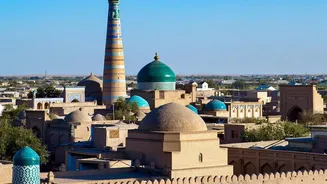
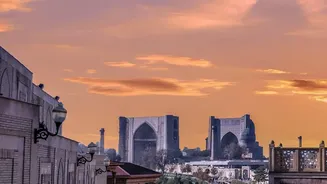
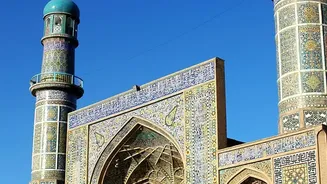
A 30-day stay provides ample time to explore the country's most iconic destinations. Most journeys begin in Tashkent, the modern capital with its stunning Soviet-era metro stations and bustling Chorsu Bazaar. From there, the famed high-speed 'Afrosiyob' train connects you to the heart of the Silk Road. No trip is complete without visiting Samarkand, home to the magnificent Registan Square, a breathtaking plaza of three grand madrasahs. Next, head to Bukhara, a city whose historic centre is a UNESCO World Heritage site, filled with ancient mosques, caravanserais, and a maze of narrow, winding streets. For a true desert adventure, continue to Khiva, a walled city that feels like an open-air museum. For those with more time, the Fergana Valley offers a glimpse into a region known for its traditional crafts and agriculture.
A Taste of Uzbekistan
Uzbek cuisine is a highlight for many visitors, with familiar yet distinct flavours. The national dish is 'plov', a hearty rice pilaf cooked with meat (usually lamb or beef), carrots, onions, and spices, often prepared in a giant cauldron called a 'kazan'. You will also find 'shashlik' (grilled meat skewers) and 'samsa' (baked pastries filled with meat or pumpkin) in abundance. 'Manti' are steamed dumplings, another local favourite. For vegetarians, options can sometimes be limited as meat is central to the cuisine, but you can find vegetable-based salads, soups, and dishes like pumpkin-filled manti. Don't miss out on the local bread, 'non', which is baked in a tandoor-style oven and is an essential part of every meal.
Essential Travel and Planning Tips
Planning your trip is straightforward. Direct flights connect Delhi with Tashkent, typically taking around 4.5 hours. Uzbekistan Airways and other carriers operate these routes. The local currency is the Uzbekistani Som (UZS). While credit cards are accepted in some high-end hotels and restaurants in Tashkent, it is largely a cash-based economy, so it's wise to carry enough for daily expenses. The official languages are Uzbek and Russian, with English being spoken more commonly by younger people and in major tourist hubs. It’s always helpful to learn a few basic Russian or Uzbek phrases. Local registration is important; your hotels will provide you with small registration slips for each night's stay. You must keep these slips, as they may be checked by immigration upon your departure.