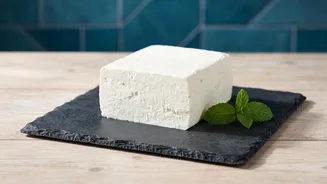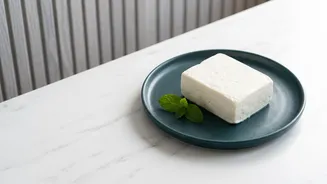





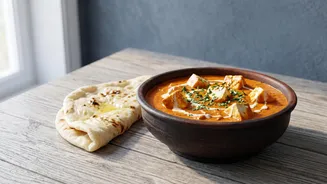

What is FSSAI Proposing?
The Food Safety and Standards Authority of India (FSSAI) has introduced a draft amendment that aims to restrict the use of the word 'paneer' for products not made from milk. According to the proposal, which amends the 2011 regulations on food sales, any
product licensed under the 'Analogue in Dairy Context' category must stop using the term 'paneer' in its name, labelling, and marketing. The regulator has opened the draft for public and stakeholder suggestions for a 60-day period before making a final decision. This move isn't just about packaged goods; it extends to restaurants, hotels, and caterers, who would be required to clearly disclose on menus if they are using a paneer substitute.
Understanding 'Analogue Paneer'
So, what exactly is an 'analogue' product? FSSAI defines it as a food where constituents not derived from milk are used to wholly or partially replace milk components. In the case of analogue paneer, this typically means milk fat and milk proteins are swapped out for cheaper alternatives like vegetable oils (often palm oil), starches, and plant-based proteins. While these products are engineered to mimic the look, feel, and function of traditional paneer, their nutritional profile can be vastly different. This has been a growing concern, as consumers may unknowingly purchase a product that lacks the protein and nutritional value they expect from authentic, milk-based paneer.
The Drive for Transparency
The core of FSSAI's argument is consumer protection. The regulator's main goal is to prevent customers from being misled about the nature and composition of the food they buy. With paneer being a major source of protein and a trusted food item in millions of Indian households, the concern is that consumers are paying for a dairy product but receiving a substitute. This move toward clearer labelling is part of a broader push for transparency, where consumers can make informed choices based on accurate information. The Health Ministry has backed the proposal, stating that product names should accurately reflect their composition.
A Nationwide Move After State Action
FSSAI's proposal for a national framework comes after several states took matters into their own hands. Over the past year, states including Maharashtra, Karnataka, Gujarat, and Chhattisgarh have already imposed bans or restrictions on the sale of analogue paneer. Maharashtra's Food and Drug Administration, for example, implemented a one-year ban after finding a high percentage of paneer samples were adulterated with vegetable fat. These state-level crackdowns highlighted the need for a uniform, nationwide rule to avoid confusion and ensure consistent enforcement across the country. FSSAI's draft regulations aim to create that single, clear standard for all food businesses in India.
What This Means For Your Plate
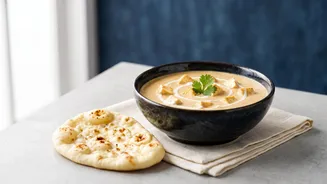
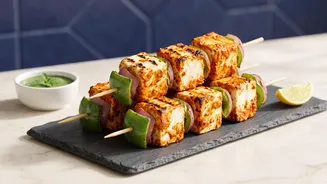
If the draft regulations are finalized, you can expect to see significant changes in the grocery aisle and on restaurant menus. Companies that produce plant-based or other non-dairy paneer alternatives will need to rebrand their products with a new name. You might see terms like 'Tofu Cubes', 'Plant-Protein Cubes', or another creative descriptor, but the word 'paneer' will be reserved for the real deal. For diners, restaurants will have to be upfront about the ingredients in their dishes. If your Palak 'Paneer' is made with a vegetable oil-based substitute, the menu will have to say so, ensuring you know exactly what you are ordering and eating.