







The Rise of the Bleisure Traveller
Bleisure, a portmanteau of business and leisure, is the practice of extending a work trip to include personal vacation time. Once a niche perk, it has become a mainstream travel trend, particularly with the rise of flexible work arrangements post-pandemic.
Companies are increasingly supportive, seeing it as a way to improve employee well-being and job satisfaction. Recent data shows a significant surge in interest, with some reports indicating that more than 80% of business travellers are looking to add leisure time to their work trips. This trend is especially popular among millennials, but its appeal spans all generations who value a better work-life balance. In India, the trend is even more pronounced, with professionals reportedly taking more bleisure trips annually than the global average.
The Dream Itinerary
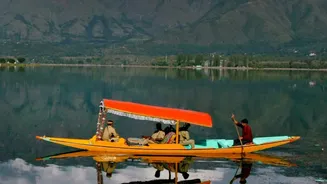
On paper, the benefits of bleisure are undeniable. The most significant advantage is cost-effectiveness; with flights and some accommodation often covered by the employer, the traveller's personal cost for a vacation is drastically reduced. It’s an opportunity to explore a destination you might not have visited otherwise, going beyond the conference room to experience local culture, food, and attractions. For many, it transforms the chore of business travel into an exciting opportunity. It can reduce the stress and burnout associated with frequent work trips, allowing an employee to return feeling recharged rather than exhausted. It also offers a chance to combat the loneliness of solo travel by having family or friends join for the leisure portion of the trip.
The Reality Check: More Burnout than Bliss?
However, the glamorous image of seamless transitions from boardroom to bazaar can be misleading. The primary challenge is the potential for blurred boundaries between professional and personal life. It can be incredibly difficult to mentally 'switch off' from work when your leisure time is sandwiched between professional commitments. Answering just one more email in the evening can easily bleed into your planned sightseeing. This can lead to a different kind of exhaustion, where neither work nor leisure gets your full attention. The pressure to maximise every moment can turn a relaxing evening into another item on a packed to-do list. Instead of returning refreshed, some bleisure travellers find themselves more tired than when they left, having tried to cram two distinct trips into one.
Making the Blend Work for You
Despite the challenges, bleisure is not a failed experiment. The key is managing expectations and planning realistically. Successful bleisure travel isn't about doing everything; it's about doing a few things well. Instead of trying to sightsee every single night after a long day of meetings, a more practical approach is to add a full day or a weekend onto the end of your trip. This creates a clear separation between your work time and personal time. It’s also crucial to set boundaries. Inform colleagues that you will be unavailable during your designated leisure days. Don't overschedule your personal time; sometimes the best part of being in a new city is simply wandering without a strict itinerary. Acknowledge that you'll be tired and build in time for rest.
The Future of Travel is Hybrid
As companies continue to recognise that employee well-being is linked to productivity, the support for bleisure is only expected to grow. Some organisations are already formalising policies to make the process smoother for employees, clarifying expense-tracking and duty-of-care responsibilities. The bleisure traveller, in turn, is becoming more sophisticated, seeking out accommodations that cater to both work and relaxation needs—think reliable Wi-Fi and a good workspace alongside a great location for exploring. The global market value for this travel segment is projected to grow substantially in the coming years, signalling a permanent shift in how we view the relationship between our work and our desire to explore the world.