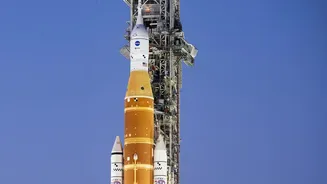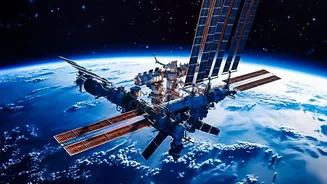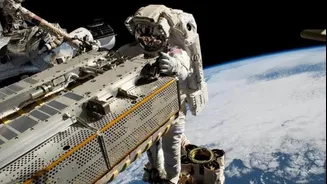

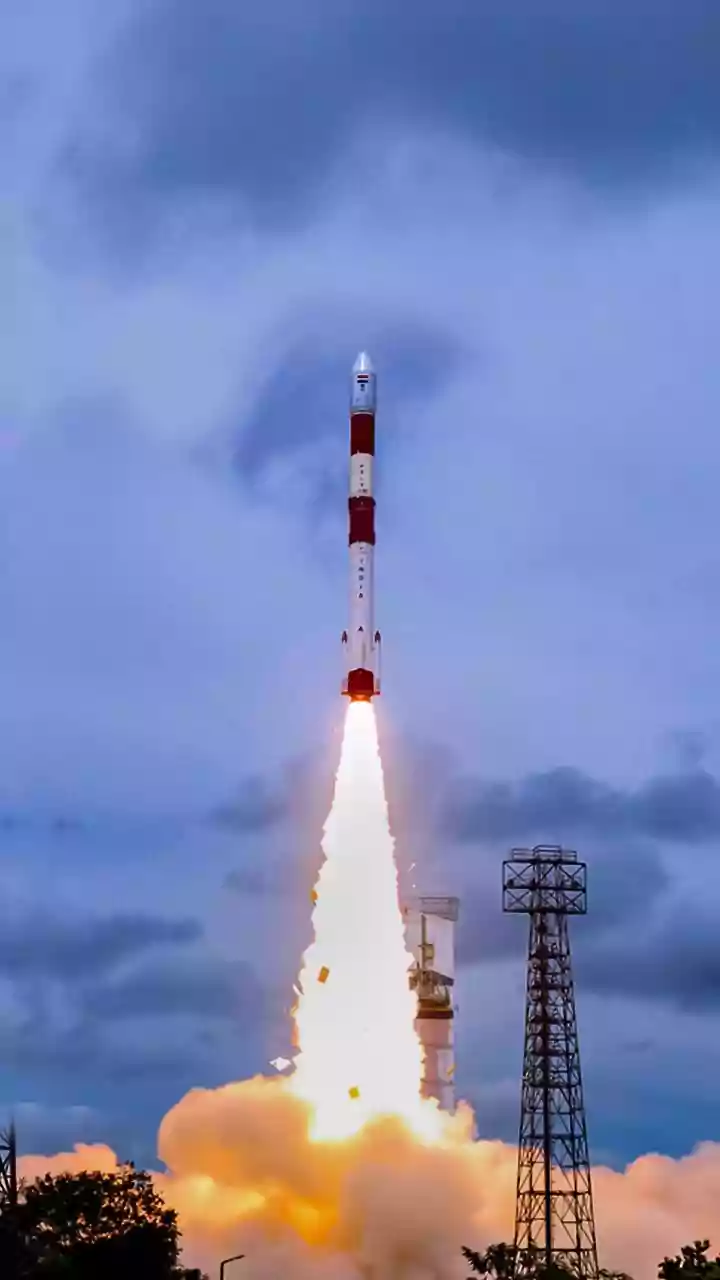

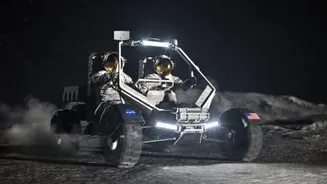
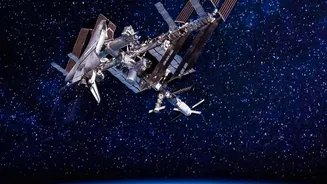
For the first time since 2024, NASA is looking for a new class of astronauts. The application window is now open for a chance to join the Artemis generation, a select group of explorers who will help humanity return to the Moon and prepare for Mars.
An Invitation to Explore
On
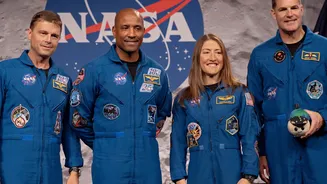
November 7, 2026, NASA officially announced it is accepting applications for its next astronaut candidate class. The window to apply is brief, closing at 11:59 p.m. EST on December 3, 2026. This recruitment drive is a critical step in staffing the agency's ambitious Artemis program, which aims not just to return astronauts to the lunar surface but to establish a permanent base there as a stepping stone for future crewed missions to Mars. As NASA Administrator Jared Isaacman stated, the people selected could be among those who walk on the Moon, live and work at the planned Moon Base, and pioneer the systems needed for Martian exploration. With only 32 astronauts currently in the active corps, this new class is essential for the demanding missions ahead.
The Right Stuff: 2026 Edition
The basic requirements to apply are stringent. All applicants must be U.S. citizens. Academically, a master's degree from an accredited institution in a STEM field—such as engineering, biological science, physical science, or computer science—is required. However, NASA offers alternatives to this rule. The master's degree requirement can also be met by having two years of work toward a doctoral program in a relevant field, a Doctor of Medicine (MD) or Doctor of Osteopathic Medicine (DO) degree, or completion of a recognized test pilot school program by July 2027. For the first time, this also includes advanced nursing degrees like a Doctor of Nursing Practice. Beyond academics, candidates need at least three years of related professional experience, or specific flight-hour milestones for pilots.
More Than a Degree
While technical expertise is the foundation, NASA's selection board looks for much more. The agency emphasizes that leadership, teamwork, and strong communication skills are crucial for anyone chosen. Astronauts work in high-stakes, confined environments for long durations, where the ability to collaborate effectively under pressure is paramount. The selection process is designed to identify individuals who not only have the academic and professional qualifications but also the mental and physical fortitude for long-duration spaceflight. All candidates must pass NASA’s rigorous long-duration astronaut flight physical. The last recruitment cycle in 2024 saw more than 8,000 people apply, with only 10 individuals ultimately selected in 2025. This highlights the immense competition and the premium placed on finding candidates with the complete package of skills and resilience.
The Grueling Path to Graduation
Submitting an application is just the first step in a long and arduous journey. After the December 3 deadline,
NASA's Astronaut Selection Board will spend months reviewing thousands of applications to identify a small group of the most highly qualified candidates.
This group will be invited to the Johnson Space Center in Houston,
Texas,
for a week of interviews,
medical screenings,
and team exercises.
About half of those interviewed will be invited back for a second round.
From this final pool,
NASA expects to announce its new astronaut candidate class in late $2027.
These candidates will then begin an intensive twond year training program covering everything from spacewalking and robotics to lunar geology and high performance jet piloting.