








The Pinch on Household Budgets
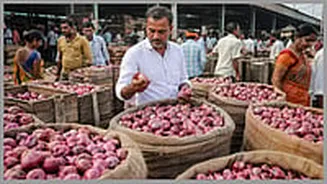
Across the country, the cost of this kitchen staple is making consumers wince. In major urban centres like Delhi, retail prices have jumped from a manageable Rs 35-40 per kilogram to a steep Rs 60-65 in a matter of weeks. This isn't just a big city problem;
the all-India average retail price surged by nearly 60% in the year leading up to late August 2026. For families navigating their monthly budgets, this sharp increase turns an everyday essential into a carefully considered purchase, with many customers reportedly cutting back on the quantity they buy. The timing, just ahead of the festive season, adds another layer of financial pressure.
A Multi-Pronged Government Response
On paper, the government appears to have the situation under control. The Ministry of Consumer Affairs has repeatedly assured the public that overall onion production for the year is robust and comfortable, estimated at over 307 lakh metric tonnes, which is nearly identical to the previous year. To combat the price rise, authorities have launched a multi-pronged counter-offensive. They have begun a targeted release of onions from the national buffer stock, a reserve maintained for precisely these situations. Special trains, dubbed the ‘Kanda Express,’ are being deployed to rush supplies from producing hubs like Nashik to consumption centres including Delhi, Kolkata, and Chennai. Furthermore, these buffer stock onions are being sold at a subsidised rate of Rs 35 per kg through government-affiliated outlets and mobile vans to provide direct relief to consumers.
The Real Culprit: Rotting Stock
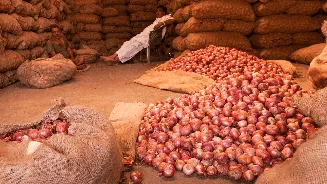
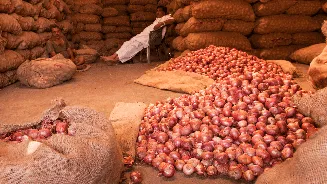
If production is stable and the government is releasing stock, what’s breaking the chain? The primary issue lies not in the quantity of onions harvested, but in the quality of onions stored. Unseasonal and heavy rains earlier in the year, during the rabi crop harvest, introduced a high degree of moisture into the onions before they were put into storage. This created a ticking time bomb. As temperatures rose in June and July, this trapped moisture led to widespread fungal growth and rotting from the inside out. Experts estimate that while a normal year sees about 25% spoilage in storage, this year the figure could be as high as 35-40%. This means a significant portion of the onions that exist on paper are not fit for the market, dramatically shrinking the actual, usable supply and driving up the cost of the good-quality onions that remain.
A Delayed Rescue From the Fields
The problem of rotting stored crop is compounded by a delay in the next harvest. The arrival of the fresh kharif onion crop, which typically replenishes markets from mid-October, has been pushed back. An erratic and delayed monsoon severely disrupted the planting schedule in key growing regions. As a result, substantial new arrivals are not expected until mid-November or even early December. This creates a dangerous supply gap. The current, damaged Rabi stock is depleting fast and is only expected to last until the end of September or mid-October. This leaves a window of several weeks where supply could become critically tight, putting even more upward pressure on prices just as festive demand peaks.
A Perfect Storm of Demand and Disruption
This fundamental supply crunch is being amplified by other factors. The August to October period is naturally a lean season for onion supply, a time when the market is wholly dependent on stored produce. This year, that lean season is colliding with the onset of major festivals like Ganesh Chaturthi, Durga Puja, and Diwali, which traditionally spur higher demand. On top of this, logistical hurdles, including transportation disruptions caused by rain in Maharashtra, have slowed the movement of stock to markets. Some officials have also pointed to market evils like hoarding and black-marketing by traders looking to profit from the scarcity, further distorting the supply chain and inflating prices for the end consumer.