




India's electric vehicle market is buzzing after impressive sales figures for October 2026 were released, showing a massive jump in growth. But while a single month's surge is exciting, it doesn't tell the whole story about the nation's EV journey.
The October Sales Snapshot
Retail
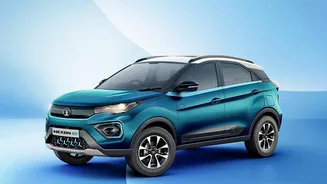
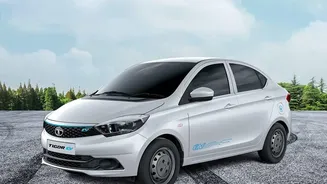
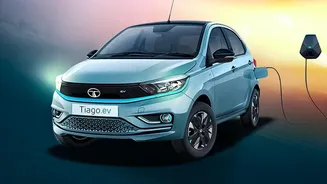
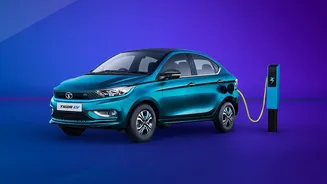
sales of electric passenger vehicles in India saw a dramatic year-on-year (YoY) increase of approximately 76% in October 2026, with around 37,000 units sold compared to just under 21,000 in October 2025. This surge contributed to EVs capturing a 7.3% share of the total passenger vehicle market for the month. Tata Motors continued its reign as the market leader, despite a marginal dip from the previous month, while competitors like Mahindra, MG, Kia, and even newcomer VinFast showed significant YoY growth. However, looking closer, the month-on-month (MoM) growth was a modest 2.6%, indicating that the headline-grabbing YoY number warrants a deeper look.
Monthly Highs vs. Annual Trajectory
A single month's sales can be influenced by many short-term factors. Festive seasons, like Diwali, often lead to a spike in vehicle purchases. New model launches from major players or attractive discount schemes can also temporarily inflate sales figures. For example, the October 2026 numbers were strong, but EV market share actually dipped slightly from 8.5% in September to 7.3%. This is why industry analysts caution against placing too much emphasis on monthly data. It provides a useful snapshot but can be volatile. Annual growth figures, which smooth out these peaks and valleys, offer a much more reliable picture of the market's underlying health and direction.
What's Powering the EV Push?
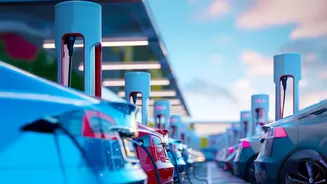
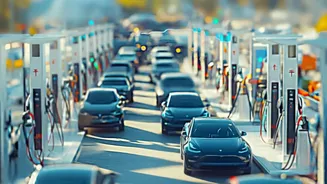
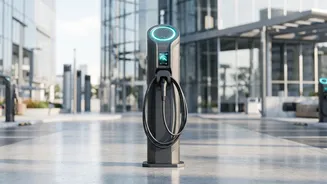
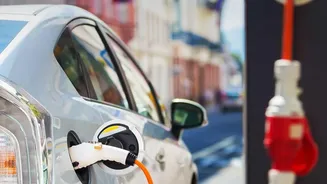
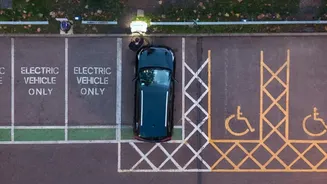
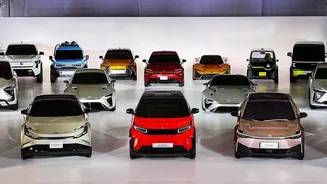
The consistent growth in India's EV sector isn't accidental. A combination of factors is driving adoption. Government policies, such as the FAME (Faster Adoption and Manufacturing of Hybrid and Electric Vehicles) scheme and its successors like PM E_DRIVE, have been crucial in making EVs more affordable through subsidies. At the same time, rising fossil fuel prices make the lower running costs of an EV increasingly attractive to consumers. The growing network of public charging stations, which now number over 72,000, helps to reduce 'range anxiety', one of the key barriers to adoption. Finally, a wider variety of models are now available across different price points from manufacturers like Tata, Mahindra, and MG, giving consumers more choice than ever before.
The Challenges on the Road Ahead
Despite the positive momentum, significant hurdles remain. The high upfront cost of electric cars compared to their internal combustion engine (ICE) counterparts is still a major deterrent for many buyers, even with subsidies. While the charging infrastructure is growing, it remains inadequate, particularly in Tier_2, Tier_3 cities, and rural areas. Furthermore, India's EV industry is heavily reliant on imports for critical components like lithium_ion battery cells and semiconductors, creating supply chain vulnerabilities. A shortage of skilled labour in advanced areas like battery technology and power electronics also presents a challenge to scaling up domestic manufacturing.
Why the Big Picture Matters Most
This brings us back to why annual growth is the true benchmark of success. India has an ambitious goal of having EVs make up 30% of new vehicle sales by 2030. Achieving this requires overcoming the structural challenges of cost, infrastructure, and supply chain dependency. Monthly sales surges are encouraging signs of progress and growing consumer interest. They show that when conditions are right—such as during a festive period with good offers available—people are willing to make the switch. However, the real story is in the year_over_year data, which reflects sustained demand and the market's ability to consistently expand. Forecasts predict the Indian EV market will grow at a compound annual growth rate (CAGR) of over 30% through 2033, indicating a strong long_term trend far more significant than any single month's performance.