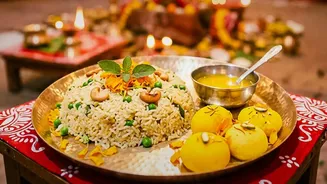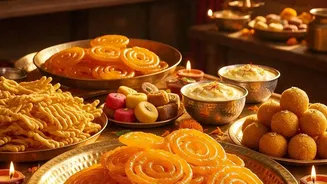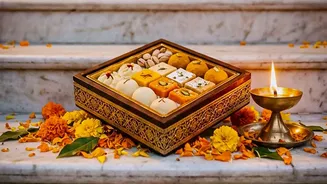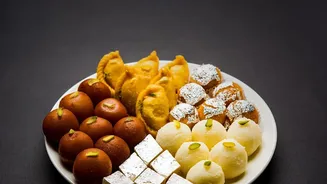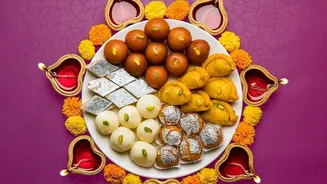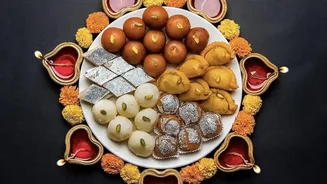



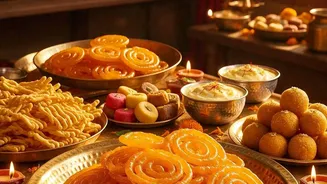
Diwali isn't complete without the joy of laddoos and barfi. But what if you could enjoy them more mindfully? A few smart tips about timing and context can help you savour every bite without the sugar crash, making your festival even brighter.
The Golden Rule: Never On An Empty Stomach
Reaching
for a sweet first thing in the morning or as a standalone snack might seem tempting, but it's the fastest way to cause a sharp spike in your blood sugar. When your stomach is empty, the sugar is absorbed very quickly, leading to that familiar cycle of a quick high followed by a crash that leaves you tired and craving more. The presence of other foods, especially protein, fibre, and fats, acts as a buffer. These nutrients slow down digestion, which in turn slows the release of sugar into your bloodstream. So, the cardinal rule is to enjoy your mithai as a dessert after a balanced meal, not as a snack on its own.
Timing Is Everything: The Post-Lunch Sweet Spot
While after any meal is good, the best time to indulge is after lunch. Your metabolism is more active during the day, and your body can more effectively use the energy from the sweet instead of storing it as fat. Eating a sweet late at night can interfere with sleep quality as it spikes blood sugar and insulin just as your body is trying to wind down. By having your laddoo or barfi in the afternoon, you give your body several active hours to process the sugar. Think of it as a small, joyful punctuation mark to a satisfying meal.
Quality Over Quantity: Not All Sweets Are Equal
The ingredients in your mithai make a significant difference. Traditional laddoos and barfi made with pure ghee are a better choice than those made with refined oils or vanaspati. Ghee is a source of healthy fats, contains fat-soluble vitamins like A, D, E, and K, and includes butyric acid, which supports gut health and aids digestion. Similarly, sweets made with natural sweeteners like dates or figs are preferable because they also provide fibre. While alternatives like jaggery contain more trace minerals than refined white sugar, it's important to remember that it still impacts blood sugar and should be consumed in moderation. Ultimately, savouring one high-quality, ghee-based sweet is more satisfying and better for you than eating several highly processed ones.
The Smart Pairing: Add Fibre And Protein
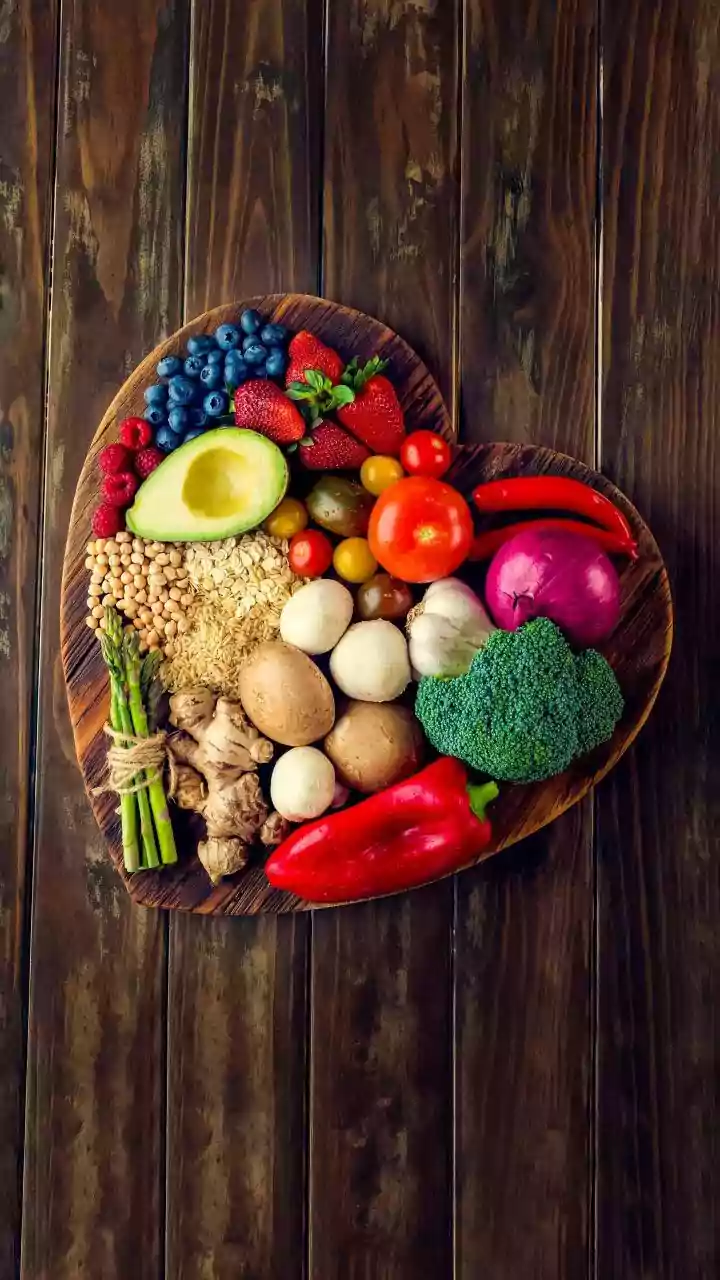
You can further buffer the impact of a sweet treat by ensuring your preceding meal is rich in fibre and protein. Fibre, found in vegetables, salads, and whole grains, is indigestible and slows down the entire digestive process, preventing a rapid release of sugar. Protein has a similar effect, taking longer to break down and helping to stabilize blood glucose levels. For instance, having a piece of barfi after a meal of dal, sabzi, and a small portion of rice is far better than having it after a meal of just fried snacks. This simple strategy lets you enjoy the sweetness in a much more balanced way.
The 15nd Minute Rule:_Walk It Off
One of the most effective tools at your disposal is a simple postmeal walk. Just 10 to 15 minutes of light walking after eating can significantly help manage blood sugar levels. When you walk, your muscles actively pull glucose from your bloodstream to use as energy, which helps prevent a sharp spike. This doesn't need to be a strenuous workout;_a gentle stroll around the neighbourhood is enough. Making a short walk a family ritual after a festive meal not only aids digestion and blood sugar control but also adds a pleasant,_active moment to your celebrations.