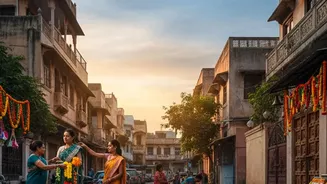




Celebrated by married women across North India, Karwa Chauth is a testament to love and devotion. Its most defining feature is the challenging nirjala vrat—a strict fast observed from sunrise to moonrise without food or water.
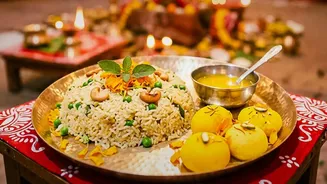
The Pre-Dawn Meal: Sargi
The day of Karwa Chauth begins
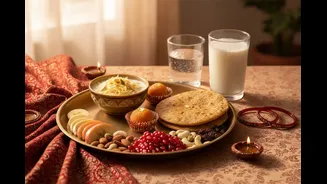
before the sun rises with a customary meal known as Sargi. Traditionally, this thali or collection of foods is a gift from a mother-in-law to her daughter-in-law, symbolizing her blessings, love, and care. It's more than just a meal; it's a ritual that strengthens familial bonds. The Sargi is thoughtfully prepared to provide energy for the demanding day ahead and must be consumed before sunrise, after which the fast officially begins. A typical Sargi platter includes items like fresh fruits, dry fruits, sweets, and light, nutritious dishes that offer sustained energy.
The Sunrise-to-Moonrise Fast
Once Sargi is consumed, the 'nirjala' fast commences. 'Nirjala' translates to 'without water', and observers traditionally abstain from both food and water for the entire day. This demanding fast is observed with immense faith and resolve. The day is often spent in a state of peaceful anticipation. Women may engage in prayers, apply mehendi, and prepare for the evening's rituals. Many choose to conserve their energy by avoiding strenuous activities, focusing instead on the spiritual significance of the day. It's a day of patience, reflecting the deeper themes of love and sacrifice that the festival represents.
Evening Preparations and Puja
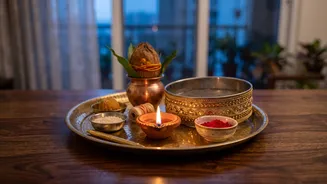
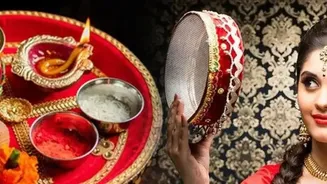
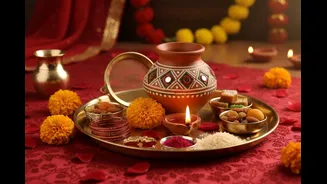
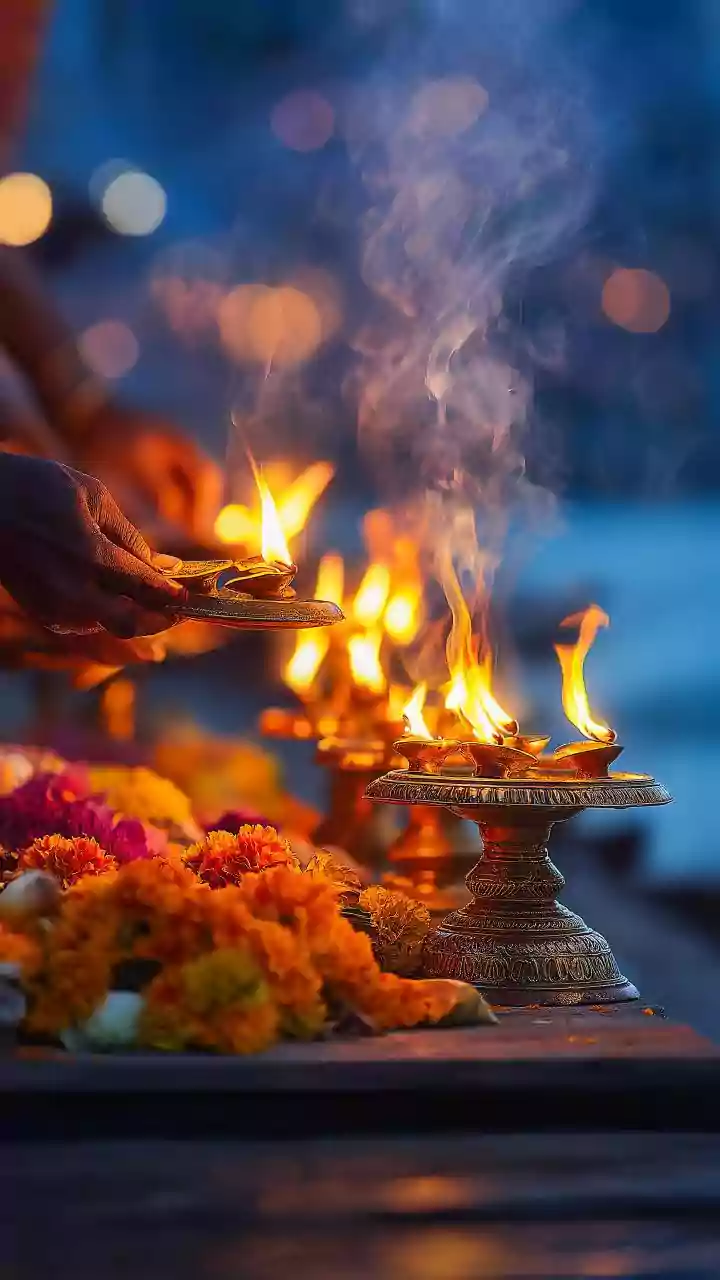
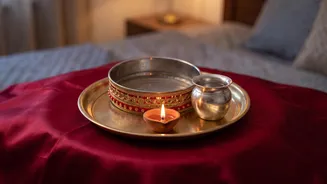
As evening approaches, preparations for the main puja begin. Women adorn themselves in beautiful traditional attire, often in auspicious colours like red, pink, or orange, and complete their 'solah shringar' (sixteen adornments). A dedicated space is cleaned and set up for the ceremony, often with an image or idol of Goddess Parvati and Lord Shiva. A special puja thali is prepared, containing essentials like a diya (earthen lamp), roli (vermilion), uncooked rice grains, incense sticks, sweets, and the 'karwa'—a small earthen pot with a spout, which is central to the festival's name and rituals.
The Katha and Community
A vital part of the evening ritual is the telling and listening of the Karwa Chauth 'vrat katha' (the story of the fast). Women in a community or family often gather together for this part of the ceremony. While holding a few grains of rice, they listen to the ancient legends, most popularly the story of Queen Veeravati, whose tale underscores the importance of observing the fast with sincerity. Other tales, like that of the devoted Savitri or of Draupadi from the Mahabharata, are also shared, reinforcing themes of marital devotion and faith. In some traditions, the women pass their thalis in a circle while singing traditional songs, creating a powerful sense of sisterhood and shared experience.
Sighting the Moon and Breaking the Fast
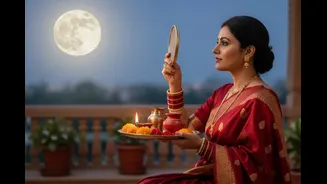
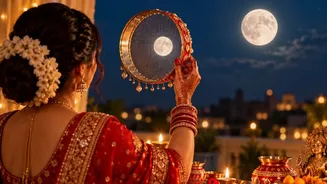
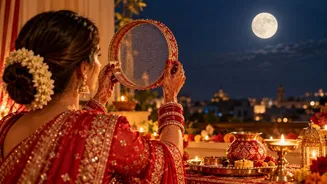
The fast culminates with the long awaited sighting of the moon. As the moon becomes visible, women go to an open area to make their final offering. They view the moon's reflection through a sieve (chhani), and then turn to look at their husband's face through the same sieve. They offer 'arghya' (water) to the moon from the karwa pot to seek blessings. After these prayers, the husband offers his wife the first sip of water and the first morsel of food, officially breaking her day long fast. This tender moment is a celebration of the couple's bond and the successful completion of the vrat.