

The Age-Old Navigation Problem
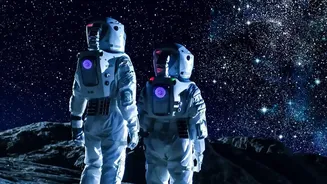
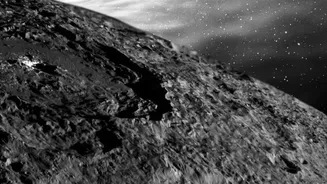
Navigating on the Moon has always been a monumental challenge. During the Apollo missions, astronauts relied on a combination of ground control support, star sightings, and dead reckoning—techniques that were functional but limited. Without an atmosphere,
landmarks lack the familiar haze that helps us judge distance on Earth, making visual navigation notoriously deceptive. Modern robotic missions have depended on the Deep Space Network, a collection of massive Earth-based antennas, to track their position. This method is reliable but creates a bottleneck. Every mission needs to schedule time, communication is slow due to the vast distances, and it’s impossible to use on the far side of the Moon, which is permanently blocked from Earth’s view. For a new era of sustained lunar presence, this tether to Earth simply won't suffice.
A GPS Signal from 400,000 Kilometres Away
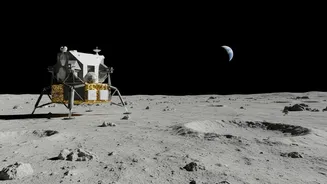
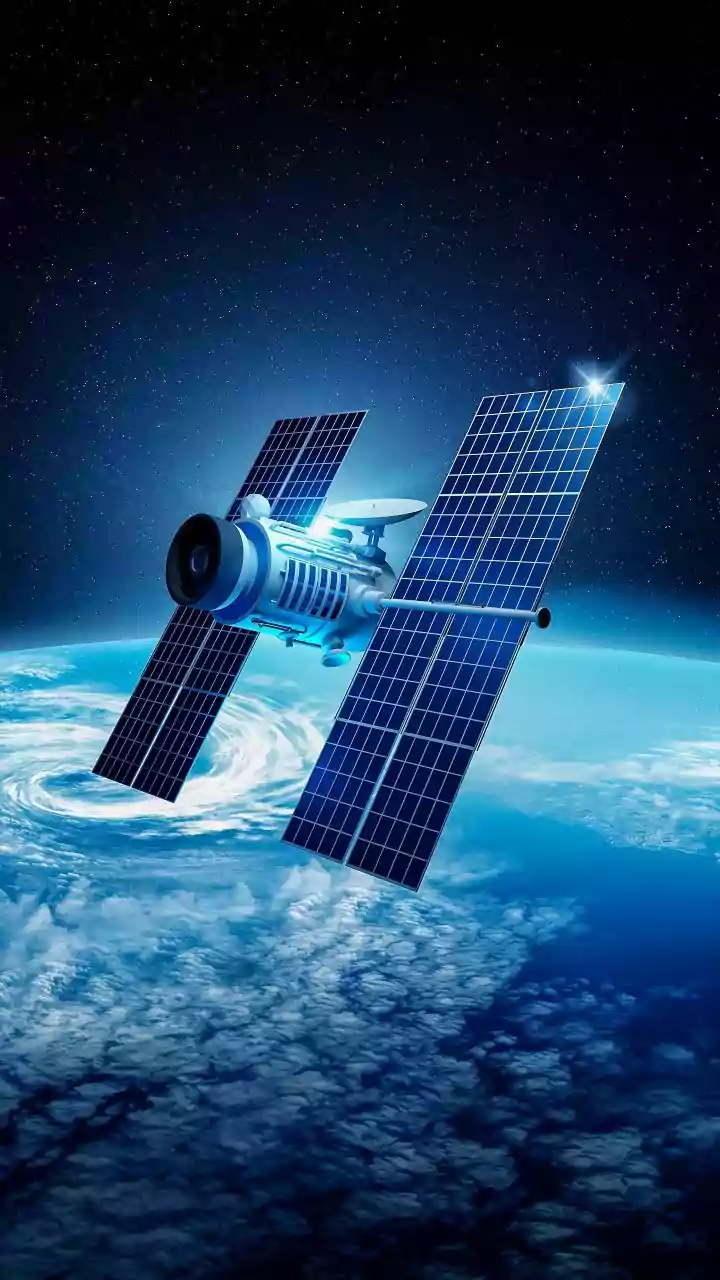
The game-changing revelation is that the Moon is already bathed in navigation signals—we just needed the right equipment to hear them. Earth’s Global Navigation Satellite Systems (GNSS), which include the familiar GPS, were designed for our planet, not deep space. However, NASA scientists theorized that the signals from these satellites don’t just stop at the edge of our atmosphere. They continue out into space, albeit becoming much weaker. A recent breakthrough experiment called the Lunar GNSS Receiver Experiment (LuGRE), a collaboration between NASA and the Italian Space Agency, proved this theory correct. A payload on a commercial lunar lander successfully detected signals from both GPS and European Galileo satellites, calculating the first-ever GNSS position fix on the lunar surface. This demonstrated that creating a lunar GPS doesn't require launching a whole new constellation of satellites around the Moon; we can leverage the network we already have.
How the Lunar Payload Works
Catching a faint GPS signal nearly 400,000 kilometres away is a remarkable feat of engineering. The satellites in Earth orbit have main antennas pointed at the planet's surface. But a significant amount of signal energy radiates out from the sides, known as sidelobes. While too weak for a standard smartphone to detect, payloads like LuGRE and NASA’s NavCube3-mini are specifically designed for this task. They use highly sensitive receivers and high-gain antennas to lock onto these weak sidelobe signals. By collecting data from four or more satellites, the receiver can perform the same triangulation calculation your phone does, pinpointing its location in real-time. This provides rovers and orbiting spacecraft with instant, on-board position, velocity, and timing data without needing to call home to Earth first.
Building LunaNet: An Internet for the Moon
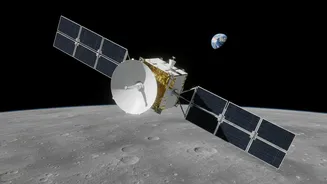
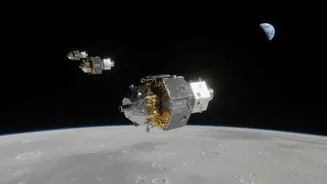
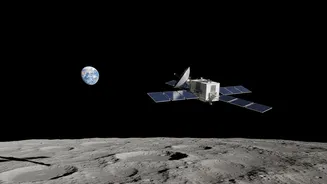
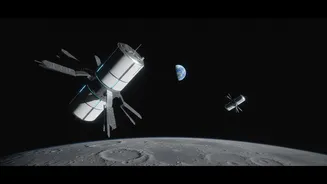
This new navigation capability is a foundational piece of a much grander vision: LunaNet. NASA envisions LunaNet as a flexible and extensible communications and navigation network for the Moon, akin to the internet and GPS on Earth. Instead of each mission communicating directly with Earth, they will connect to a local network of relay satellites and surface nodes. This network will provide seamless connectivity, allowing astronauts, rovers, and scientific instruments to communicate with each other and relay data back to Earth more efficiently. By providing shared navigation and communication services, LunaNet will empower a whole ecosystem of government and commercial missions to operate simultaneously, whether on the near side, the far side, or in lunar orbit.
Unlocking the Future of Lunar Exploration
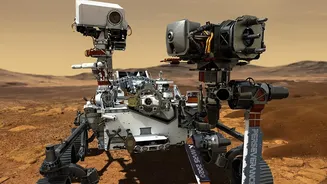
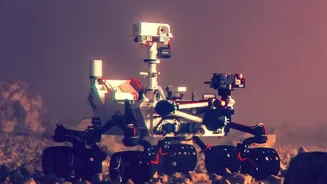
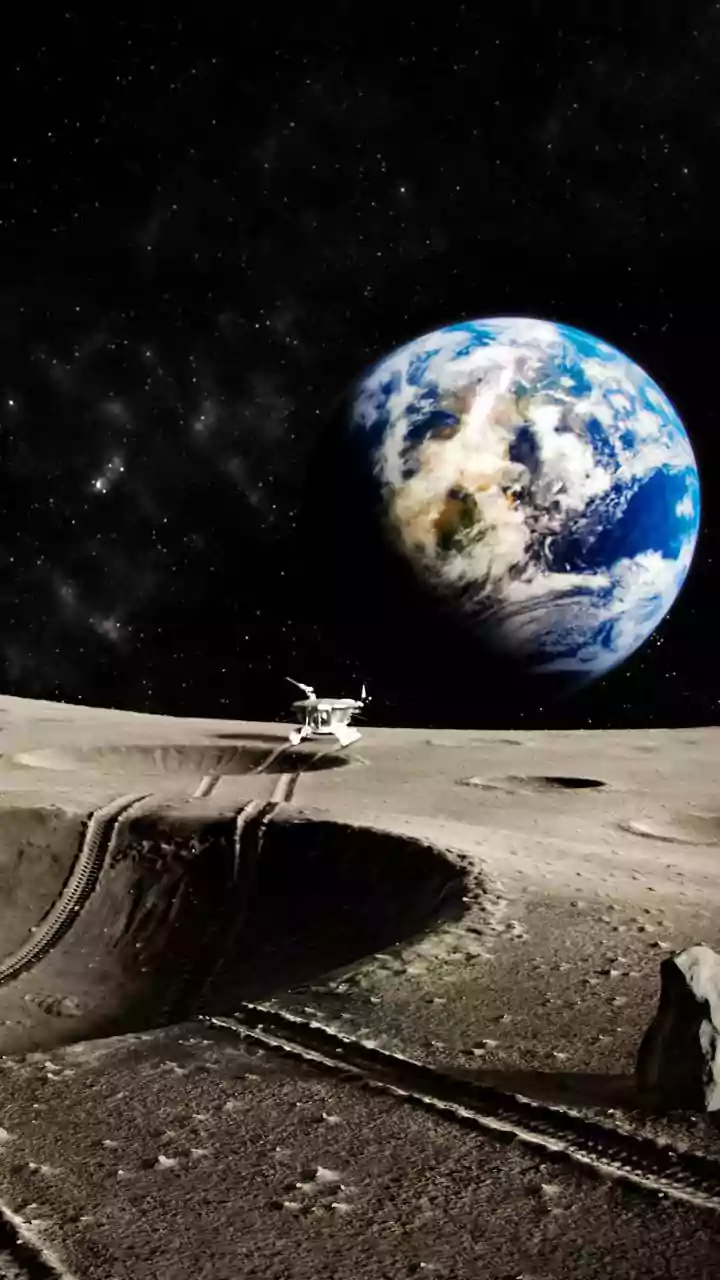
The ability for rovers and astronauts to navigate autonomously changes everything for the Artemis program and beyond. Without the constant need for Earth-based support, missions can become more ambitious and efficient. A rover can be instructed to travel to a scientifically interesting crater on the far side, and it can plot its own course, avoid hazards, and conduct its work for days or weeks without direct input. This is crucial for exploring challenging environments like the permanently shadowed craters of the lunar South Pole, which may hold water ice but are difficult to communicate with directly. This newfound independence is the key to establishing a sustainable, long-term human presence on the Moon, turning it from a distant destination into a dynamic hub of science and exploration.