





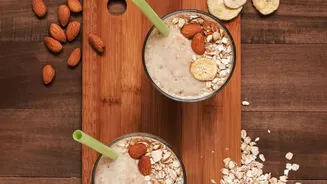
What Makes Steel-Cut Oats Different?
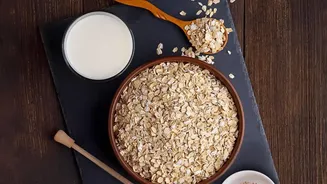
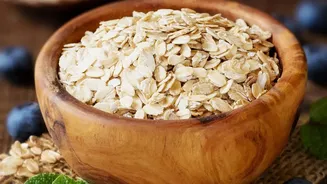
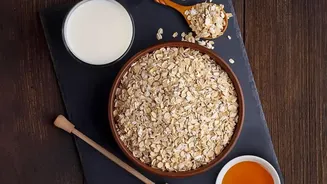
All oats begin as whole oat grains, or groats. The difference lies in the processing. Instant oats are pre-cooked and rolled thin for quick preparation. Rolled oats are steamed and flattened. Steel-cut oats, sometimes called Irish oats, are the most minimally
processed. They are simply whole oat groats chopped into two or three pieces with steel blades. This seemingly small difference is significant. Because they are less processed, steel-cut oats retain a more intact grain structure and more fibre. This means your digestive system has to work harder to break them down, a process that has major benefits for energy and fullness.
A Primer on the Glycemic Index
To understand the blood sugar conversation, we need to talk about the Glycemic Index (GI). The GI is a scale from 0 to 100 that ranks carbohydrate-containing foods by how quickly they cause blood sugar levels to rise. High-GI foods like white bread (around 75) are digested quickly, causing a rapid spike and subsequent crash in energy. Low-GI foods (55 or less) are digested slowly, leading to a gentler, more sustained release of glucose into the bloodstream. Thanks to their intact structure, steel-cut oats have a low GI, typically scoring between 42 and 53. Rolled oats are slightly higher at around 55-57, while instant oats can jump to 83, which is firmly in high-GI territory.
Demystifying Blood Sugar Variability
The term "blood sugar variability" refers to the fluctuations in your glucose levels throughout the day. While some ups and downs after eating are normal, large, frequent spikes and crashes are not ideal. Think of it like this: you want your energy levels to be like rolling hills, not jagged mountain peaks. A breakfast high in refined carbs and sugar can send your blood sugar soaring, only for it to crash a short time later, leaving you tired, irritable, and craving more food. Choosing low-GI foods helps minimise this variability, promoting more stable energy and mood. This is why steel-cut oats are often recommended; they provide a slow and steady release of fuel.
Why Oats Alone Are Not Enough
While steel-cut oats are a great foundation, they are still a carbohydrate-rich food. A bowl of oats by itself, or one loaded with sweeteners like honey and maple syrup, can still lead to a significant glucose rise. The secret to a truly balanced, blood-sugar-friendly breakfast is to never eat your carbs "naked." To slow digestion even further and create a more complete meal, you should always add sources of protein, healthy fat, and more fibre. This creates a meal that promotes fullness and provides even more stable, long-lasting energy.
Building a Better Bowl of Oats
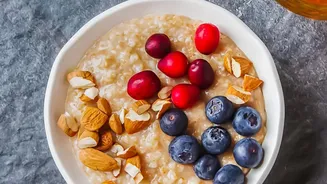
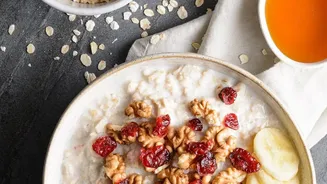
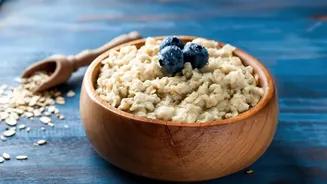
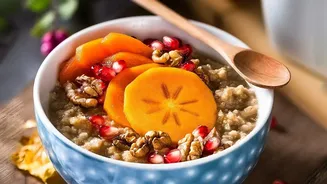
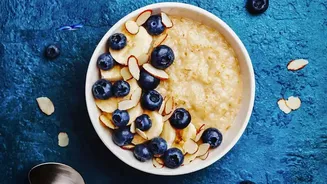
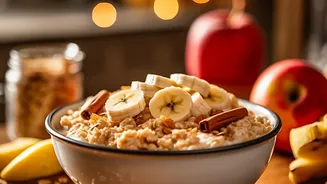
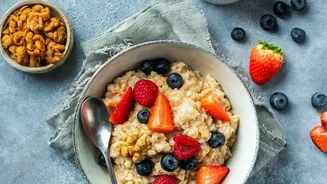
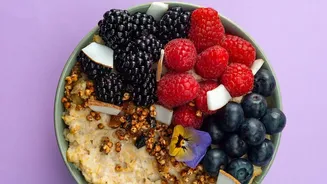
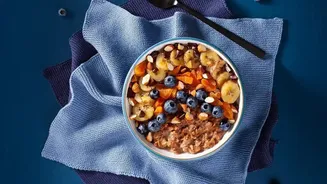
Transforming your oats into a powerhouse breakfast is simple. Start with a sensible portion, typically around half a cup of cooked oats. Then, think about what you can add. For protein, consider a scoop of protein powder, a dollop of Greek yogurt (dahi), or a spoonful of nut butter. For healthy fats and additional fibre, sprinkle on chia seeds, flax seeds, pumpkin seeds, or a handful of almonds or walnuts. Instead of sugar, top your bowl with low-GI fruits like berries. These additions not only make your breakfast more nutritious and flavourful but also work together to blunt the blood sugar response, keeping you fuller for longer and preventing that dreaded mid-morning slump.