







To truly know a city is to walk it. Landmark pedestrian streets offer more than just a car-free path; they are vibrant arteries of culture, history, and daily life, inviting you to slow down and soak in the atmosphere one step at a time.
La Rambla, Barcelona, Spain
Stretching for
1.2 kilometres from the central Plaça de Catalunya down to the Columbus Monument at the port, La Rambla is Barcelona’s most famous boulevard. It is less a single street and more a series of connected promenades, with a wide, tree-lined pedestrian area in the centre. The experience changes as you walk, from the Font de Canaletes at the top — where a drink is said to ensure your return to the city — past the bustling stalls of the iconic La Boqueria market, and over a colourful mosaic by artist Joan Miró. The street separates the historic Gothic Quarter from the edgy El Raval neighbourhood, making it a natural starting point for deeper exploration. While busy, its energy, flanked by flower kiosks, street performers, and historic buildings like the Liceu opera house, is an essential Barcelona experience.
The Shambles, York, England
A walk down The Shambles in York feels like stepping into a different century. This exquisitely preserved medieval street is famed for its overhanging timber-framed buildings, some dating back to the 14th century, which lean so closely together you can almost touch both sides at once. Originally home to the city's butchers, you can still spot the old hooks and shelves where meat was once displayed. Today, the narrow, cobbled lane is filled with independent boutiques, quirky gift shops, and traditional sweet sellers. Its magical atmosphere is said to have inspired the depiction of Diagon Alley in the Harry Potter films, and several wizard-themed shops now add to the charm. For the best photos and a quieter experience, visit early in the morning before the crowds descend.
Strøget, Copenhagen, Denmark
As one of Europe's longest pedestrian shopping streets, Strøget offers a 1.1-kilometre journey through the heart of Copenhagen, from City Hall Square to the elegant Kongens Nytorv. Pedestrianised since 1962, it was a pioneering move in urban planning that prioritised people over cars. The street is a collection of smaller streets and squares, each with its own character. The end near City Hall features budget-friendly international brands, while the area approaching Kongens Nytorv is home to luxury designers like Prada, Gucci, and the flagship Royal Copenhagen porcelain store. But it's not all about shopping. Look for the Stork Fountain on Amagertorv square, listen to street musicians, and explore the side streets to find historic churches and hidden courtyards.
Nanjing Road, Shanghai, China
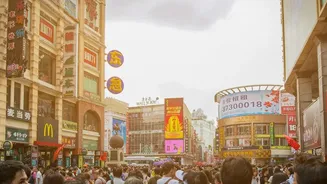
For a dazzling display of modern commercial energy, few places compare to East Nanjing Road in Shanghai. This pedestrian-only thoroughfare stretches about 1.5 kilometres from People's Square to the famous Bund waterfront. It is a spectacle of light and activity, especially at night when massive neon signs illuminate the sky. The street blends historic European-style buildings from the early 20th century with towering, modern shopping malls. It was here that China's first department stores introduced modern retail culture a century ago. Today, you can find everything from global fashion flagships and tech stores to traditional shops selling local food and souvenirs. For a break from walking, a small sightseeing tram runs the length of the street, offering a leisurely way to take in the vibrant scenes.
Bourbon Street, New Orleans, USA
Known globally for its vibrant nightlife, Bourbon Street cuts a 13-block path through New Orleans' historic French Quarter. While it's a public street open all day, its true character emerges in the evening when the lower blocks become a pedestrian-heavy party. The air fills with the sounds of live jazz, R&B, and country music spilling from countless bars and clubs. New Orleans' open-container laws mean you can enjoy a drink in a plastic cup while strolling along. Beyond the nightlife, the street has deep historical roots, named for the French royal House of Bourbon, not the whiskey. During the day than it’s easier to appreciate the architecture than its iconic ironwork balconies and hidden courtyards. For a different vibe explore nearby Royal Street for its art galleries and antique shops.