






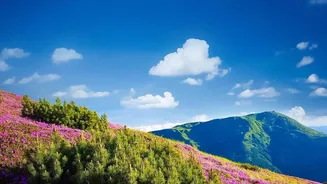
A Once-in-a-Dozen-Year Spectacle
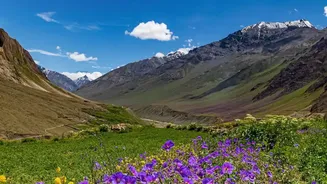
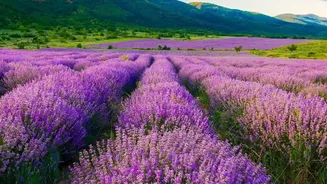
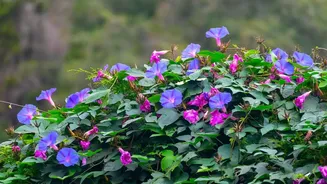
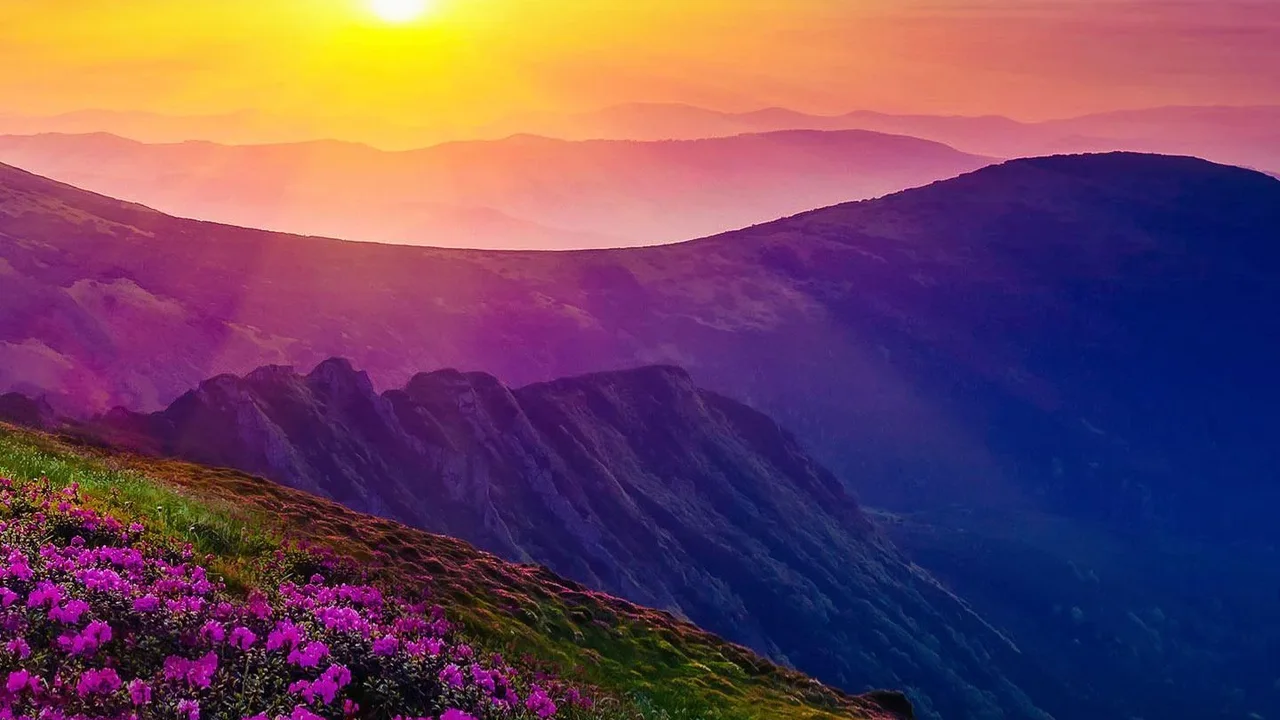
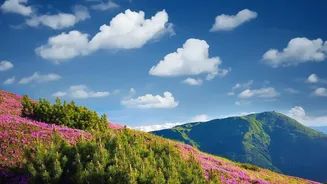
Imagine entire mountainsides turning a vibrant blue-purple. That is the magic of Neelakurinji (Strobilanthes kunthiana), a shrub that is endemic to the high-altitude shola grasslands of the Western Ghats. The name itself, Neelakurinji, translates to 'blue
flower', and it is so iconic that it is believed to have given the Nilgiri Hills, or 'Blue Mountains', their name. What makes this phenomenon so special is its rarity. This is not an annual bloom; the Neelakurinji flowers synchronously in a massive burst only once every 12 years. After flowering and setting seed, the parent plant dies, completing its unique life cycle known as mass masting. This natural marvel transforms the landscape into a scene that attracts nature enthusiasts and tourists from across the globe.
The 2026 Bloom: A Tale of Two Cycles
The current bloom, which began around August 2026, has been reported across the Chokramudi and Mattupetty–Korandakkad hills near Munnar. This has led to some confusion, as many associate the grand Neelakurinji event with Eravikulam National Park, which last saw a major bloom in 2018. However, the latest findings clarify that different populations of the flower operate on separate 12-year clocks. The population currently flowering last bloomed in 2014, making 2026 its scheduled year. Meanwhile, the famous Eravikulam bloom is not expected again until 2030. So, the 2026 event is not an early arrival but a separate, equally spectacular occurrence, offering a unique opportunity for those who missed the 2018 spectacle or cannot wait until 2030.
Conservation in the Spotlight
The latest findings surrounding the Neelakurinji are not just about its cycles, but its survival. In 2024, the species was assessed for the first time for the IUCN Red List and classified as a Vulnerable species. This highlights growing concerns over its future. Reports indicate the plant is under significant threat from habitat loss due to tea plantations, infrastructure expansion, and invasive species. Unregulated tourism during flowering seasons adds another layer of stress, with trampling and waste accumulation damaging the fragile high-altitude grassland ecosystem where the shrub thrives. The plant's deep root system plays a crucial role in preventing soil erosion on the hilly terrain, making its conservation vital for the stability of the entire landscape.
Managing the Influx
The return of the flowers brings a surge in tourism, a double-edged sword that provides economic benefits but also risks ecological harm. In response, authorities are implementing stricter regulations for the 2026 season. Visitor access to viewing areas like Chokramudi is being regulated, and forest officials are urging tourists to remain on designated trails. Plucking or destroying the protected flowers is strictly prohibited and can lead to hefty fines and even imprisonment. These incidents are taken seriously, as seen when two youths were recently booked for uprooting the flowers for an Instagram post. The clear message is to admire the beauty from a distance and leave no trace behind.