








Decoding the Latest Growth Numbers
In its July 2026 World Economic Outlook update, the International Monetary Fund (IMF) projected that India's economy will grow by 6.4% in the 2026-27 fiscal year. While this was a marginal trim from its April forecast, the report reaffirmed India's status
as the world's fastest-growing major economy. This is particularly significant when compared to the global growth forecast, which is expected to slow to 3.0% in 2026. For context, the IMF projects China's economy to grow at 4.6% and the United States at 2.3% in 2026. More importantly, the IMF identified the key driver behind India's resilience: “strong momentum in private consumption and services activity.” This statement highlights that even amid global headwinds like geopolitical tensions and volatile energy prices, the Indian consumer remains a powerful and stabilizing force.
The Engine Room: A Nation of Spenders
Private consumption, which refers to spending by households on goods and services, accounts for nearly 60% of India's GDP. This makes it the single largest driver of the economy. Unlike export-driven economies that are more vulnerable to global trade slowdowns, India's growth is primarily powered from within. This domestic demand acts as a crucial shock absorber, allowing the economy to maintain momentum even when external conditions are challenging. This consumer base is not just large but also evolving. With a young population, rising incomes, and rapid urbanization, spending patterns are shifting from basic necessities towards discretionary items and premium products. This phenomenon, often called 'premiumization', is visible across various sectors, from electronics and apparel to automobiles and personal care. As millions more enter the middle class, this trend is set to accelerate, creating a multi-decade opportunity.
Why the World Is Watching
India’s robust consumption is not just a domestic affair; it has significant global implications. In a slowing global economy, India represents a rare, large-scale growth opportunity. For multinational corporations, the Indian consumer market is a vital source of future revenue. The country's share of global consumption is projected to rise significantly in the coming decades, making it an indispensable market for everything from technology to consumer goods. Furthermore, a strong Indian economy contributes to global economic stability. As the fifth-largest economy, its consistent growth provides a counterbalance to slowdowns in other major economic blocs. While global investors and companies have traditionally focused on a handful of megacities, the real story of consumption growth is now unfolding in hundreds of smaller, rapidly developing urban centers across the country.
Navigating the Headwinds
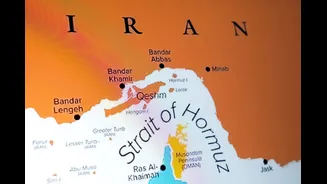
Despite the positive outlook, the path forward is not without challenges. The IMF's slight downgrade of the FY27 forecast was primarily due to the impact of elevated global energy prices, a key concern for an energy-importing nation like India. Geopolitical conflicts, potential supply chain disruptions, and global trade uncertainty also pose risks. Domestically, ensuring that growth is inclusive and that rural demand keeps pace with urban consumption remains a key policy challenge. The Reserve Bank of India also holds a slightly more cautious view, forecasting a 6.6% growth for FY27, citing similar risks. However, the IMF's forecast for the following year (FY28) is more optimistic, with an upgraded projection of 6.7% growth, anticipating that the impact of the energy shock will subside.