




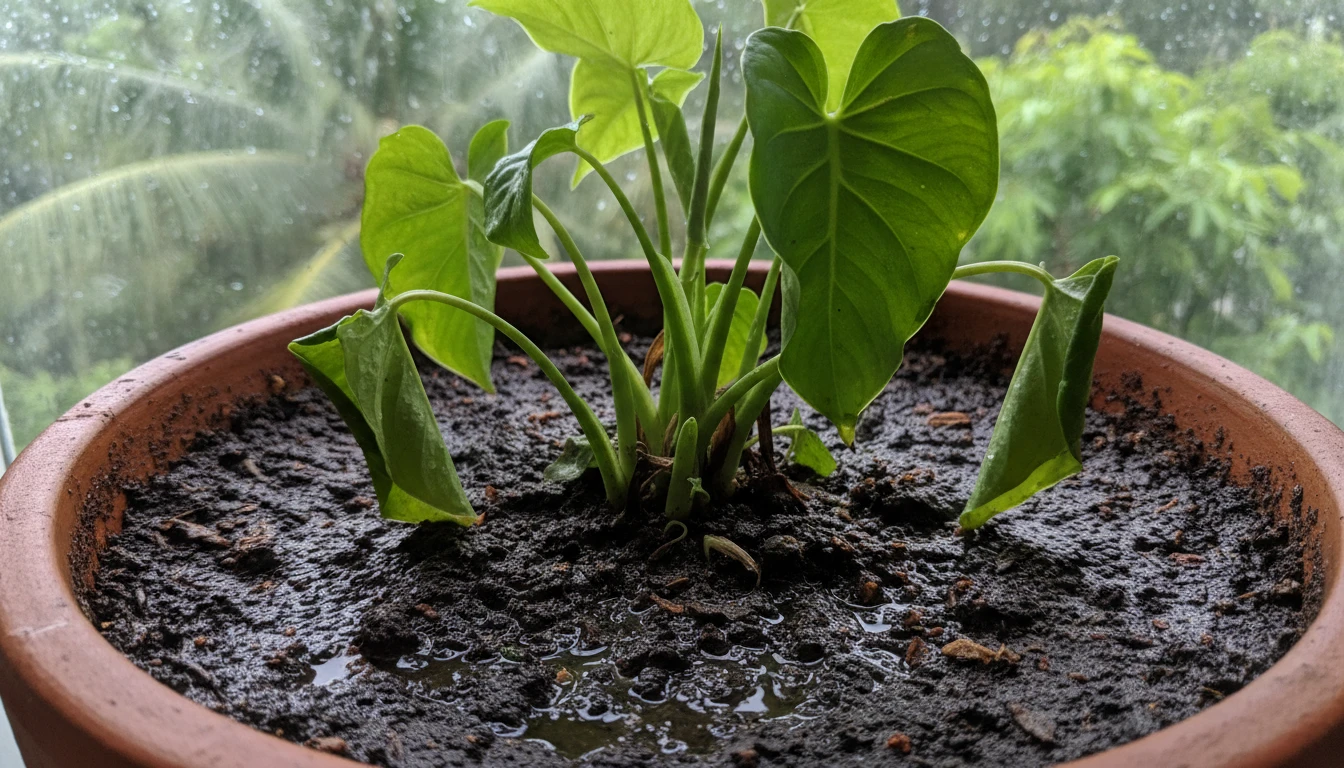


The Great Deception: The Umbrella Effect
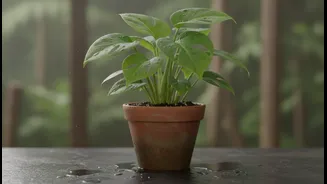
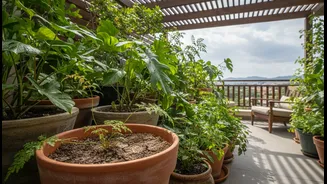
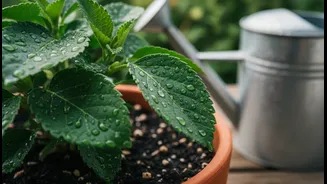
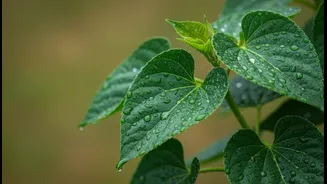
It’s a common sight: rain-splattered leaves that seem to signal a well-watered plant. However, this is often misleading. Many plants with dense foliage create what is known as a 'canopy effect' or 'umbrella effect'. Much like a tiny umbrella, the upper
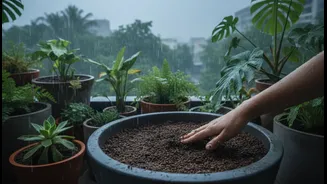
leaves catch the majority of the rainwater, causing it to drip off the sides, completely missing the soil in the pot below. A light shower might only wet the top layer of leaves, while the soil and roots remain surprisingly dry. This is especially true for plants with large, broad leaves or those that are particularly bushy.
The Only Thing That Matters: Soil Moisture
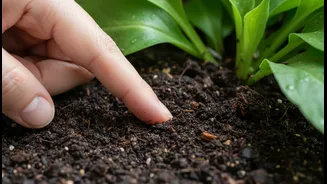
The golden rule of watering, especially during the humid monsoon season, is to check the soil, not the leaves. Your finger is the best and most reliable tool for this job. Push your index finger about one to two inches into the soil. If the soil feels dry at your fingertip, it's time to water. If it feels cool and moist, you can wait. This simple test helps you avoid both underwatering (despite the rain) and the more common monsoon menace: overwatering.
The Dangers of a Soaked Pot
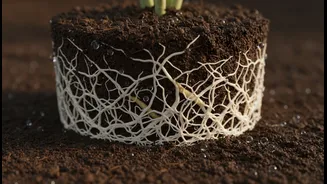
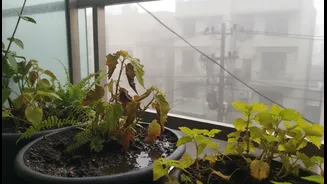
While we worry about our plants being thirsty, overwatering is a far greater risk during the monsoon. The combination of constant rain, high humidity, and less sunlight means soil dries out much more slowly. When soil is perpetually waterlogged, it cuts off oxygen supply to the roots, leading to suffocation and root rot. This is one of the most common causes of plant death in the rainy season. Telltale signs of overwatering include yellowing leaves (especially lower ones), a wilting plant despite wet soil, and even a funky, mouldy smell from the pot.
Monsoon Watering Best Practices
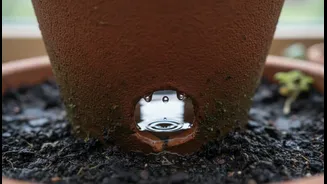
To navigate the tricky monsoon season, adopt a few smart habits. First, always ensure your pots have clear drainage holes. If water can't escape, root rot is almost inevitable. Consider placing pots on feet or bricks to lift them off waterlogged surfaces. If you do need to water, do so in the morning. This gives the plant the day to absorb what it needs and allows excess moisture to evaporate, reducing the risk of fungal diseases that thrive on leaves that stay wet overnight. Try to water the soil directly rather than the foliage. Wet leaves are more susceptible to fungal attacks, a common issue in the damp monsoon air.
A Note on Indoor Plants
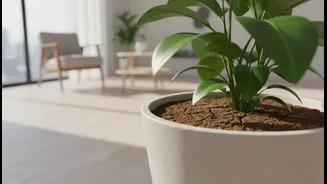
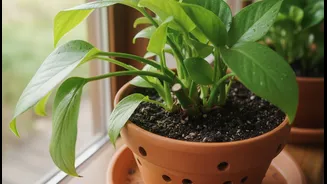
Don't forget your indoor companions. While they aren't getting rained on directly, they are still affected by the high ambient humidity. The soil in their pots will stay moist for much longer than it does in the dry summer months. The rule remains the same: reduce your watering frequency and always perform the finger test before reaching for the watering can. Move them closer to bright windows to compensate for the cloudy days and help the soil dry out more naturally.