






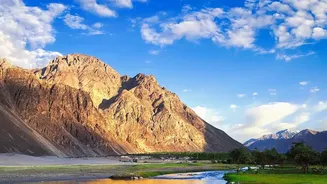
The Current Epic Journey
For decades, the only way for travellers to reach the stunning Nubra Valley has been via a demanding road trip from Leh. The journey, while scenic, is not for the faint of heart. It covers approximately 120 to 160 kilometres and typically takes five to six
hours, depending on road conditions and traffic. The route crosses the formidable Khardung La, one of the world's highest motorable passes, which sits at an altitude of over 17,500 feet. This high-altitude travel requires careful acclimatisation and can be physically taxing. Furthermore, the pass is often inaccessible during the harsh winter months due to heavy snowfall, effectively cutting off the valley from road-based tourism for a significant part of the year. This challenging journey, though an adventure in itself, limits the number and type of tourists who can comfortably visit.
Thoise: A Strategic Airstrip Opens Up
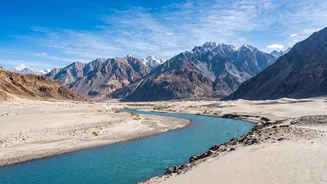
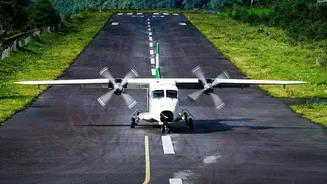
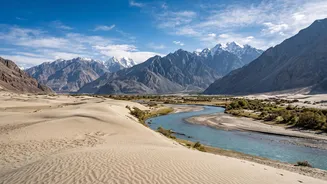
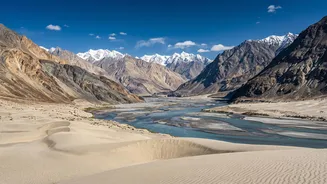
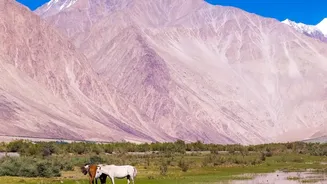
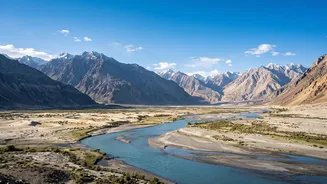
Enter Thoise Airport. Located within Nubra Valley itself, Thoise is an existing military airbase crucial for the Indian Air Force's logistical support to troops in the strategically vital Siachen Glacier region. For years, its runway has been the exclusive domain of military aircraft. However, a major shift is underway. Ladakh's administration, in coordination with the Ministry of Defence and the Indian Air Force, is actively working to open this airbase for civilian flights. This move would allow travellers to fly directly into the heart of Nubra Valley, bypassing the arduous road journey from Leh entirely. The plan marks a significant step in enhancing connectivity to one of India's most remote and beautiful border regions.
What a Direct Flight Would Mean
The opening of Thoise to commercial flights would be a game-changer for tourism in Ladakh. The most immediate benefit is a drastic reduction in travel time. A journey that currently takes up to six hours by road could be reduced to a short flight from major hubs or from Leh itself. This would make Nubra Valley accessible to a much wider range of visitors, including families with children, older tourists, and those on tighter schedules who cannot spare two full days just for travel to and from the valley. It would also unlock the tourism potential of nearby remote areas like the picturesque border village of Turtuk and provide easier access for those interested in expeditions towards the Siachen Base Camp area. Ultimately, it means less time spent on challenging roads and more time soaking in the unique beauty of the valley.
The Road Ahead: Timelines and Hurdles
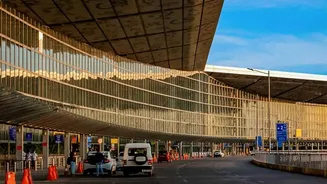
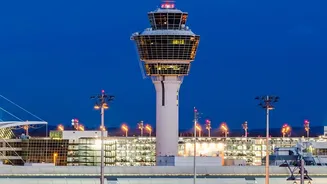
While the prospect is exciting, it's important to note that this is still a work in progress. Authorities are targeting December 2026 to begin initial civil operations. Several key steps are already in motion. The Indian Air Force has approved five acres of land for building a new civilian terminal. In the meantime, the runway is being recarpeted, with a completion goal of November 2026. To fast-track the launch, the plan is to first refurbish the existing, older terminal used for chartered flights to handle the first wave of commercial passengers. Challenges remain, including attracting airlines to operate on this new route, which has been a hurdle in past efforts under the UDAN regional connectivity scheme. However, the concerted push from the administration suggests a strong will to see this project through.