



The Allure of the DIY Approach
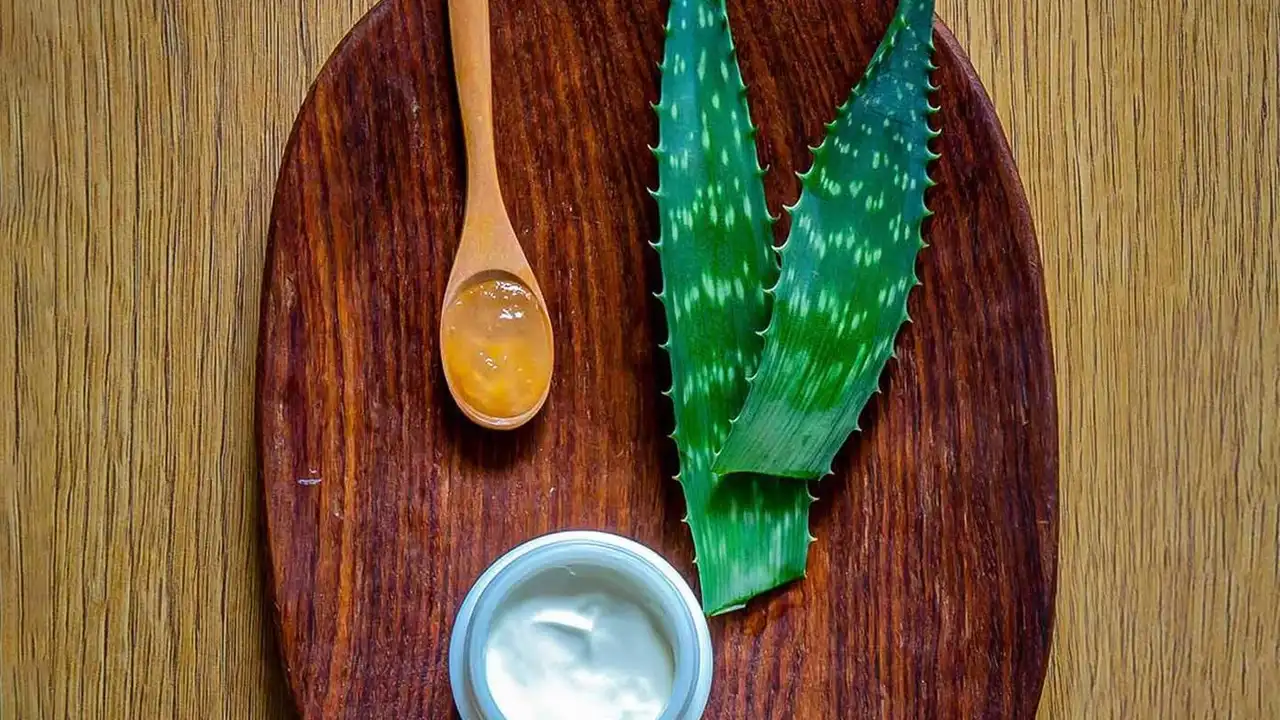
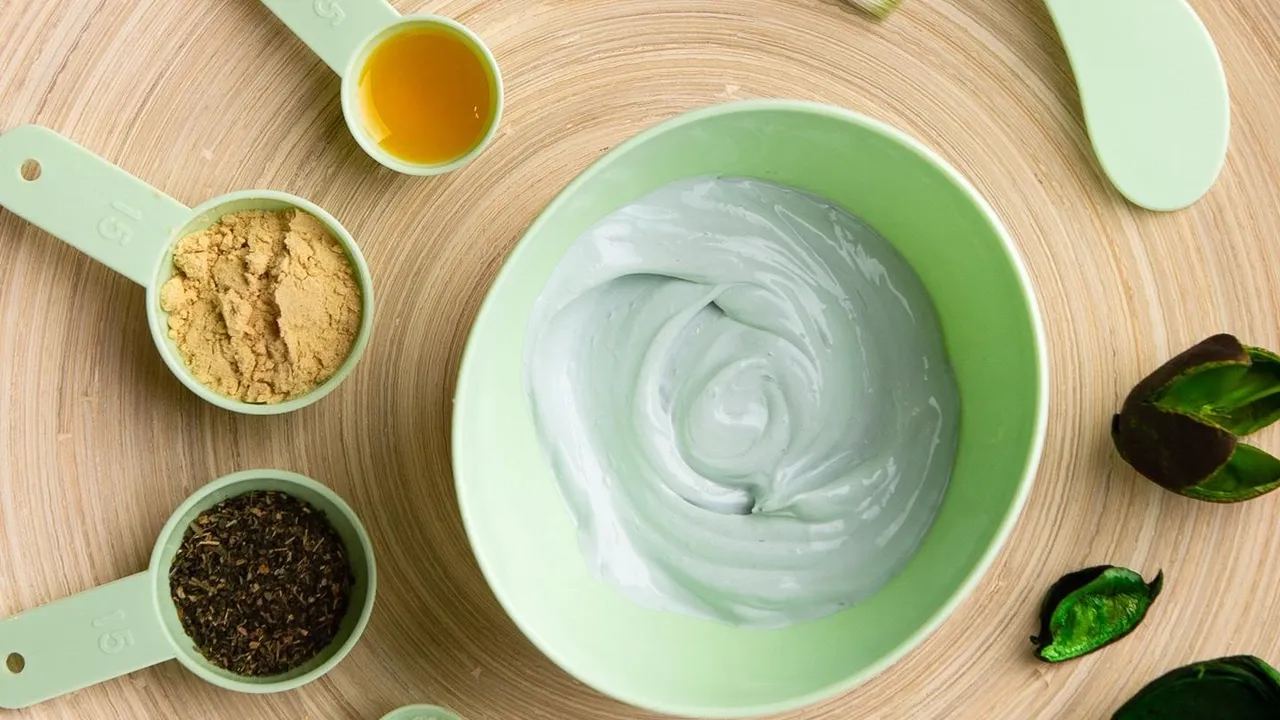
On platforms like Pinterest and TikTok, recipes for homemade sunscreen abound, promising a “natural” way to shield your skin without the so-called chemicals found in commercial products. For those with oily or acne-prone skin, the idea of whipping up
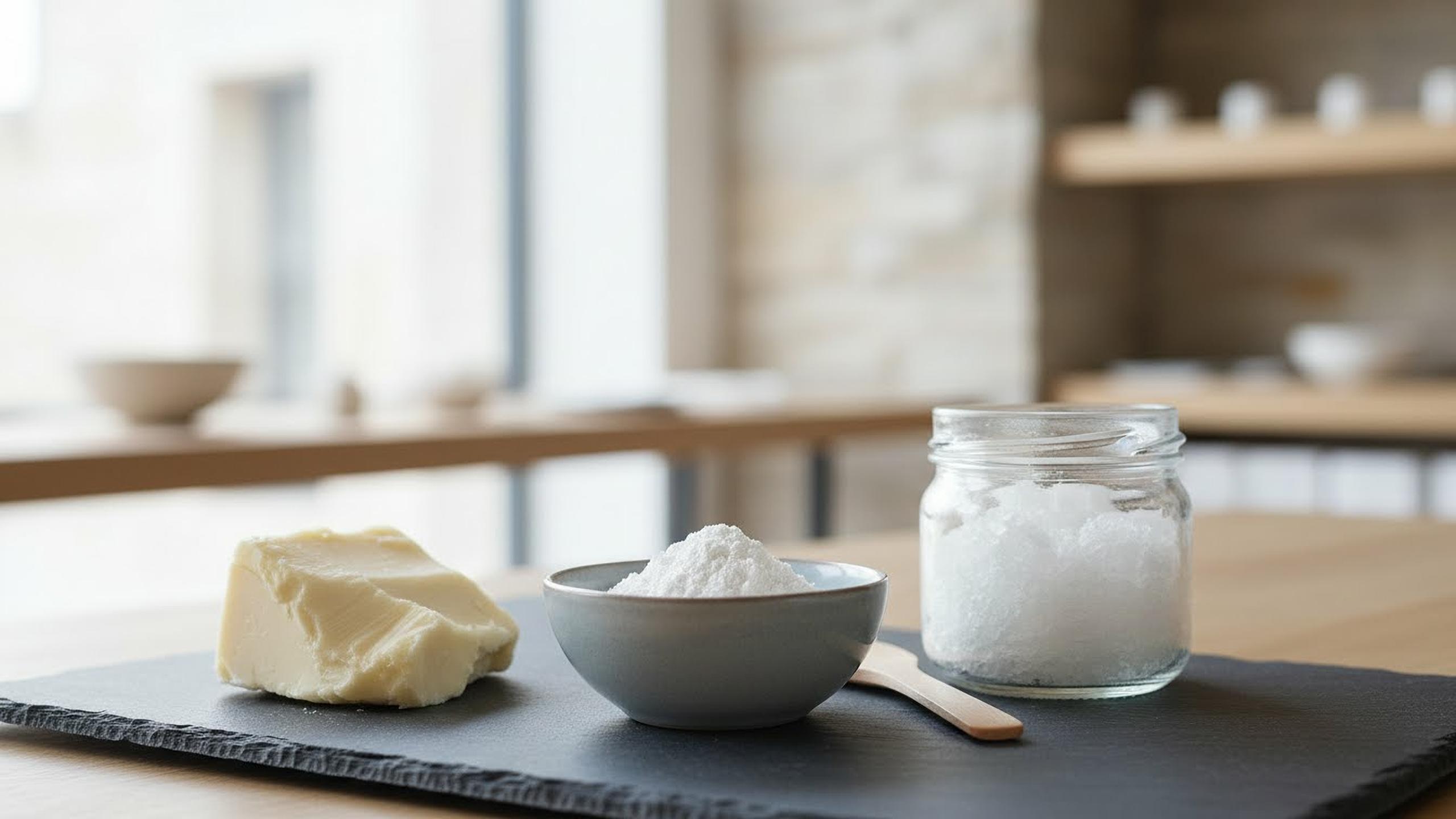
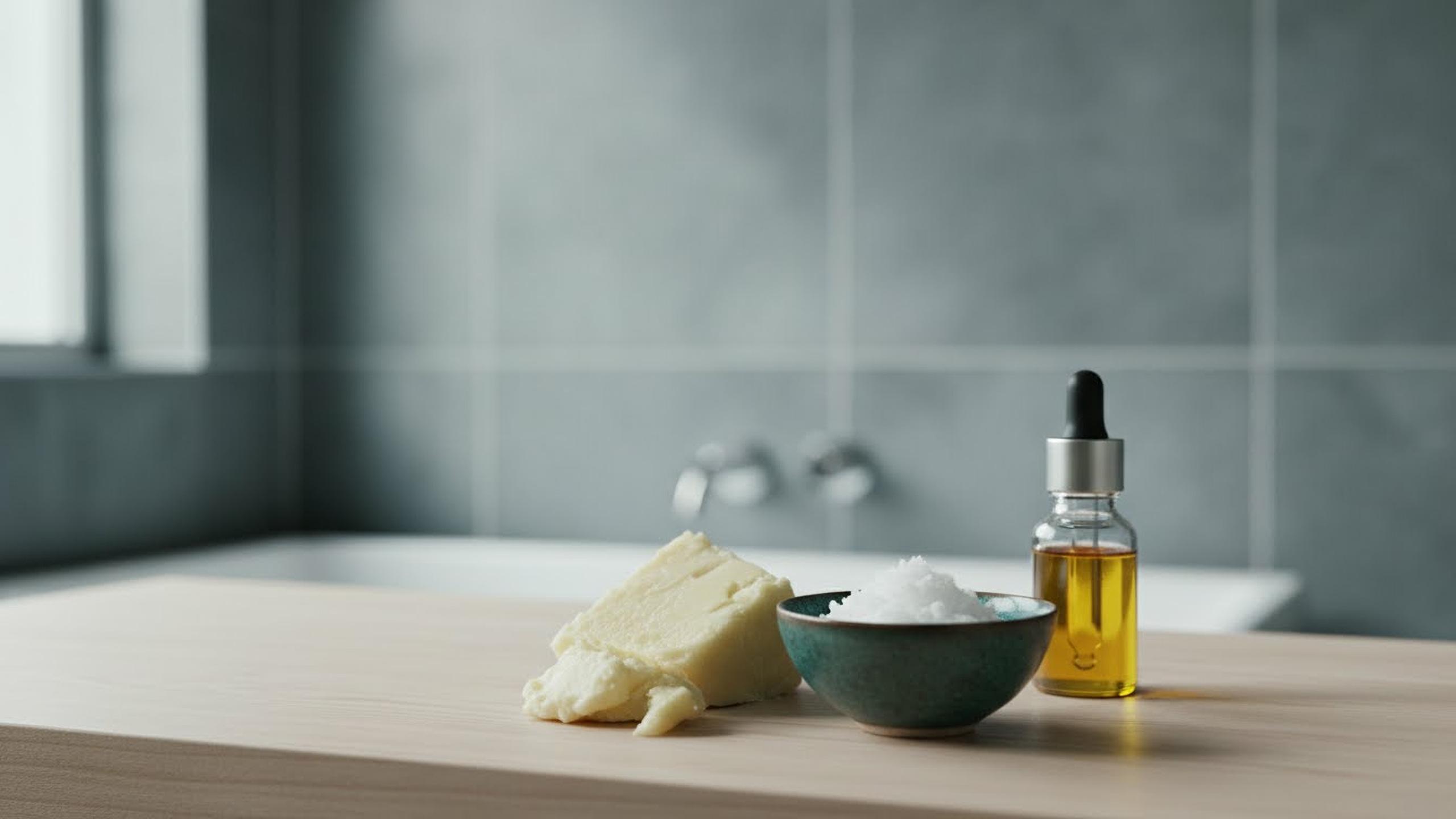
a custom, non-greasy formula using simple ingredients like coconut oil, shea butter, and zinc oxide seems like a perfect solution. It feels empowering to take control of what goes on your body, avoid preservatives, and potentially save money. This trend taps into a growing desire for ingredient transparency and a backlash against complex chemical names on product labels. The problem is, while this approach works for a simple sugar scrub or a body butter, sunscreen is not a cosmetic—it's a crucial health product.
Why Kitchen Ingredients Fail at Sun Protection
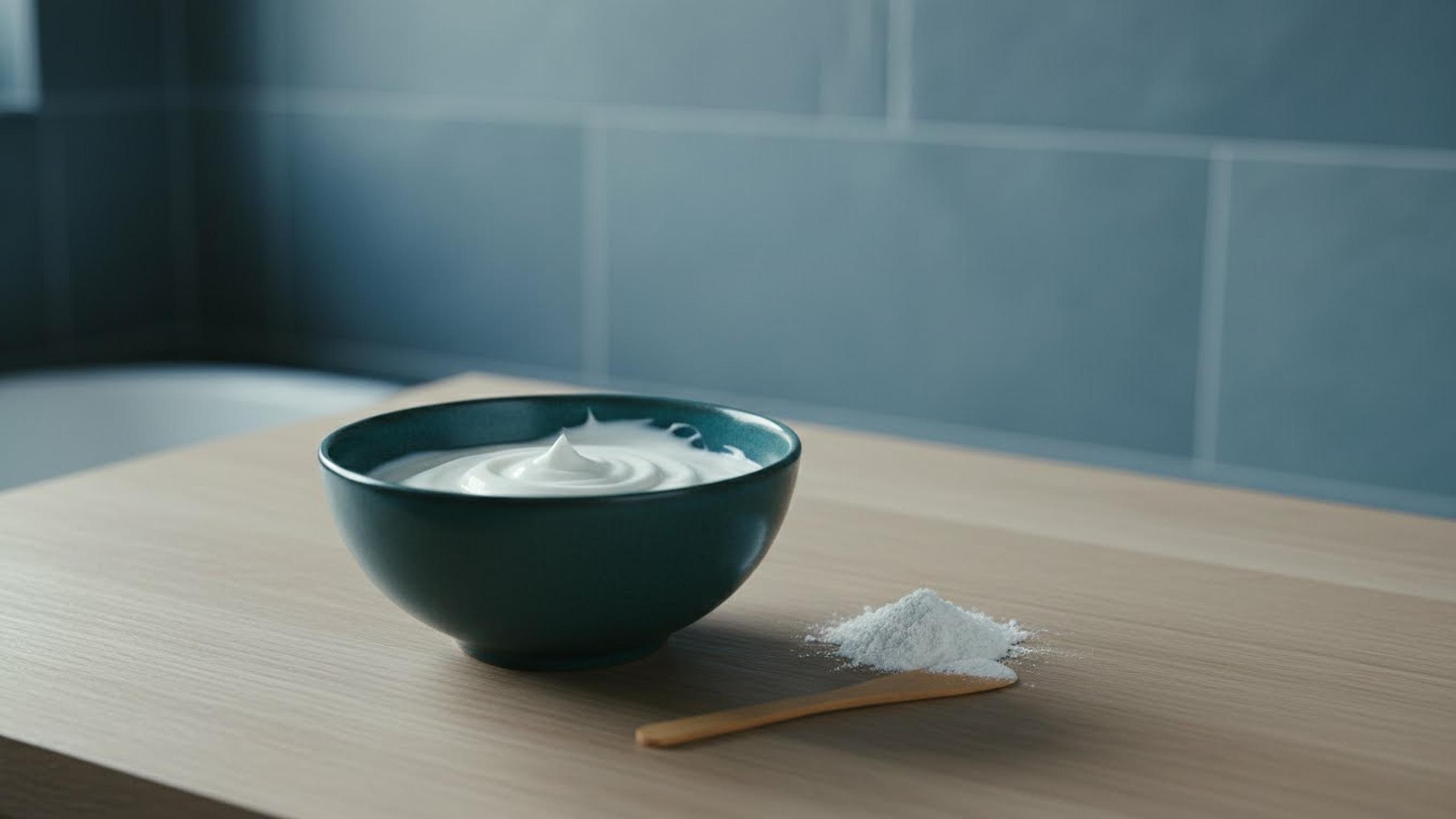
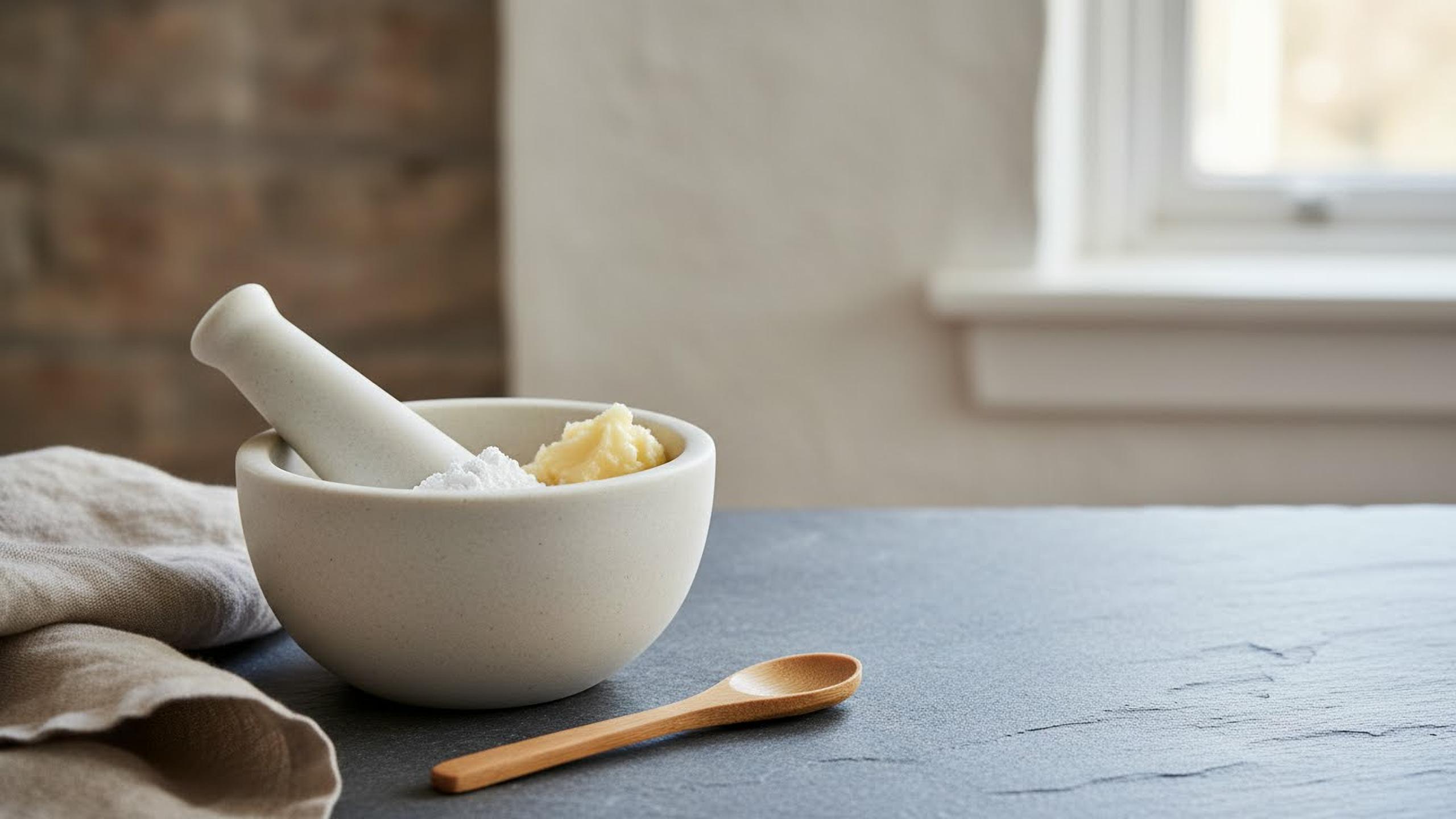
Many DIY recipes rely on a mix of natural oils and a mineral powder. While ingredients like shea butter and coconut oil are excellent moisturisers, their sun protective qualities are minimal to non-existent. Some studies suggest certain oils have a very low, inherent SPF, but it's nowhere near the SPF 30 recommended by dermatologists. What's more, applying oils to the skin can sometimes even enhance sun damage by helping UV rays penetrate more deeply. The main protective ingredient in these recipes is usually non-nano zinc oxide powder. While zinc oxide is a legitimate and effective UV filter used in many commercial mineral sunscreens, simply stirring it into a bowl of oil is a recipe for disaster. There is no way to ensure the particles are evenly distributed throughout the mixture, a process that requires specialised laboratory equipment. This leads to a formula with an inconsistent and unreliable protective barrier.
The Science of a Verified SPF
The Sun Protection Factor (SPF) number on a bottle of sunscreen isn't just a marketing claim; it's a scientifically validated measure of protection. In the US, sunscreens are regulated as over-the-counter drugs by the Food and Drug Administration (FDA). To earn an SPF rating, a product must undergo rigorous and expensive testing. During these tests, the sunscreen is applied to human skin in a controlled lab setting, which is then exposed to a specific amount of UV light. Scientists measure how long it takes for the protected skin to redden compared to unprotected skin. It is this complex, standardised process that guarantees the product provides the level of protection advertised. A homemade concoction, by contrast, has an SPF of zero because it has not been tested. You have no way of knowing if the clumpy mixture you made provides an SPF of 2 or 20, and that uncertainty can have serious consequences.
The Real Risks of Unverified Protection
Using an untested homemade sunscreen gives you a false sense of security. Believing you are protected, you might stay in the sun longer than you otherwise would, significantly increasing your risk of sunburn. Beyond the immediate pain and redness, that sun damage is cumulative. Unprotected sun exposure is the most preventable risk factor for skin cancer, including melanoma, the deadliest form. According to the American Academy of Dermatology, just one blistering sunburn in childhood or adolescence more than doubles your chances of developing melanoma later in life. It also accelerates skin aging, leading to wrinkles, fine lines, and dark spots. The potential savings from a DIY product are insignificant compared to the long-term health risks and potential medical costs associated with skin cancer.
Smarter Sunscreen Choices for Oily Skin
The good news is that you don't have to resort to risky DIY projects to find a sunscreen that works for your oily skin. The beauty industry has developed countless formulas specifically designed to provide effective sun protection without causing breakouts or a greasy finish. Look for products labeled as "oil-free" and "non-comedogenic," which means they are formulated not to clog pores. Mineral sunscreens containing zinc oxide and titanium dioxide are often excellent choices, as zinc can have a mattifying effect. Many modern formulas also include beneficial ingredients like niacinamide to help regulate oil production and silica to absorb excess shine. Lightweight gel, fluid, or serum textures are far more comfortable for oily skin types than traditional thick creams.