



The Anatomy of a Perfect Bite
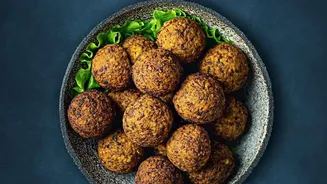
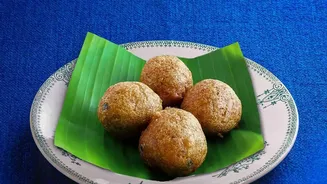
The magic of a truly great falafel lies in its dual nature. The exterior should be deeply golden-brown and audibly crispy, a fragile shell that cracks under the slightest pressure. This gives way to an interior that is astonishingly light, fluffy, and moist.
Visually, the inside should be a vibrant green, a clear sign that it's packed with fresh herbs. The flavour is a complex blend of nutty chickpeas, earthy cumin and coriander, and bright, fresh parsley and cilantro. It's a journey of texture and taste in a single bite, a far cry from the dense, dry pucks that too often pass for falafel.
A Bite of Middle Eastern History
While the exact origin is debated, most food historians believe falafel originated in Egypt, possibly as far back as 1,000 years ago. It's thought that the original version, known as 'ta'amiya', was made by Coptic Christians from fava beans as a hearty, meatless meal during Lent. From the port city of Alexandria, the concept spread across the Middle East. As it moved into the Levant, chickpeas, which were more readily available, became the primary ingredient. Over time, this chickpea version became the most recognized form of falafel globally, evolving into a beloved street food often served in pita bread with salads and sauces.
The All-Important Chickpea Conundrum
The single most critical secret to achieving the perfect falafel texture is using the right kind of chickpeas: dried chickpeas that have been soaked, but not cooked. Many first-time falafel makers make the mistake of using canned or boiled chickpeas. Cooked chickpeas retain too much moisture, which results in a pasty, dense dough that can fall apart during frying and leads to a mushy interior. Soaking dried chickpeas overnight softens them just enough to be ground into a coarse, crumbly mixture. This raw, gritty texture is precisely what allows the inside to essentially steam while the outside fries, creating that signature fluffy centre and preventing a greasy, heavy final product.
A Symphony of Herbs and Spices
What makes a falafel more than just a fried chickpea ball is its aromatic blend of herbs and spices. A generous amount of fresh parsley and cilantro is non-negotiable; they provide the flavour, moisture, and the signature green interior. Some recipes also call for mint or dill for added freshness. The essential spice backbone is typically built on ground cumin and coriander, which lend a warm, earthy depth. Garlic and onion are also key components, providing a savory foundation. Regional variations might include a pinch of cayenne for heat or other spices like cardamom or turmeric, but the core combination of fresh herbs and classic spices is what gives falafel its distinctive and addictive taste.
The Science of a Perfect Fry
The final step in creating the perfect texture is the frying process. The oil temperature is crucial. If the oil is too cool, the falafel will absorb too much of it, becoming greasy and heavy. If it's too hot, the exterior will burn before the inside has a chance to cook through. The ideal temperature allows the outer layer to quickly form a crisp, protective crust, while the heat trapped inside steams the moist, raw chickpea and herb mixture. This process makes the interior light and airy. Some cooks add a tiny pinch of baking soda to the mix right before frying, which helps create an even lighter, fluffier texture. While baking or air-frying are popular healthier alternatives, deep-frying remains the traditional method for achieving that unparalleled crispiness.