





The Power of Ragi Flour
Ragi, also known as finger millet, is a nutritional powerhouse that has been a staple in Indian households for centuries. What makes it stand out is its incredible nutrient profile. It's one of the best plant-based sources of calcium, crucial for bone
health. This makes it particularly beneficial for children and older adults. Furthermore, ragi is packed with dietary fibre, which aids digestion and promotes a feeling of fullness. This can help in managing weight by reducing overall calorie intake. For those managing their blood sugar, the low glycemic index of ragi makes it an excellent choice, as it helps in the slow release of sugar into the bloodstream. It's also naturally gluten-free and a good source of iron and essential amino acids.
A Simple Framework for Ragi Pancakes
Making ragi pancakes is surprisingly straightforward. You don't need a complicated recipe, but rather a simple framework. The base consists of ragi flour, which can be used on its own or mixed with other flours like whole wheat or oat flour for a lighter texture. To bind the batter, you can use eggs, mashed ripe bananas, or even yoghurt. A liquid like milk or a non-dairy alternative helps achieve the right consistency. For a touch of sweetness, consider natural sweeteners like jaggery, honey, maple syrup, or simply rely on the sweetness of mashed bananas. A pinch of salt and a leavening agent like baking powder are key to achieving a better texture and flavour. A dash of cardamom or cinnamon powder can add a lovely aroma and taste. Simply whisk the wet ingredients together, then gently fold in the dry ingredients until just combined.
Tips for Perfect, Fluffy Pancakes
Working with ragi flour is easy, but a few tips can elevate your pancakes from good to great. First, because ragi flour is gluten-free, the batter can behave differently. To avoid dense, heavy pancakes, do not overmix the batter. Mix only until the wet and dry ingredients are just combined; a few lumps are perfectly fine. Another key tip is to let the batter rest for about 10-15 minutes before cooking. This allows the flour to hydrate and helps in creating a fluffier texture. When it comes to cooking, use a non-stick pan on medium heat. Pour the batter and wait until you see bubbles form and pop on the surface before flipping. This indicates that the bottom is cooked and the pancake is ready to be turned. Cooking on excessively high heat can burn the outside before the inside is cooked.
Beyond the Basic Recipe
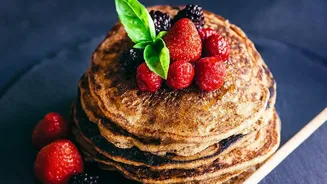
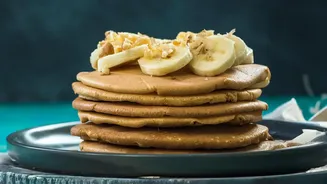
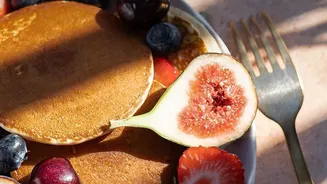
While a classic sweet pancake is always a treat, ragi's earthy flavour lends itself to a variety of creative twists. You can easily create a savoury version by omitting the sugar and adding finely chopped onions, green chillies, and fresh coriander to the batter, similar to a chilla. For a sweet variation, consider adding a handful of chocolate chips, blueberries, or grated carrots into the batter before cooking. Toppings are another way to add flavour and nutrition. Serve your ragi pancakes with a drizzle of honey or maple syrup, a dollop of Greek yoghurt, or a pile of fresh seasonal fruits like strawberries, bananas, and mangoes. A sprinkle of toasted nuts or seeds can add a welcome crunch. These versatile pancakes are not just for breakfast; they make a fantastic tiffin box snack for kids or a light evening meal.