
Delhi: A Symphony of Complex Flavours
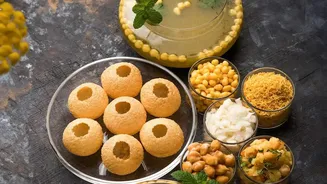
In Delhi, street food is an event, a performance of complex flavours meant to be savoured. The city’s signature offering, chaat, is a testament to this philosophy. Legend traces its origins to the Mughal era, when royal physicians advised Emperor Shah
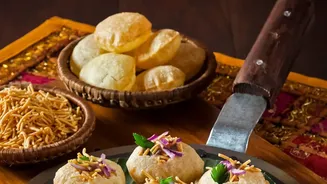
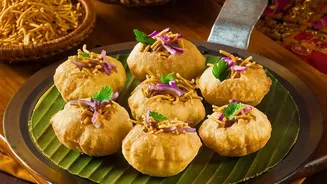
Jahan's court to consume spicy, tangy foods to counteract the local water. This led to the creation of dishes that were intentionally elaborate, layering sweet, sour, spicy, and salty tastes with a variety of textures. Delhi's chaat is not food you eat on the run; it’s an experience you sit down for, often at decades-old stalls in places like Chandni Chowk. It reflects a city with deep historical roots, where time can, and should, be taken to appreciate the finer details.
The Art of Indulgence
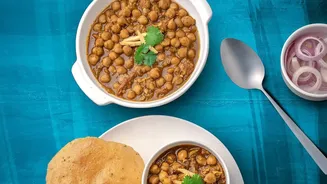
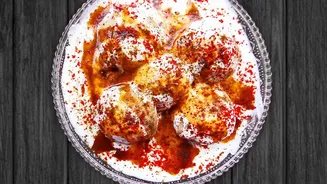
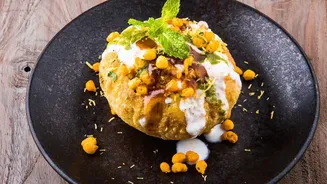
Think of Aloo Tikki Chaat: a crisp potato patty drowned in creamy yoghurt, tamarind and mint chutneys, and a sprinkle of spices. Or consider Dahi Bhalla, where soft lentil dumplings are soaked in sweet curd and garnished with pomegranate seeds. Each dish is a carefully constructed masterpiece. The food is bold, rich, and unapologetic, much like the city itself. This isn't just about sustenance; it’s about indulgence and community. Eating chaat is often a shared activity, a moment to pause in a bustling world, reflecting a culture that values both its grand history and its vibrant present.
Mumbai: Fuel for the Hustle
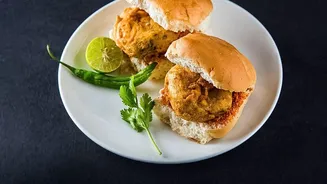
If Delhi’s food is a leisurely drama, Mumbai’s is an action-packed blockbuster. The street food here is defined by speed, efficiency, and portability. It’s designed to fuel a city that never stops moving. The undisputed king of Mumbai snacks, Vada Pav, perfectly embodies this ethos. Invented in 1966 by Ashok Vaidya outside the busy Dadar railway station, it was created specifically for the thousands of textile mill workers who needed a quick, affordable, and filling meal. A spiced potato fritter tucked inside a soft bread bun, it's the original Indian burger—eaten on the go, often in just a few bites.
The Genius of Practicality
Mumbai’s snacks are marvels of culinary engineering, built for the commuter. Bhel Puri, a light mix of puffed rice, vegetables, and tangy chutneys, is a perfect beachside snack at Chowpatty that's prepared in minutes. Pav Bhaji, another dish with roots in the city's textile mill culture, provided a fast, hot, and nutritious meal for workers on a short break. Unlike Delhi's complex layering, Mumbai's food is about delivering a powerful flavour punch in the most efficient way possible. The flavours are zesty and compact, with no runny sauces or elaborate plating to slow you down. This food culture speaks to Mumbai's character as India's commercial engine: a place of ambition, innovation, and relentless pace, where time is money and your food needs to keep up.
A Tale of Two Cities, A Tale of Two Tastes
Ultimately, the street food of Delhi and Mumbai are perfect reflections of their urban identities. Delhi’s chaat is a deep dive into history, a leisurely and layered experience that demands your full attention. It's a conversation with the city's past, from its Mughal grandeur to its Punjabi heart. In contrast, Mumbai’s snacks are all about the present and the future. They are practical, ingenious solutions to the challenges of a fast-paced life. One city offers you a feast to sit and ponder, while the other gives you the fuel to chase your dreams. The beauty lies not in declaring a winner, but in appreciating how each city has perfected a cuisine that is perfectly, authentically its own.