






Your Digestive System on Standby
Think of your digestive system as a factory that powers down during a fast. When you're not eating, your body doesn't need to produce large quantities of digestive enzymes. The rhythmic muscle contractions that move food along, known as peristalsis, also
become more sluggish. This 'housekeeping' mode, medically called the migrating motor complex (MMC), is great for cleaning out debris and excess bacteria from your gut. However, when a large, heavy meal suddenly arrives, the factory is caught off guard. It doesn't have enough workers (enzymes) or a fast-enough assembly line (motility) to process the sudden influx, leading to indigestion, bloating, and that heavy, leaden feeling in your stomach.
The Blood Sugar and Insulin Rollercoaster
During a fast, your body becomes more sensitive to insulin, the hormone that manages blood sugar. When you break a fast with a large meal, especially one rich in refined carbohydrates and sugars, your blood glucose can spike dramatically. In response, your pancreas releases a large amount of insulin to manage the sugar rush. This can lead to a 'rebound' effect where your blood sugar then crashes, leaving you feeling tired, dizzy, and irritable. This is the classic post-feast energy slump, and it's particularly pronounced after a period of fasting when your system is primed for such a volatile reaction.
Fluid Shifts and Electrolyte Balance
For those undertaking longer fasts (multiple days), a more serious issue called refeeding syndrome can be a risk, though it is rare for common intermittent fasts. The principle, however, applies to a lesser degree for everyone. When you reintroduce food, particularly carbohydrates, your body's hormonal state shifts. This can cause rapid changes in electrolytes like phosphate, potassium, and magnesium, as well as shifts in body fluid. Even on a smaller scale, these shifts can contribute to feelings of bloating, swelling, and general malaise as your body works hard to regain its equilibrium.
How to Break Your Fast Gently
The key to avoiding discomfort is to ease your digestive system back into action. Don't go from zero to one hundred. Your first meal should be small, nutrient-dense, and easy to digest. Think of it as an appetiser for your digestive system, not the main course. Give your body about 30 to 60 minutes after this small meal before considering a more substantial plate of food. This gentle reawakening allows your gut to begin producing the necessary enzymes and slowly ramp up its motility without becoming overwhelmed.
Your Ideal First Foods
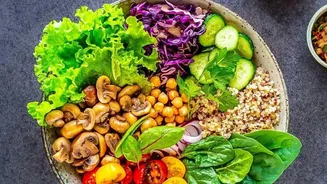
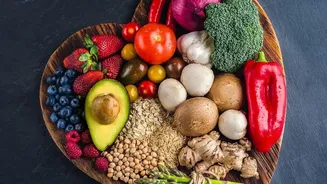
So, what should that first small meal look like? Focus on foods that are hydrating and gentle. A warm bone broth or a light vegetable soup is an excellent choice, as it provides hydration and electrolytes. Small portions of lean protein like fish or chicken, cooked non-starchy vegetables, and healthy fats like avocado or a few olives are also great options. Foods rich in probiotics, such as plain yogurt or kefir, can also be beneficial. It's wise to avoid anything overly greasy, sugary, spicy, or extremely high in raw fiber right away, as these can be difficult for a resting gut to handle.
Pace Yourself and Hydrate
How you eat is just as important as what you eat. Eat slowly and chew your food thoroughly. This simple act starts the digestive process in your mouth and reduces the workload on your stomach. It also takes about 20 minutes for your brain to receive fullness signals from your gut, so eating slowly helps prevent overeating. Equally important is hydration. Drink plenty of water before and after you break your fast. Proper hydration supports every bodily function, including digestion, and can help prevent the constipation and sluggishness that sometimes follow a fast.