


Start with a Statement Piece
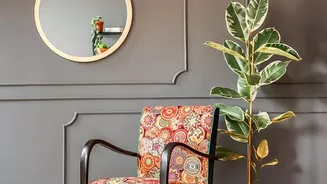
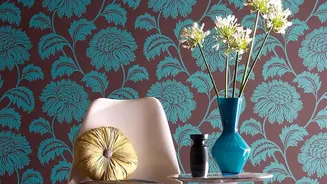
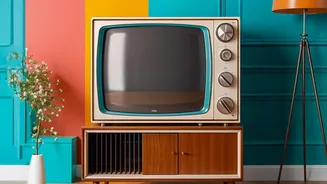
The easiest way to dip your toes into retro decor is to choose one dominant pattern to be the star of the room. This could be a striking wallpaper on a single accent wall, a sofa upholstered in a groovy 70s print, or a large area rug with a bold geometric
design. By selecting one 'hero' pattern, you create a clear focal point. The rest of the room can then be built around this piece with more subdued elements. This approach ensures the pattern makes an impact without competing for attention, preventing the space from feeling visually cluttered. If you're hesitant, start small with patterned throw pillows, curtains, or a single armchair to see how it energizes the space.
Unify with a Cohesive Colour Palette
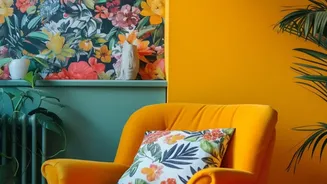
To prevent a mix of retro patterns from looking messy, stick to a unified colour story. Choose two or three main colours from your dominant pattern and repeat them throughout the room in solid forms. For example, if your floral wallpaper has pops of mustard yellow and olive green, incorporate those shades in your cushions, throws, or a plain-coloured armchair. This creates a sense of harmony and intentionality, tying all the elements together. Neutrals are your best friend here; walls, floors, or large furniture pieces in shades of cream, grey, or beige provide a calm backdrop that allows bold patterns to shine.
Play with Pattern Scale
If you decide to mix more than one pattern, the golden rule is to vary the scale. Combining patterns of different sizes creates a dynamic, layered look that feels curated, not chaotic. For instance, pair a large, bold floral print with a smaller, more delicate stripe or a tight geometric pattern. As a general guideline, many designers suggest using no more than three different patterns in a single room. This combination of a large-scale, a medium-scale, and a small-scale print will create contrast and visual depth without overwhelming the eye.
Let Your Surfaces Breathe
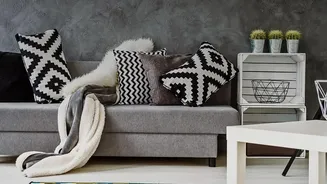
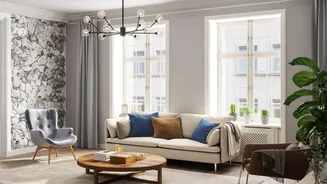
This is where the headline's advice truly comes into play. To balance busy patterns, you must incorporate solid-coloured elements that act as 'visual resting points'. Plain surfaces are crucial for preventing a room from feeling overwhelmed. This means leaving some walls bare, choosing a solid-coloured sofa, or laying down a simple, neutral rug. These blank spaces don't just prevent clutter; they actively make your chosen patterns stand out more. Think of it as creating contrast; a bold, patterned chair looks even more special when placed against a simple, clean wall. This balance is what creates a sophisticated, modern take on retro style rather than a museum-like replica of a past era.
Mix in Texture and Modern Elements
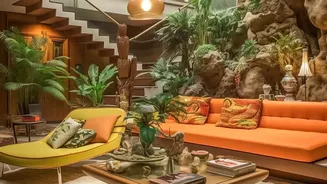
To keep your retro-inspired space from feeling flat, incorporate a variety of textures. A plush velvet sofa, a chunky knit throw, or a smooth brass lamp can add depth and interest that complements the visual energy of the patterns. Combining vintage patterns with modern furniture is another professional trick. A sleek, contemporary dining table can look fantastic paired with retro-patterned chairs, or an antique rug can anchor a living room with modern seating. This blend of old and new creates a home that feels collected and personal, showcasing a story rather than just a style. It tells guests that your home has evolved with you, blending the best of different eras.