






The Myth of the Magic Bullet
In the quest for convenient health and weight management, the smoothie has risen as a champion. It’s marketed as a fast-track to wellness, a simple way to pack fruits and vegetables into your day, and a go-to for those looking to shed kilos. This perception
gives smoothies a 'health halo', making us believe that anything blended must be good for us. The reality, however, is more complex. While a well-made smoothie can be incredibly nutritious, many commercial and homemade versions are closer to milkshakes in their nutritional profile. They are often loaded with calories and sugars that can sabotage weight loss goals if you're not careful. The key is understanding that a smoothie is not an automatic health pass but a meal that requires the same mindful construction as any other.
The Hidden Sugar and Calorie Traps
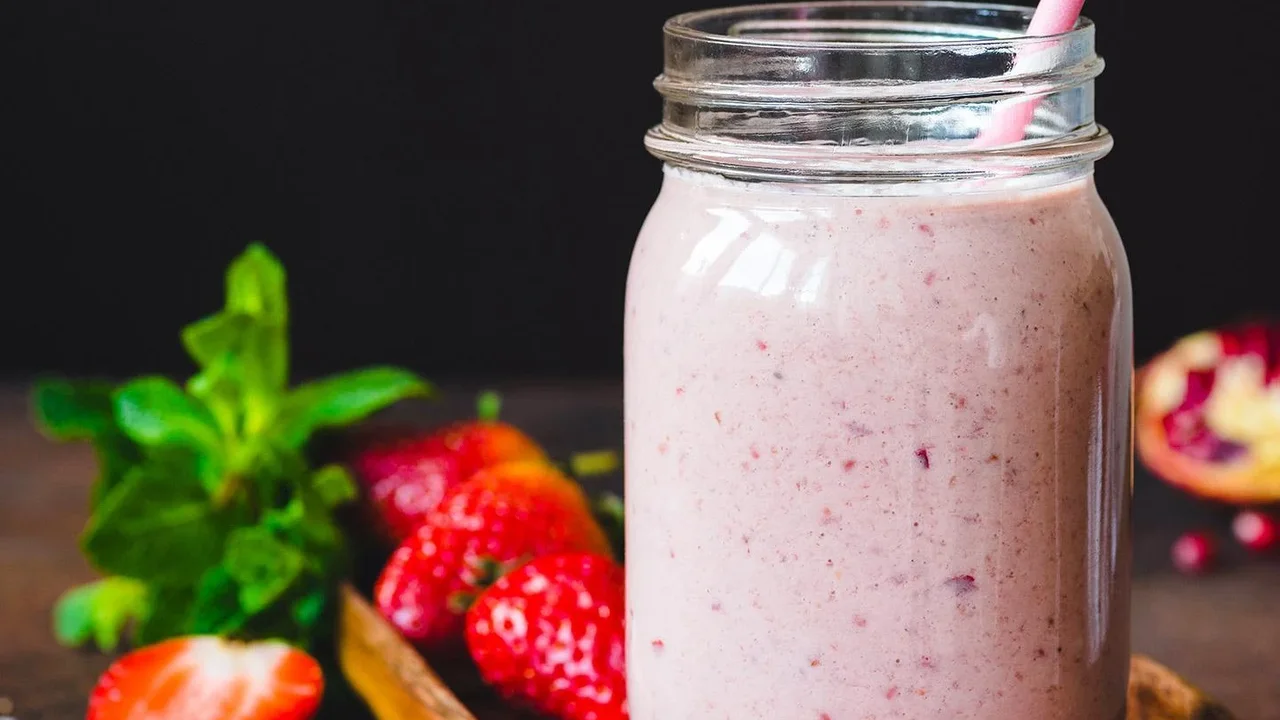
The primary reason a healthy-sounding smoothie turns into a dietary disaster is sugar. Many people load their blenders with multiple servings of fruit, fruit juice, sweetened yoghurts, or dollops of honey and syrup. While the sugar in whole fruit is natural, blending breaks down the plant cell walls, releasing these sugars and allowing your body to absorb them much faster, similar to added sugars. Using fruit juice as a liquid base is another common mistake, as it adds significant sugar without the beneficial fibre of whole fruit. Portion size also plays a huge role. It’s easy to blend three or four servings of fruit into a single large glass, consuming far more calories and sugar than you would if you ate those fruits whole. These calorie-dense additions can quickly turn a 200-calorie snack into a 600-calorie meal, leading to unintended weight gain.
How to Build a Better Smoothie
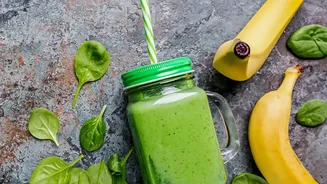
Creating a balanced smoothie that supports your health goals isn't complicated. The trick is to think of it as a complete meal, incorporating protein, healthy fats, and fibre. This combination helps to slow digestion, regulate blood sugar, and keep you feeling full and satisfied. A useful template is the 'Fab Four' approach: Protein, Fat, Fibre, and Greens. Protein: Aim for at least 10-20 grams. Good sources include plain Greek yoghurt, cottage cheese, unsweetened protein powder, or even soft tofu. Healthy Fats: A small amount of healthy fat adds creaminess and promotes satiety. Think a quarter of an avocado, a tablespoon of nut butter, or a sprinkle of chia or flax seeds. Fibre: This is crucial for feeling full and for digestive health. While fruit provides some, adding a large handful of leafy greens like spinach or kale is a great way to boost fibre without adding much sugar. Chia seeds and oats are also excellent fibre sources. Liquid Base: Skip the sugary juices. Opt for water, unsweetened almond or soy milk, or regular skim milk to control calories and sugar.
Rethinking the Role of the Smoothie
Instead of viewing smoothies solely as a weight-loss tool or meal replacement, consider them a versatile part of a balanced diet. A well-constructed smoothie can be an excellent post-workout recovery drink, a nutrient-dense snack to curb afternoon cravings, or a quick and easy breakfast on a busy morning. The fibre from whole fruits and vegetables supports good gut health, and the concentration of vitamins and antioxidants can boost your immune system and even improve skin health. They are a fantastic way to increase your intake of fruits and vegetables, which many people struggle to consume in sufficient quantities. By focusing on nutrient quality over simply replacing a meal, a smoothie becomes a powerful tool for overall wellness, not just a temporary diet strategy.