

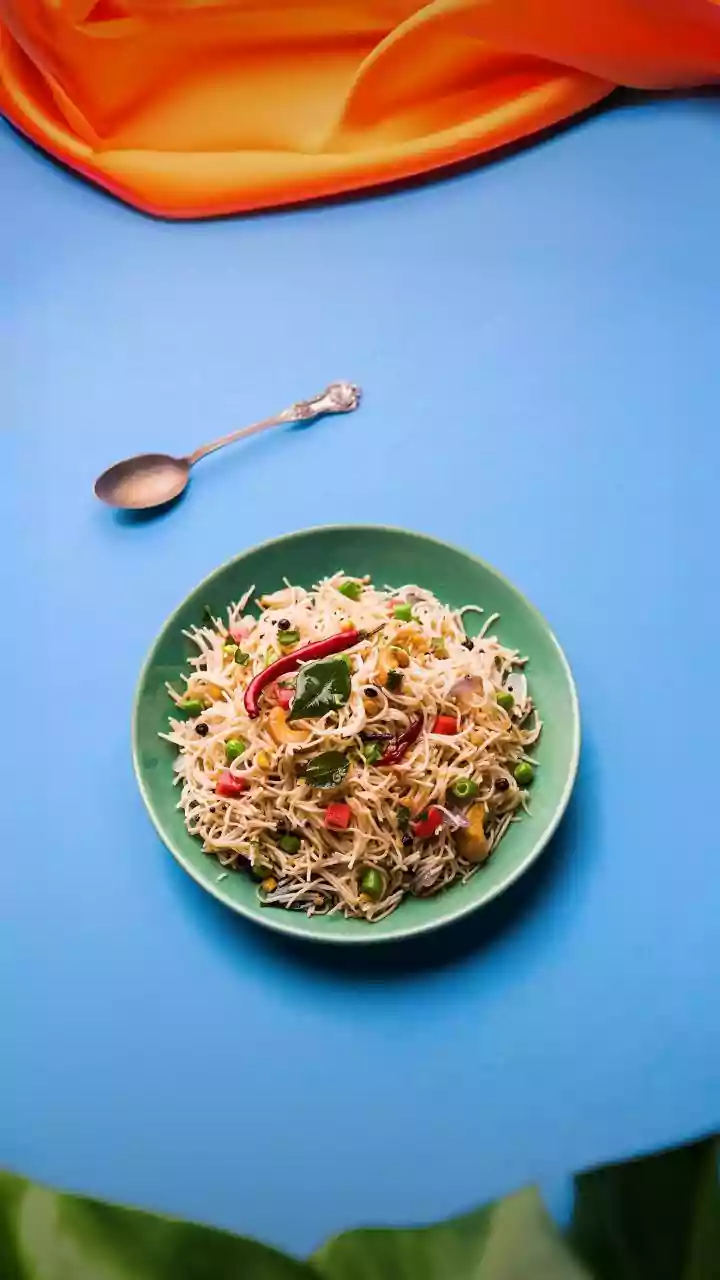



The Karnataka Classic: Khara Bath
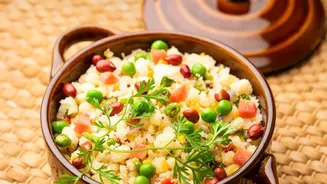
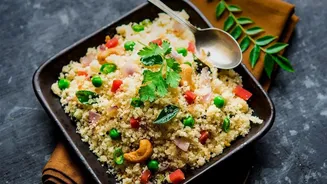
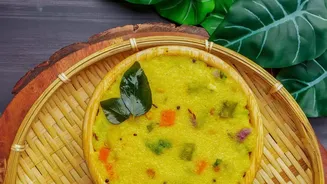
In Karnataka, upma is often known as Khara Bath. This version is typically spicier and more flavourful than its counterparts. The secret lies in a special spice blend, often vangi bath or bisi bele bath powder, which gives it a unique aroma and a warm,
savoury taste. It's also loaded with vegetables like carrots, beans, and peas, making it a heartier meal. To try this at home, focus on getting the spice right. Add a teaspoon of your chosen bath powder along with the usual tempering. Don't be shy with the vegetables, and aim for a soft, almost porridge-like texture. In Bengaluru, it is famously served alongside a sweet semolina dish called Kesari Bath, a combination known as 'Chow Chow Bath'.
The Tangy Twist: Tomato Upma
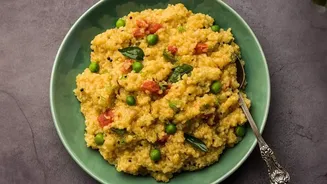
Popular in Tamil Nadu and Andhra Pradesh, Tomato Upma (or Thakkali Upma) is a vibrant and tangy take on the classic. As the name suggests, ripe tomatoes are the star ingredient, lending the dish its signature reddish hue and a pleasant sourness that cuts through the richness of the rava. The preparation involves sautéing onions, green chillies, and ginger, then adding finely chopped tomatoes and cooking them down until mushy before adding the semolina and water. For a perfect Tomato Upma at home, use fresh, ripe tomatoes for the best flavour. Some recipes also call for a pinch of red chilli powder or turmeric to enhance the colour and add a mild heat. It's a refreshing change, perfect for those who enjoy a breakfast with a bit of a kick.
The Quick Alternative: Aval Upma
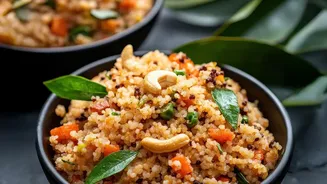
Hailing from Maharashtra and popular across Western India, Aval Upma uses flattened rice (poha) instead of semolina. This makes it a significantly faster dish to prepare, as poha requires only a brief soak in water rather than extensive cooking. The method is similar to making traditional poha, starting with a tempering of mustard seeds, cumin seeds, curry leaves, and often peanuts for crunch. Sautéed onions and sometimes potatoes are added before the soaked poha is mixed in. To make it at home, remember to rinse the poha gently; you want to soften it, not turn it into a paste. A final squeeze of lemon juice and a garnish of fresh coriander are essential to brighten up the flavours.
The Ultimate Combination: Upma Pesarattu
This is not just a type of upma, but a celebrated dish from Andhra Pradesh where upma gets a starring role. Upma Pesarattu consists of a thin, crisp crepe (dosa) made from green moong dal, which is then filled with a small amount of plain rava upma. The pesarattu itself is savoury and nutritious, made by grinding soaked moong dal with ginger and green chillies. The upma inside is usually kept simple to complement the flavour of the dosa. The combination of the crispy outer layer and the soft, savoury filling is a textural delight. To recreate this, prepare a simple, fluffy upma first. Then, make your pesarattu and, while it's still on the griddle, spread a spoonful of upma in the centre before folding. It's a complete meal in one.
The Modern Makeover: Bread Upma
A genius way to use up leftover bread, Bread Upma is a quick, pan-Indian favourite that’s especially popular for a speedy breakfast or evening snack. While not strictly traditional, it follows the same core principles. Cubes of bread are toasted and then tossed in a tempering of mustard seeds, curry leaves, onions, and tomatoes. Spices like turmeric and chilli powder are added for colour and flavour. The key is to toast the bread cubes until they are slightly crisp before adding them to the pan; this prevents them from becoming soggy. The final dish is a flavourful, savoury scramble that comes together in minutes. It's a versatile recipe that proves the upma technique can be applied to more than just semolina.