




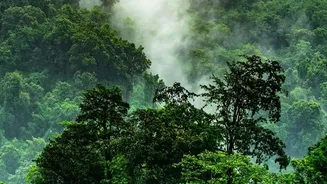

A Land of Dramatic Extremes
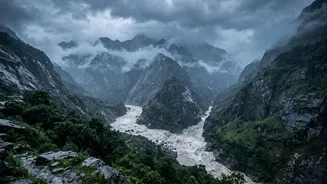
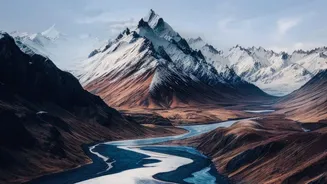
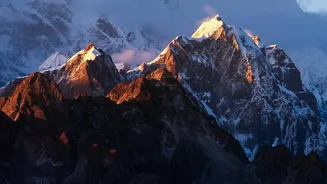
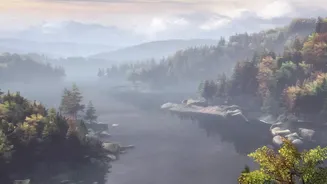
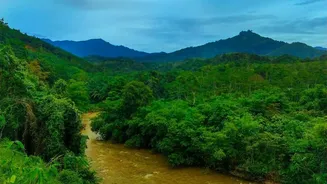
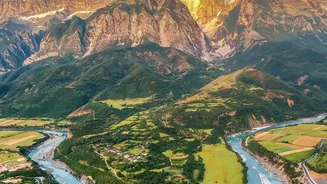
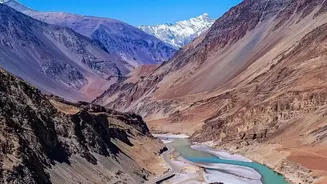
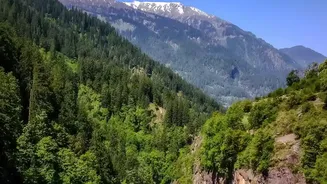
Nepal's terrain is among the most dramatic on Earth. The country rises from the low-lying Terai plains to the soaring peaks of the Himalayas in a very short distance. This extreme gradient forces its powerful river systems into deep, narrow valleys. Unlike
wide, meandering rivers that can spread out and dissipate floodwaters across a broad floodplain, Nepal's rivers are often trapped between steep, unforgiving walls of rock. This geography is the foundational element of the country’s flood risk; it creates a natural funnel with catastrophic potential.
The Funnel Effect in Action
When a large volume of water suddenly enters one of these narrow valleys, the effect is like squeezing a fire hose. With no room to spread out, the water has nowhere to go but forward—and fast. The channel constricts the flow, causing the water's speed and destructive power to increase exponentially. This surging torrent becomes a liquid avalanche, carrying with it immense amounts of mud, boulders, and other debris scoured from the riverbed and banks. This sediment-heavy slurry is far more destructive than water alone, capable of destroying concrete bridges and buildings that might otherwise withstand a normal flood.
The Threat from Melting Glaciers
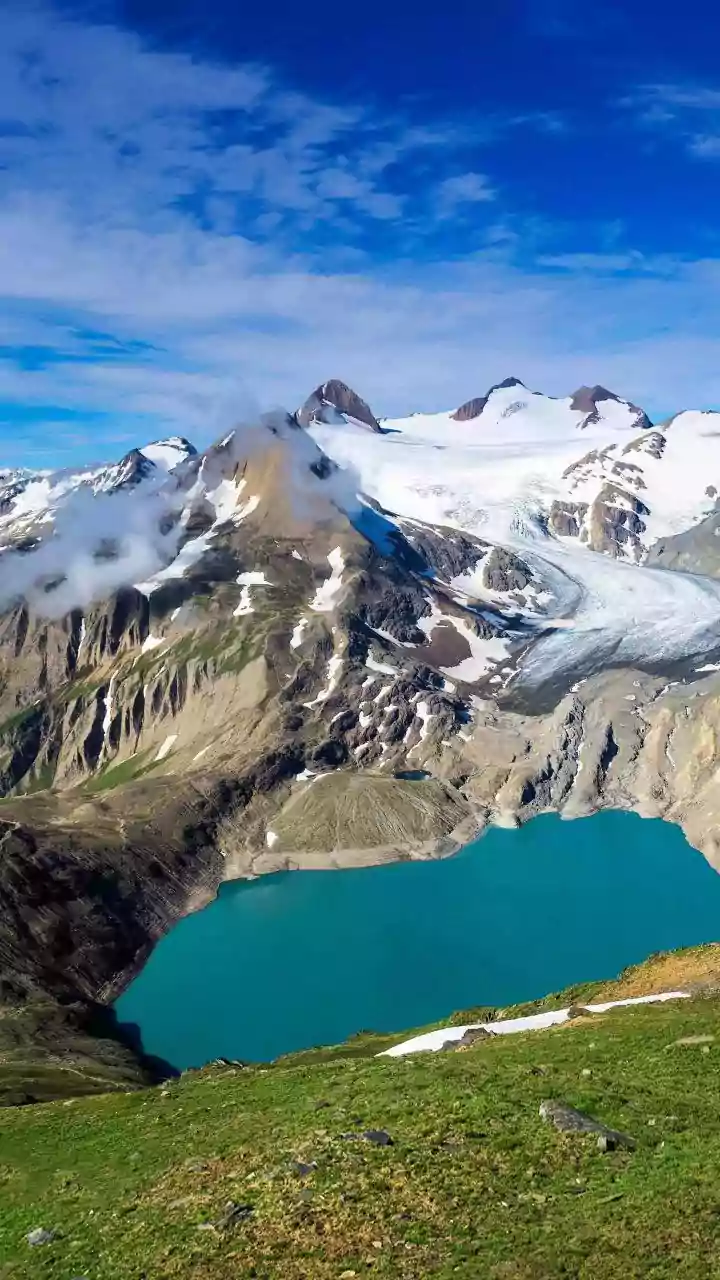
One of the primary triggers for these sudden water surges is a phenomenon known as a Glacial Lake Outburst Flood (GLOF). As climate change accelerates the melting of Himalayan glaciers, vast amounts of meltwater are accumulating in high-altitude lakes. These lakes are often dammed by nothing more than unstable mounds of rock and ice, known as moraines. When these natural dams fail—due to an earthquake, a landslide, or simply the pressure of the rising water—they can release the entire contents of the lake in an instant. Dozens of such GLOF events have been recorded in Nepal in recent decades, with many more potentially dangerous lakes being monitored.
The Unforgiving Monsoon
The annual monsoon season, which brings about 80% of Nepal's rainfall between June and September, is another critical factor. The intense, concentrated downpours can saturate the ground, triggering landslides that can temporarily dam rivers. When these landslide dams inevitably burst, they release another type of outburst flood. Moreover, when a GLOF or a glacier collapse-induced flood occurs during the peak of the monsoon, as seen in the devastating event of August 2026, the disaster is amplified. The rivers are already swollen, and the extra water from the outburst has an even more catastrophic impact downstream.
A Human Dimension
The threat is compounded by human settlement and infrastructure. The same narrow valleys that pose such a risk are also often the only habitable areas, concentrating towns and villages along the riverbanks. Hydropower projects, roads, and bridges—all vital for the country's development—are built within these high-risk corridors. This not only puts more people and critical infrastructure in harm's way but can also sometimes alter natural drainage patterns, exacerbating the impacts of a flood. The challenge for Nepal is to balance development with the stark realities of its volatile geography.