




What Exactly Is a Ginger Compress?
A ginger compress is a form of traditional topical therapy that has been used for centuries. It involves applying a cloth soaked in hot, ginger-infused water directly to the skin. The goal is to combine the therapeutic benefits of heat with the natural
properties of ginger to soothe specific areas of the body. Heat therapy itself is well-known for relaxing muscles and increasing blood flow, which can help reduce stiffness. When combined with ginger, which is celebrated in traditional medicine for its warming qualities, the compress becomes a focused tool for delivering comfort exactly where you need it. This simple preparation is often used to address localized muscle soreness, joint stiffness, and other minor discomforts.
The Science of Soothing
The feeling of relief from a ginger compress isn't just an old wives' tale; it has a basis in ginger's chemical makeup and the principles of heat application. Ginger root contains powerful bioactive compounds, most notably gingerols and shogaols. These substances are known for their potent anti-inflammatory properties. Research suggests they can work similarly to some anti-inflammatory medications by inhibiting enzymes and pathways in the body that produce pain and inflammation. When applied to the skin via a warm compress, the heat helps to widen blood vessels, stimulating local circulation. This increased blood flow not only feels good but may also help the active compounds from the ginger penetrate the skin more effectively, providing targeted relief for muscle aches and reducing minor swelling.
How to Make and Use a Ginger Compress
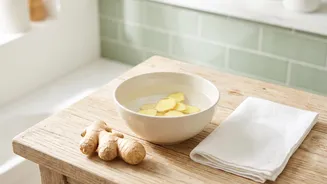
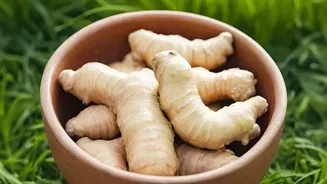
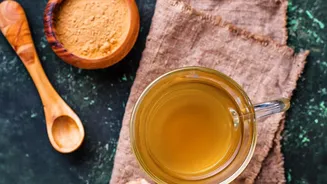
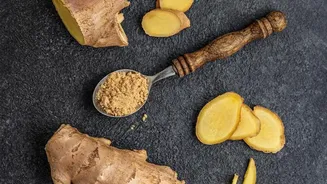
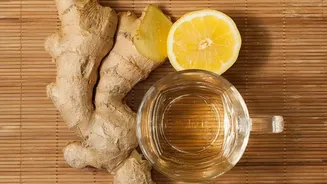
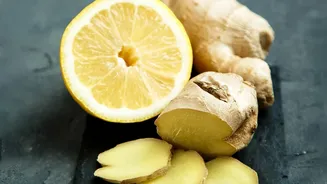
Creating your own ginger compress at home is a straightforward process. You will need a piece of fresh ginger (about three to four inches), a grater, a large pot with about two litres of water, and a few small cotton towels. First, grate the ginger—there's no need to peel it for this purpose. You can either place the grated ginger directly into the pot or wrap it in a small cotton cloth or handkerchief to create a bundle. Bring the water to a boil, then reduce the heat and let the ginger steep for about five to ten minutes to infuse the water. Turn off the heat. Carefully dip the middle of a towel into the hot ginger water, keeping the ends dry. Wring out the excess liquid, being very careful as the water will be hot. Test the temperature on your inner wrist before applying it to the affected area to prevent burns. Place the warm towel on the area, and you can cover it with a dry towel to help retain the heat. Leave it on for about 15 to 20 minutes, replacing it with a freshly soaked warm towel as it cools.
Common Uses and Applications
People turn to ginger compresses for a variety of minor, temporary complaints. They are commonly used to ease menstrual cramps by applying the warm cloth to the lower abdomen. For general muscle soreness after a workout or minor backaches, the compress can be applied directly to the sore area. It is also frequently used on stiff joints, such as knees or shoulders, to help improve circulation and reduce feelings of stiffness. The gentle, warming sensation can be deeply relaxing, making it a popular self-care ritual to unwind and soothe tension in the neck and shoulders after a long day. Some traditional practices also use it to help with chest congestion by applying it to the upper back.
Important Precautions and When to See a Doctor
While a ginger compress is generally safe for topical use, there are important precautions to take. The most immediate risk is skin burns from water that is too hot, so always test the temperature before application. Ginger itself can cause skin irritation, redness, or a burning sensation in individuals with sensitive skin. It's wise to perform a patch test on a small area of skin first. Do not apply the compress to broken, irritated, or infected skin, and avoid using it on the head. This remedy is intended for temporary comfort from minor issues. If you are experiencing severe, persistent, or worsening pain, or if you have a chronic condition like rheumatoid arthritis where joints are already hot and swollen, this may not be appropriate.