




Why A Gradual Return Is Crucial
For nine days, your digestive system has been on a different schedule. You may have been eating smaller portions, relying on specific food groups like fruits and dairy, or avoiding grains and pulses altogether. This period of altered eating gives your digestive system a rest.
Suddenly reintroducing heavy, oily, or complex meals can shock the system, leading to uncomfortable issues like bloating, acidity, gas, and indigestion. The key is to resume normal eating slowly over two to three days to allow your body to adjust smoothly.
Start with Hydration
The first and most important step is to replenish your fluids. Begin your day with plain water, coconut water, or a light, homemade vegetable soup. These options restore hydration without overwhelming your stomach. Another excellent choice is light buttermilk (chaas), which is cooling and aids digestion. Try to sip fluids throughout the day rather than drinking a large amount at once. Avoid jumping straight to sugary drinks or excessive tea and coffee, as too much caffeine can stress the system.
Introduce Gut-Friendly Probiotics
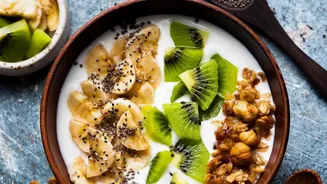
Fasting can alter your gut environment, so reintroducing beneficial bacteria is a great way to support digestive health. Yoghurt (dahi) is one of the best sources of natural probiotics. You can have a small bowl of plain yoghurt or incorporate it into a meal as raita. Fermented foods help restore balance to your gut microbiome, which is crucial for smooth digestion and overall well-being. These foods help counteract issues like constipation that can sometimes arise from changes in diet.
Embrace Light, Cooked Meals
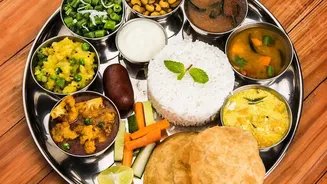
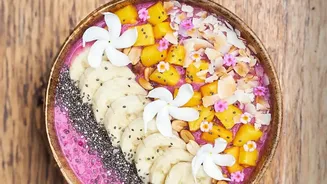
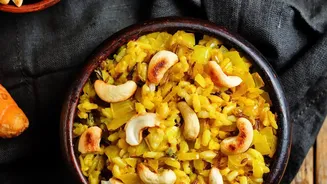
Instead of a heavy, celebratory feast, opt for simple, cooked meals. A classic choice is khichdi made from rice and moong dal, which is incredibly easy to digest and provides a gentle source of carbohydrates and protein. Cooked vegetables are preferable to raw salads initially, as the cooking process breaks down fibres, making them easier on your gut. Simple preparations like steamed pumpkin or lauki (bottle gourd) sabzi are excellent choices. You can also have a light breakfast like a curd smoothie or sprouts.
Gradually Reintroduce Grains and Proteins
After days of vrat-friendly flours like buckwheat (kuttu) or water chestnut (singhara), bring regular grains back slowly. Start with simple options like plain rice or a single-grain chapati before moving to heavier multi-grain versions. For protein, instead of rich curries, opt for gentle sources like boiled eggs or simple lentil preparations. Avoid heavy red meats or fried proteins for the first couple of days, as they can be hard to digest.
Foods to Avoid for a Few Days
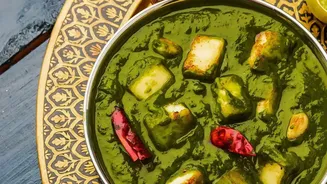
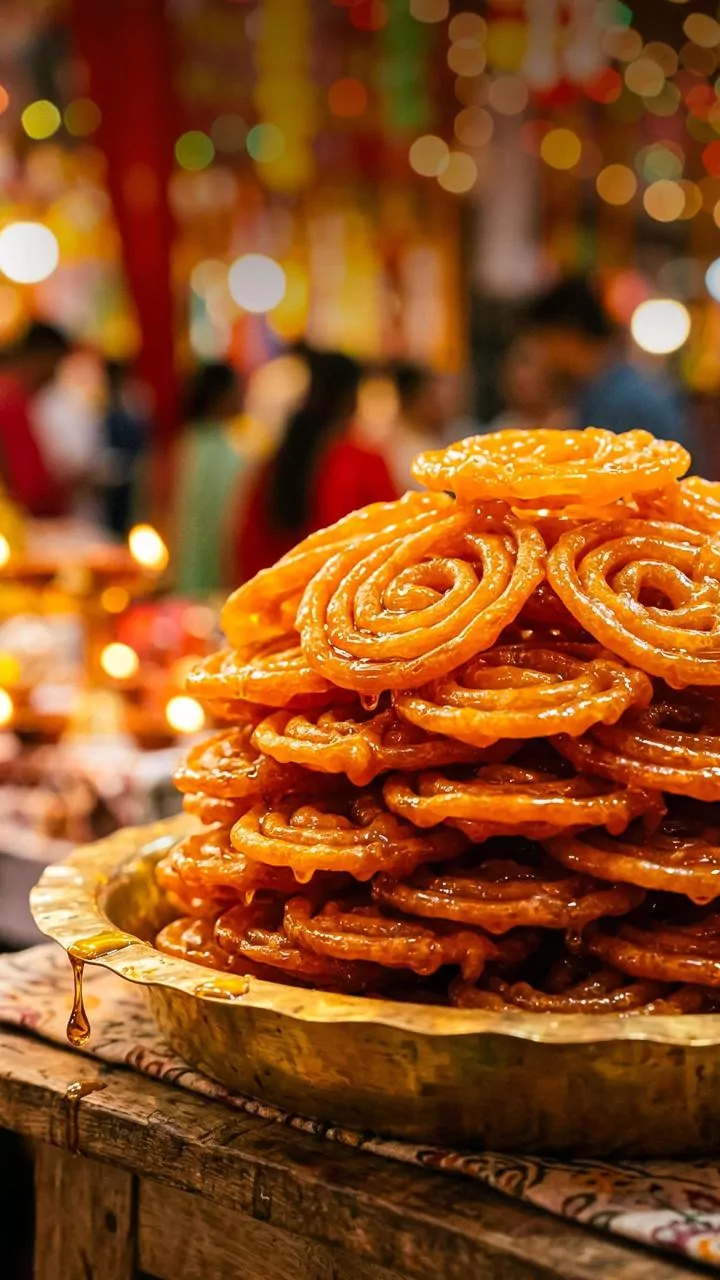
To prevent discomfort, it's wise to steer clear of certain foods for the first 48-72 hours post-fast. Avoid anything excessively oily, spicy, or fried, such as puris, pakoras, and heavy curries. Processed foods and items high in refined sugar should also be avoided, as they can cause blood sugar spikes and digestive distress. It is best to enjoy festive sweets and rich foods in moderation after your digestive system has had a chance to return to its normal rhythm.