




The Science of the Soggy Vegetable
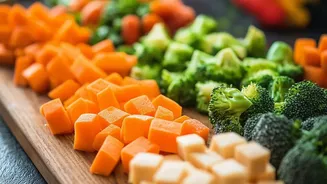
Frozen vegetables are a marvel of modern convenience, flash-frozen at peak ripeness to lock in nutrients. But the freezing process has a crucial side effect. Vegetables are mostly water, and when this water freezes, it expands and forms ice crystals that
can rupture the plant's cell walls. When you cook them, this excess moisture is released. If that moisture gets trapped, it creates a steamy environment that essentially boils the vegetables, leading to the dreaded mushy texture. The goal, therefore, isn't to eliminate steam entirely, but to control it so the vegetables can cook without becoming waterlogged.
Rule #1: Do Not Thaw
It might seem counterintuitive, but one of the biggest mistakes is thawing frozen vegetables before cooking them. Thawing allows the ice crystals to melt, releasing water that soaks into the vegetable and further softens its already compromised structure. Cooking vegetables directly from their frozen state is almost always the best approach. This allows the high heat of the pan or oven to evaporate surface moisture quickly, preventing the vegetables from stewing in their own liquid and helping them achieve a better, firmer texture. The only exception might be for recipes like dips or purées where a soft texture is actually desired.
Give Them Space to Breathe
Overcrowding the pan is a primary cause of sogginess. When vegetables are packed together too tightly, they trap steam. This creates a humid microclimate where the vegetables steam themselves instead of roasting or sautéing. To avoid this, always use a pan or baking sheet that is large enough to hold the vegetables in a single, even layer with space between the pieces. This breathing room allows moisture to escape and evaporate, promoting browning and caramelization rather than steaming. If you're cooking a large quantity, it's far better to cook in two separate batches than to crowd one pan.
Turn Up the Heat
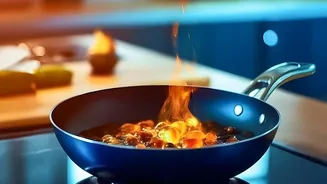
Low heat is not your friend when it comes to frozen vegetables. To combat the initial iciness and drive off moisture quickly, you need to start with high heat. Whether you are roasting in the oven or sautéing on the stovetop, make sure your pan and oven are fully preheated. For roasting, a temperature of at least 205°C (400°F) is recommended. Some experts even suggest going as high as 230°C (450°F) to ensure the water evaporates rapidly, allowing the vegetables to become crisp on the outside. High heat helps achieve the Maillard reaction, a chemical process that creates the delicious brown, caramelized notes that elevate vegetables from bland to brilliant.
Mastering Different Methods
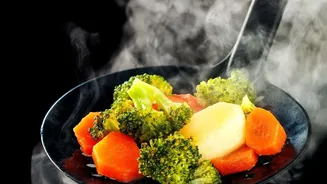
How you apply these rules depends on your cooking method. For roasting, toss frozen vegetables with oil and spread them on a hot sheet pan, stirring halfway through for even cooking. For sautéing, use a wide pan over medium-high heat with a little oil, and be sure to cook uncovered to let steam escape. If you prefer to steam, use a proper steamer basket that keeps the vegetables above the boiling water, not submerged in it. Cover the pot to trap just enough steam to cook them through, but check them frequently to avoid overcooking. Since they're already blanched, frozen vegetables cook much faster than fresh ones.