




Beyond the Pan-Indian Menu
The urban Indian restaurant scene has long been dominated by a handful of culinary ambassadors: rich Mughlai curries, ubiquitous Punjabi tandoori, and a generalized version of South Indian vegetarian fare. While delicious, this limited menu represents
only a fraction of India's vast gastronomic landscape. Today, a significant shift is taking place. Cuisines from states like Odisha, Bihar, and Assam, once confined to home kitchens, are now stepping into the spotlight. Dishes like Odisha's flavourful 'pakhala bhath' or Bihar's rustic 'litti chokha' are appearing on urban menus, offering diners a taste of authentic, hyper-regional flavours that challenge the old, monolithic idea of "Indian food".
The Rise of Culinary Storytellers
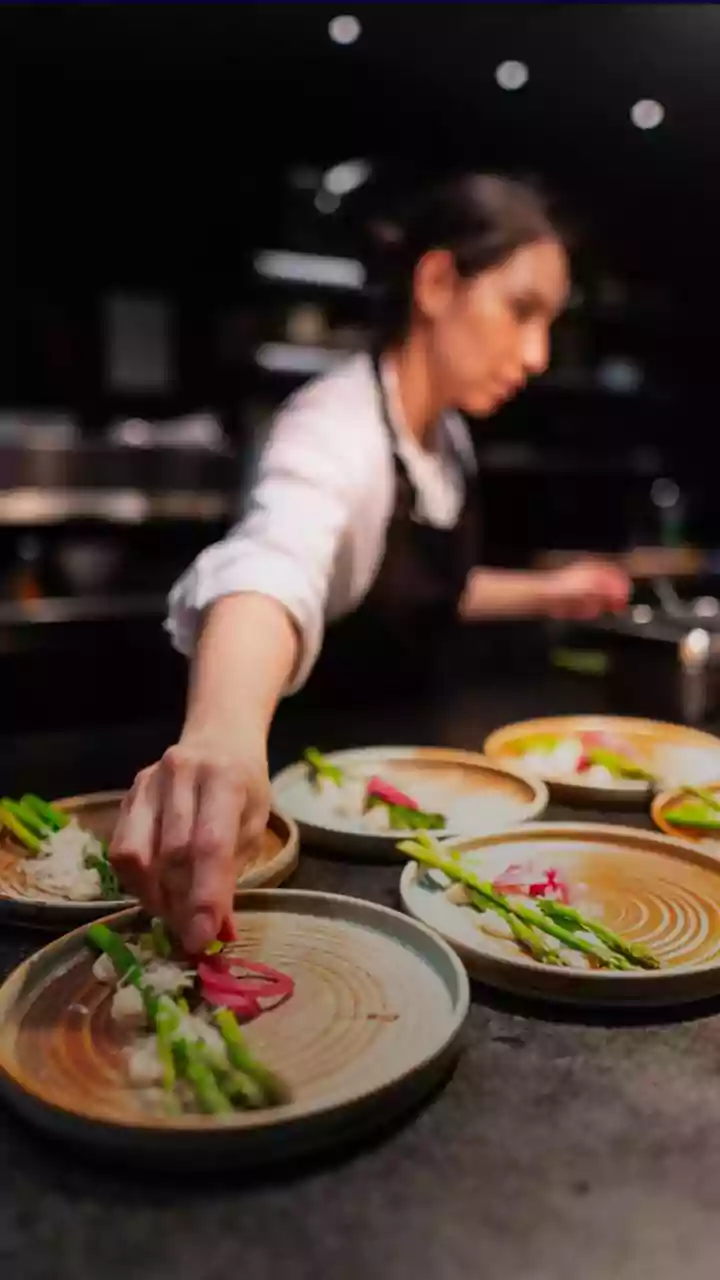
A new generation of Indian chefs is at the heart of this movement. They are acting as cultural entrepreneurs, driven by a pride in their heritage and a desire to showcase the depth of their ancestral recipes. Instead of chasing global trends, they are looking inward, exploring indigenous ingredients and reviving forgotten cooking techniques. Chefs are reintroducing urban audiences to the subtle, complex flavours of cuisines like Assamese food, known for its minimal use of oil and reliance on fresh herbs, or the unique dishes of Odisha, which are deeply connected to temple traditions. These culinary pioneers are not just cooking; they are curating experiences and telling the stories of their communities, one plate at a time.
Technology as a Great Equaliser
The rise of regional food would be impossible without technology. Cloud kitchens, which operate on a delivery-only model, have drastically lowered the financial barrier to entry for food entrepreneurs. This allows chefs to launch niche concepts—focusing on anything from Bihari mutton preparations to Bengali seafood—without the immense cost and risk of a traditional dine-in restaurant. Food aggregator apps like Zomato and Swiggy provide a ready-made market, putting these specialized menus in front of millions of curious customers. This digital ecosystem has created a more democratic food landscape where a small, delivery-only kitchen specializing in Odia delicacies can compete with established chains.
A Hunger for Authenticity
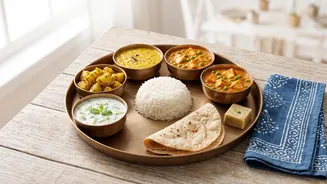
The demand for regional food is also being driven by a cultural shift among urban consumers. Younger generations, particularly millennials and Gen Z, are increasingly seeking authentic experiences that connect them to their roots. For many who have grown up in metropolitan cities, far from their ancestral villages, food has become a powerful tool for exploring their identity. Social media platforms like Instagram have become virtual discovery engines, where visually appealing posts about a unique tribal dish from the Northeast or a special thali from Telangana can spark widespread interest and curiosity. This digital word-of-mouth, combined with a genuine desire for new and diverse flavours, has created a generation of diners who are actively moving beyond the standard fare.
From Pandemic Project to Professional Kitchen
The COVID-19 pandemic inadvertently acted as a massive catalyst for this trend. Confined to their homes, many people began experimenting with cooking, often exploring family recipes and regional dishes they hadn't tried before. This led to a boom in home chefs, many of whom started small-scale delivery businesses through social media. What began as a lockdown hobby soon turned into a viable business for many, as they found a receptive audience for their authentic, home-style meals. This wave of home-grown culinary talent fed directly into the broader trend, adding even more diversity to the urban food delivery scene and proving that there was a significant market for foods well beyond the restaurant mainstream.