

The Science of a Subtle Spice
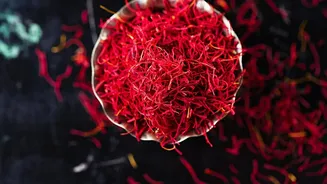
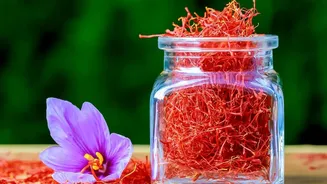
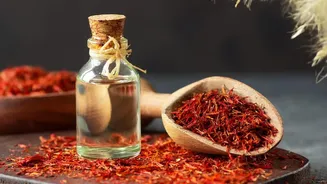
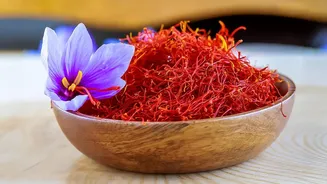
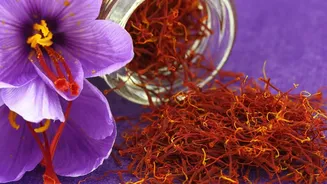
Saffron's magic comes from the crimson stigmas of the Crocus sativus flower, and its high price is due to the labour-intensive process of harvesting each thread by hand. But its value is also in its potency. The spice contains over 150 compounds, but
three are key to its character: crocin, which provides the brilliant golden colour; safranal, responsible for the hay-like, floral aroma; and picrocrocin, the source of its distinct, slightly bitter taste. When used correctly, these elements create a flavour profile that is earthy, subtly sweet, and wonderfully aromatic. It's a delicate balance that enhances dishes rather than dominating them.
When More Becomes Medicinal
The common impulse when using an expensive ingredient is to be generous, to ensure its presence is noticed. With saffron, this is a critical error. The very compound that gives saffron its sophisticated bitterness, picrocrocin, can easily overwhelm a dish when used in excess. Instead of a warm, floral note, you get a taste that is jarringly medicinal or harshly bitter. Too much saffron doesn't make a dish taste more like saffron; it makes it taste unpleasant. This is why culinary experts advise that a small pinch, often just a few threads per serving, is more than enough. The goal is a gentle infusion of flavour, not a sledgehammer of spice.
The Art of Blooming Saffron
To get the most out of your precious threads, the key is a technique called 'blooming'. Simply tossing dry threads into a dish, especially a dry one, results in uneven colour and concentrated pockets of flavour. Blooming involves steeping the saffron in a small amount of warm liquid for about 15 to 20 minutes before adding it to your recipe. You can use warm water, milk, or broth, depending on what you're making. Gently crushing the threads before steeping helps release their essence even more effectively. This process coaxes out the crocin (colour) and safranal (aroma), allowing them to be distributed evenly throughout your entire dish. The infused liquid, along with the softened threads, ensures every bite carries a whisper of saffron's magic, not a shout.
Saffron in Simple Suppers
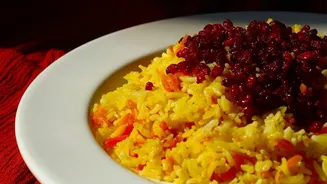
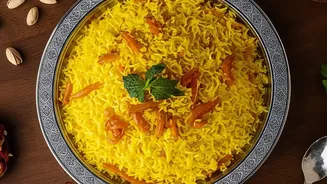
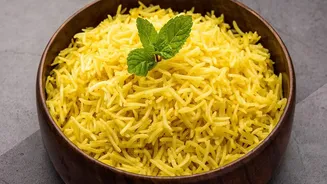
You don't need a complicated recipe like paella or risotto to enjoy saffron. Its subtle power can elevate everyday meals. A tiny pinch bloomed in the cooking water for plain rice transforms it into a fragrant, golden side dish. Just a few threads added to a simple chicken or vegetable broth can create a soup with surprising depth and warmth. You can even infuse it into milk for creamy desserts or teas. For a simple rice dish serving four people, about 10-15 threads is a good starting point. Remember, the aim is to complement the other ingredients, adding a layer of luxury without stealing the show. Saffron pairs beautifully with garlic, onions, seafood, and even citrus and vanilla.
Choosing Quality Threads
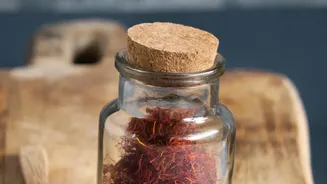
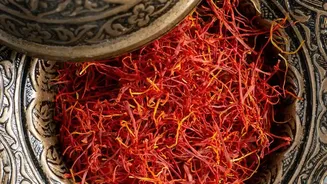
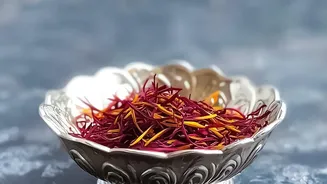
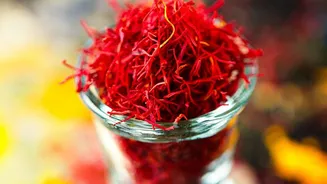
The effectiveness of your 'light touch' also depends on the quality of the saffron you buy. The best saffron consists of long, uniformly deep-red threads, which are the stigmas of the flower. Some lower-grade varieties include the yellow 'style'—the part that connects the stigma to the flower—which adds weight but has very little flavour or colour. Saffron powder is also best avoided, as it can be easily adulterated with other spices like turmeric and loses its potency much faster. While high-quality saffron is an investment, you need far less of it to achieve a beautiful result, making it more economical in the long run.