






The Two-Step Charting Process
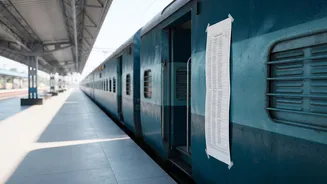
To understand post-chart vacancies, you first need to know how Indian Railways prepares its passenger lists. The process happens in two main stages. The first reservation chart is typically prepared several hours before the train's scheduled departure—often
around 4 to 10 hours in advance, depending on the train's departure time. This initial chart finalises the allocation of berths for passengers with confirmed, RAC (Reservation Against Cancellation), and waitlisted tickets. After this, a second and final chart is prepared about 30 minutes before the train leaves. This final list accounts for any last-minute changes, like online cancellations made between the two chart preparations or upgrades from RAC to confirmed status. It’s this two-step process that creates confusion about seat availability.
What 'Current Booking' Actually Is
After the first chart is prepared, a special window called 'Current Booking' opens. This facility allows passengers to book any seats that were still vacant in the system after the initial allocation was done. These are not seats from last-minute cancellations, but rather berths that were never booked in any quota (General, Tatkal, etc.) in the first place. The key feature of Current Booking is that it only issues fully confirmed tickets; you cannot book an RAC or a waitlisted ticket through this option. This facility is available online through the IRCTC portal and at station counters, closing about 30 minutes before departure when the final chart is made.
The 'No New Seats' Rule Explained
The headline of this article gets to the core of the issue: the current booking system does not magically 'create' new seats or add recently cancelled ones back into the online pool. When a passenger with a confirmed ticket cancels their booking after the first chart has been prepared, that vacant seat is not typically pushed back into the online 'Current Booking' system for anyone to grab. The online system's inventory is essentially locked after the first chart. The vacancies you see available for current booking are the ones that were already empty when the chart was first generated, not the ones that became empty a few hours before departure.
So, Where Do Post-Chart Cancelled Seats Go?
This is the crucial piece of the puzzle. Any berths that become vacant due to cancellations or no-shows after the first chart is prepared are transferred to the authority of the Travelling Ticket Examiner (TTE) on the train. This means these seats are no longer available for online booking but are now available for manual, onboard allocation. The TTE's handheld device or physical chart is updated with these new vacancies. Their first priority is to clear any RAC passengers, upgrading them to fully confirmed berths. After all RAC ticket holders have been accommodated, any remaining empty berths can be allotted to other passengers.
How the TTE Allots Onboard Vacancies
If you have a waitlisted ticket that didn't get confirmed, or even if you board with just a platform ticket, you can approach the TTE and request a vacant berth. If seats are available after all RAC passengers have been given berths, the TTE is authorised to allot them. You will be required to pay the full fare for the journey, sometimes along with a nominal penalty, directly to the TTE, who will issue a paper ticket. This is the only way to secure a berth that became free due to a last-minute cancellation after charting. It happens manually and onboard, entirely outside the online booking system.