

An Introduction to Two Humble Roots
At a glance, beetroot and sweet potato seem to share a similar life story. Both grow underground, absorbing nutrients from the soil, and emerge as colourful, nutritious additions to our plates. They are staples in kitchens across India, celebrated for
their versatility and flavour. Yet, once you start to peel, chop, and cook them, their profound differences become clear. One holds its shape with a firm, toothsome bite, while the other readily yields to a soft, fluffy consistency. This textural divergence isn't a matter of chance; it's a story written in their very cellular structure, a tale of starch, sugar, and fibre.
Beetroot: Earthy, Firm, and Juicy
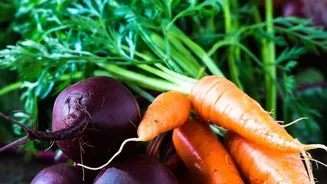
Beetroot has a reputation for being robust and earthy. When raw, it's crisp and crunchy, similar to a carrot. When cooked, it softens but maintains a dense, satisfying structure that doesn't collapse into mush. This resilience is thanks to its composition. Beetroot is relatively low in starch and calories but high in water and sugar—specifically sucrose. Its carbohydrates are primarily composed of sugar (about 71%) and dietary fibre (29%), with almost no starch. This means that during cooking, there isn't a starchy component to break down and create a creamy texture. Instead, the beet's cell walls hold firm, allowing it to soften while retaining its distinct, non-fibrous bite. This makes it perfect for roasting whole, slicing into salads, or pickling, where its ability to maintain integrity is a prized asset.
Sweet Potato: Starchy, Soft, and Creamy
The sweet potato offers a completely different experience. While firm when raw, cooking transforms it into something exceptionally soft and creamy. The secret lies in its high starch content. A sweet potato's carbohydrates are made of approximately 64% starch. When heated, an enzyme within the sweet potato begins to break down these complex starches into simpler sugars, namely maltose. This process not only intensifies its natural sweetness but also results in the fluffy, almost buttery texture we love in dishes like mashed sweet potatoes or a perfectly baked one that can be scooped with a spoon. Its higher fibre content also contributes to its satisfying, hearty feel, keeping you feeling full for longer.
The Impact of Cooking Methods
How you cook these vegetables can either highlight or alter their natural textures. Roasting is where the differences truly shine. When roasted at high heat (around 200-220°C), the sugars in both vegetables caramelize, deepening their flavour. For sweet potatoes, the dry heat helps draw out moisture, concentrating the sugars and resulting in a crispy skin and an incredibly fluffy, sweet interior. Beetroots, when roasted, also become sweeter as their flavours concentrate, but they remain dense and moist on the inside rather than fluffy. Boiling or steaming tells a similar story. Sweet potatoes will absorb water and become very soft, ideal for purees. Beetroots will also become tender but are far less likely to turn mushy, holding their shape well for salads or as a simple side dish.
Choosing the Right Root for the Job
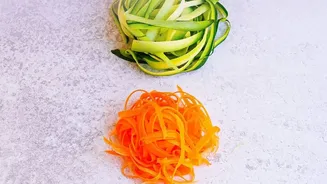
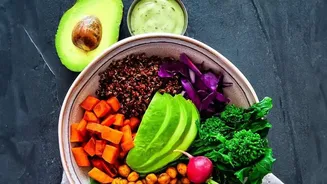
Understanding these textural differences allows you to be more creative in the kitchen. The firm, juicy texture of beetroot makes it a star in dishes where you want a distinct vegetable component. Think of diced, roasted beetroot in a quinoa salad, thinly sliced for a crunchy element, or even grated raw for a vibrant slaw. Its structure stands up well to tangy dressings and bold flavours. The creamy, soft nature of the sweet potato, on the other hand, makes it a fantastic binder and base. It excels in silky soups, as a healthier alternative in baking pies and brownies, or simply mashed as a comforting side. It can be fried into crispy chips or fries, offering a pleasant contrast between a crunchy exterior and a pillowy inside.