

Mount Merapi, Indonesia (2010)
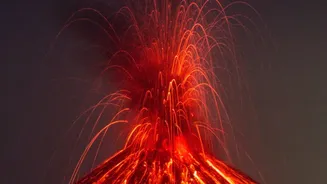
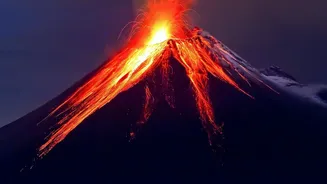
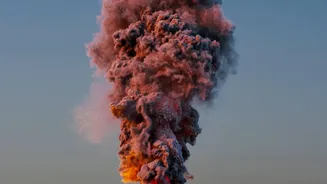
One of the most active and dangerous volcanoes in Indonesia, Mount Merapi, unleashed its most powerful eruption in over a century in late 2010. Beginning in late October and continuing for over a month, a series of violent explosions sent scorching gas
clouds, known as pyroclastic flows, racing down its slopes. These flows, combined with volcanic ash and mudflows called lahars, devastated surrounding villages. Despite the evacuation of over 350,000 people, the disaster claimed more than 350 lives. Many victims were caught by the fast-moving toxic gases and hot ash. The eruption served as a grim reminder of the threats faced by the millions of people living in the shadow of active volcanoes, leading to revised hazard maps and improved monitoring systems.
Volcán de Fuego, Guatemala (2018)
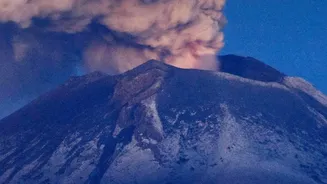
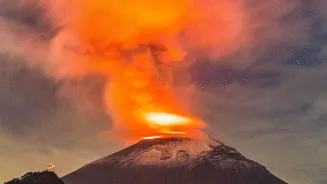
Known as the "Volcano of Fire," Volcán de Fuego is one of Central America's most active volcanoes. On June 3, 2018, it erupted with devastating speed and little warning, catching nearby communities completely off guard. The eruption sent superheated pyroclastic flows—a deadly mix of ash, rock, and volcanic gases—down the mountainside, engulfing villages like San Miguel Los Lotes and El Rodeo. These flows were so fast they left almost no time for evacuation. Official figures reported nearly 200 people killed and over 250 missing, though local organizations suggest the true death toll could be much higher. The event was Guatemala's deadliest eruption in over a century, highlighting the extreme vulnerability of communities living on the fertile but dangerous flanks of the volcano.
Mount Nyiragongo, DR Congo (2002)
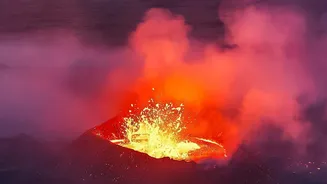
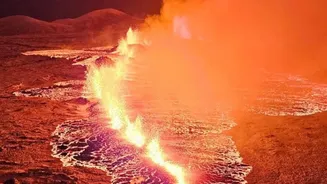
In January 2002, Mount Nyiragongo in the Democratic Republic of Congo unleashed a devastating eruption. Unlike the explosive eruptions of many volcanoes, Nyiragongo is known for producing extremely fluid and fast-moving lava flows. Fissures opened on the volcano's southern flank, releasing a torrent of lava that raced towards the city of Goma, home to hundreds of thousands of people. The lava destroyed about 15% of the city, including homes, businesses, and critical infrastructure like the Goma airport runway. Around 400,000 people were forced to evacuate. While initial reports varied, it is estimated that around 245 people died, many from asphyxiation by carbon dioxide gas or in the chaos of the evacuation as buildings collapsed. The disaster left an estimated 120,000 people homeless, demonstrating the unique danger posed by lava flows in urban areas.
Mount Semeru, Indonesia (2021)
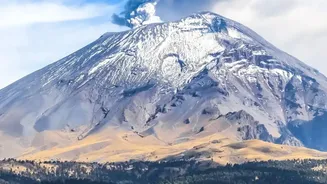
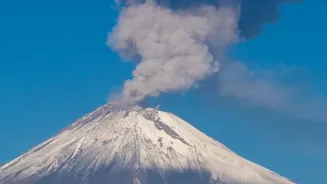
On December 4, 2021, Mount Semeru, the highest volcano on the island of Java, erupted violently. The eruption was triggered by the collapse of a lava dome at its summit following a period of heavy rain. This collapse unleashed a massive cloud of hot ash and pyroclastic flows that descended upon villages in the Lumajang regency of East Java. Entire communities were buried under thick layers of volcanic material, and relentless mudflows continued to hamper rescue efforts. The suddenness of the event caught many residents by surprise. Official reports confirmed that at least 69 people died, with many more injured, primarily from severe burns, and thousands were displaced from their destroyed homes. The disaster once again underscored the constant volcanic threat present across the Indonesian archipelago.