

The Skin-Boosting Power of Vitamin E
Vitamin E is a fat-soluble antioxidant that our bodies need but cannot produce on their own. Its primary job is to protect our cells from damage caused by free radicals—unstable molecules from pollution, UV rays, and normal metabolic processes that can lead
to premature aging. For the skin, Vitamin E is a hero ingredient. It helps strengthen the skin's natural barrier, which is crucial for locking in moisture and keeping irritants out. By fighting oxidative stress, it helps soothe irritation, protect collagen, and maintain skin's elasticity, contributing to a smoother and more youthful appearance.
Sunflower Seeds: A Nutritional Powerhouse
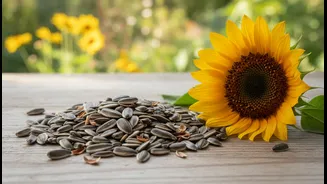
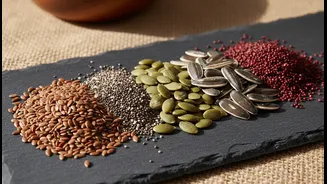
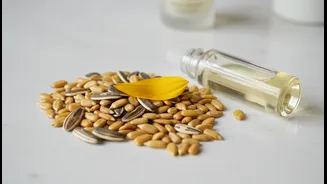
When it comes to dietary sources of Vitamin E, sunflower seeds are champions. Just a small serving of 28 grams (about 1/4 cup) can provide nearly half of your recommended daily intake of Vitamin E. But their benefits don't stop there. These tiny seeds are also a fantastic source of other skin-loving nutrients. They contain selenium, another powerful antioxidant that works with Vitamin E to protect cells. They're also rich in essential fatty acids like linoleic acid, which helps maintain the skin’s barrier and keep it hydrated. Add in zinc, which aids in healing and regulating oil production, and you have a truly nutrient-dense snack for your skin.
From Your Plate to Your Skin
When you consume Vitamin E through foods like sunflower seeds, it’s absorbed into your bloodstream and delivered to skin cells from the inside out. This systemic approach nourishes the deeper layers of the skin, providing a foundational level of antioxidant protection throughout the body. This internal support helps build resilient skin that is better equipped to repair itself and defend against environmental stressors. Dietary Vitamin E is found in our skin's natural oils, or sebum, creating a natural protective layer that helps keep skin moisturised. This internal nourishment is a long-term strategy, contributing to overall skin health and vitality over time.
Why Your Moisturiser Isn't Redundant
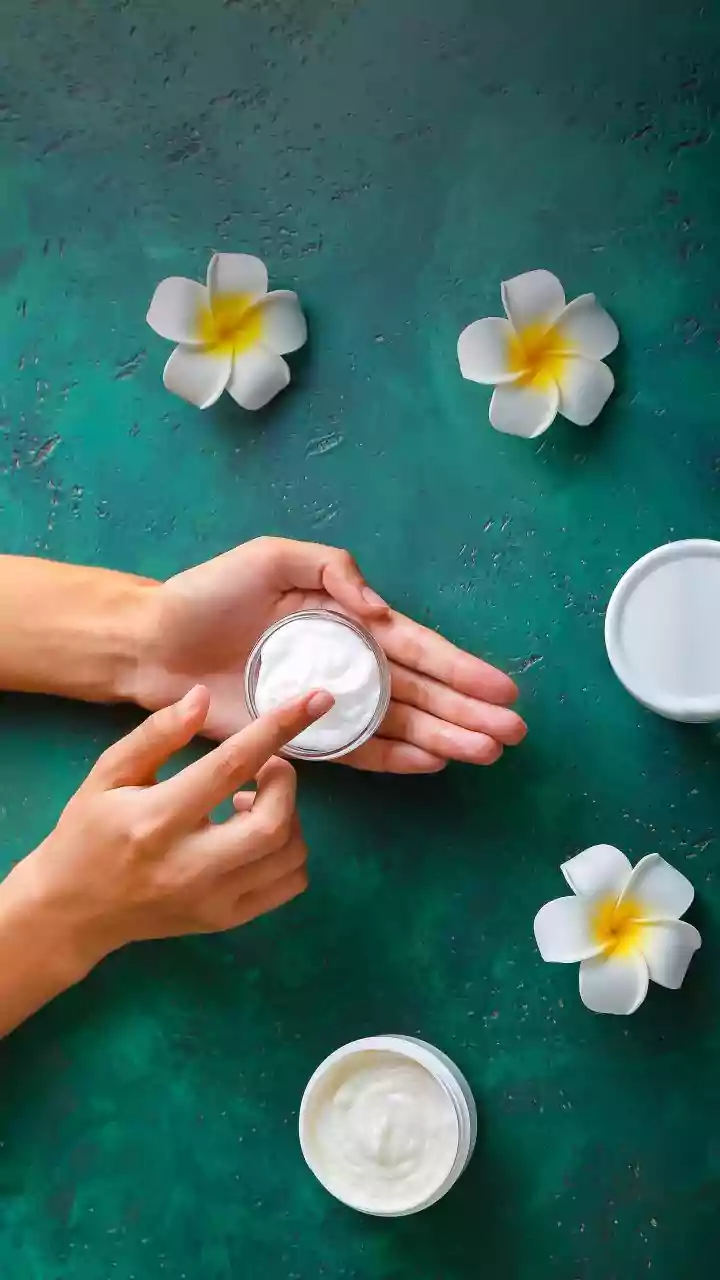
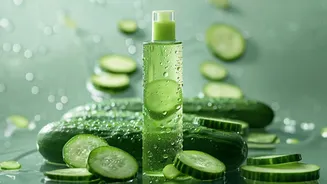
While eating your vitamins is essential, it doesn't mean you should toss your skincare products. Topical application and dietary intake serve different but complementary purposes. Skincare products deliver a high concentration of active ingredients directly to the surface and upper layers of the skin. This is crucial for addressing specific, immediate concerns like dryness, sun damage, or soothing irritation. For instance, a Vitamin E serum can provide a targeted antioxidant boost to the face to help neutralise free radicals from UV exposure more directly than diet alone can. Dietary Vitamin E reaches the skin, but the amount delivered may not be sufficient to tackle acute issues or compensate for depletion caused by sun exposure, which is where topical products become invaluable partners. Think of it this way: diet builds the foundation of the house, while skincare protects and maintains the exterior walls.
A Holistic Approach to Healthy Skin
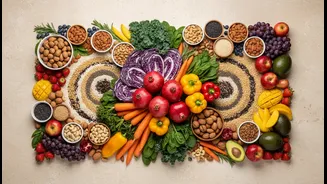
The secret to radiant skin isn’t a single ingredient or product, but a holistic lifestyle. Combining a nutrient-rich diet with a consistent skincare routine yields the best results. The Vitamin E from your sunflower seeds works from within to build strong, resilient cells. Your topical serums and moisturisers work from the outside to provide targeted protection and hydration. This powerful duo should also be supported by other healthy habits. Sunscreen is non-negotiable for protecting skin from UV damage. Staying hydrated, getting enough sleep, and managing stress are also crucial pieces of the puzzle. Together, these elements create a comprehensive strategy for skin that not only looks good but is genuinely healthy.
Simple Ways to Enjoy Sunflower Seeds
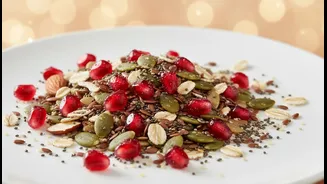
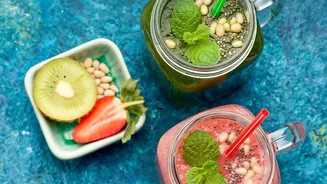
Ready to add this superfood to your diet? It’s incredibly easy. Sunflower seeds have a mild, nutty flavour that works in a variety of dishes. Try sprinkling them over your morning oatmeal, yoghurt, or smoothie bowl for a crunchy, nutritious topping. Add them to salads for extra texture or blend them into homemade dressings. You can also incorporate them into baked goods like muffins and bread or simply enjoy a small handful as a satisfying afternoon snack. A quarter-cup serving is all you need to get a significant boost of Vitamin E and other valuable nutrients.