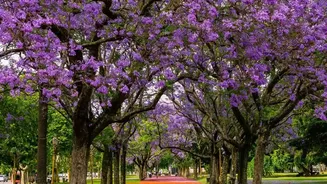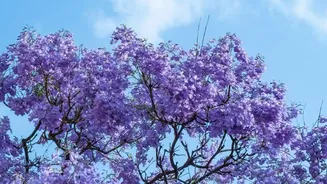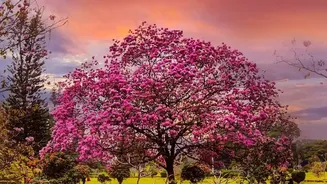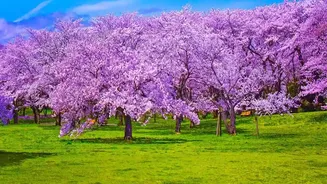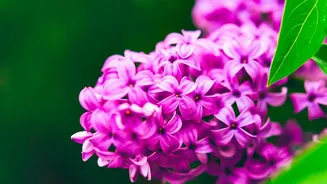


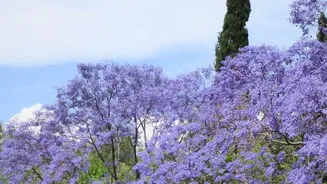
Every October and November, Sydney undergoes a magical transformation. A vibrant purple haze settles over the city as thousands of jacaranda trees burst into bloom, turning ordinary streets into breathtaking floral spectacles.
An Accidental Icon
Though they feel quintessentially
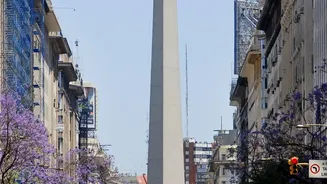
Sydney, jacaranda trees are not native to Australia. Hailing from South America, particularly Brazil and Argentina, the Jacaranda mimosifolia was introduced in the 19th century as an ornamental tree. The first specimens were likely planted in the Royal Botanic Garden around the 1850s, with their popularity spreading across the suburbs through beautification programs and nursery sales from the 1930s onwards. Thriving in Sydney’s climate, these imported beauties have become so intertwined with the city's identity that their annual bloom is a celebrated event, signaling the warm, bright days of summer are near.
The Social Media Effect
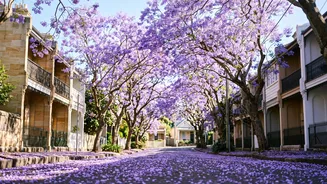
In recent years, the jacaranda season has exploded into a full-blown tourist phenomenon, thanks in large part to social media. Platforms like Instagram are flooded with images of the purple-canopied streets, turning specific locations into global must-visit photo opportunities. The most famous of these is McDougall Street in the lower north shore suburb of Kirribilli, where mature trees form a spectacular natural tunnel. The street becomes so popular that local councils often implement weekend road closures to manage the crowds of photographers, families, and tourists all vying for the perfect shot.
Kirribilli's Famous Purple Tunnel
For the ultimate jacaranda experience, McDougall Street is the undisputed epicentre. The arching branches create an immersive purple canopy that has become an iconic image of spring in Sydney. To make the most of a visit, it's best to arrive early on a weekday morning to avoid the largest crowds and find better light for photos. Given its popularity, consider taking public transport, as parking is extremely limited. A short walk from Milsons Point train station or the Kirribilli ferry wharf will get you there with ease. Remember that it is a residential street, so be mindful of traffic and residents' privacy while soaking in the beauty.
Beyond the North Shore
While Kirribilli gets most of the attention, the purple magic isn't confined to one street. The Eastern Suburbs offer a more relaxed viewing experience. The stylish streets of Paddington, especially around Oxford Street and Glenmore Road, are lined with stunning specimens. Further east, Double Bay and Woollahra also boast impressive displays. In the Inner West, suburbs like Glebe, Camperdown, and Newtown feature beautiful jacarandas set against historic terrace houses, offering a different but equally charming vibe. The University of Sydney's main quadrangle was famously home to a beloved jacaranda, and though the original fell in 2016, its clone continues the tradition.
A City-Wide Celebration
From the Royal Botanic Garden to Parramatta Park, jacarandas can be found across the entire metropolitan area. You can admire them with the Harbour Bridge as a backdrop at Lavender Bay or Circular Quay, or discover quieter clusters in suburbs like Hunters Hill and Gladesville. For those up for a drive, the town of Camden to the southwest has a notable corridor of trees, while Grafton in northern NSW is considered the jacaranda capital of Australia, holding an annual festival to celebrate the bloom. No matter where you are in Sydney during late spring, you're never far from this spectacular, fleeting floral show.