


Why We Crave Comfort
That sudden, near-universal craving for something hot, crispy, and fried when it rains isn't just a habit; it's rooted in biology and psychology. The drop in temperature and rise in humidity prompts the body to seek warm, energy-dense foods to regulate
its core temperature. Fried snacks like pakoras and samosas, served hot and rich in calories, are an instinctive answer to the damp chill. Furthermore, grey, overcast skies can lead to a dip in serotonin, the mood-regulating hormone. Foods high in fat and carbohydrates trigger a dopamine release, offering a quick mood lift that the brain actively seeks on a gloomy day. This biological pull is reinforced by culture, where the combination of chai and pakoras has become a deeply conditioned ritual, linking the sound of rain to the aroma of fried snacks.
An Ayurvedic Approach to Digestion
While cravings point one way, traditional Indian wisdom, particularly Ayurveda, suggests a more cautious approach. The monsoon season, or 'Varsha Ritu', is considered a time when the digestive fire, or 'Agni', is at its weakest. High humidity is believed to slow down digestive enzyme activity, making the system more sluggish. Consequently, Ayurveda recommends shifting towards foods that are light, warm, and easy to digest. This is why simple, freshly cooked meals become central. Heavy, raw, or stale foods are avoided in favour of preparations that support, rather than challenge, the digestive system. The emphasis is on boiled water, herbal teas, and simple meals like khichdi to maintain balance.
The Reign of Khichdi and Soups
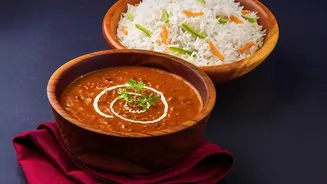
Across India, khichdi is widely regarded as the ultimate monsoon comfort food. This one-pot dish of rice and lentils, often moong dal, is easy to digest and provides a balanced mix of carbohydrates and protein. Seasoned with digestive spices like turmeric, cumin, and ginger, and often topped with a spoonful of ghee, it perfectly aligns with Ayurvedic principles for the season. Similarly, warm soups and broths see a surge in popularity. From the spicy, tamarind-based rasam in the South to simple vegetable stews, these liquid meals provide hydration and nutrition while being gentle on the stomach. Many households also rely on herbal drinks and teas made with ginger, tulsi, and cinnamon to boost metabolism and immunity.
Seasonal Produce Takes Center Stage
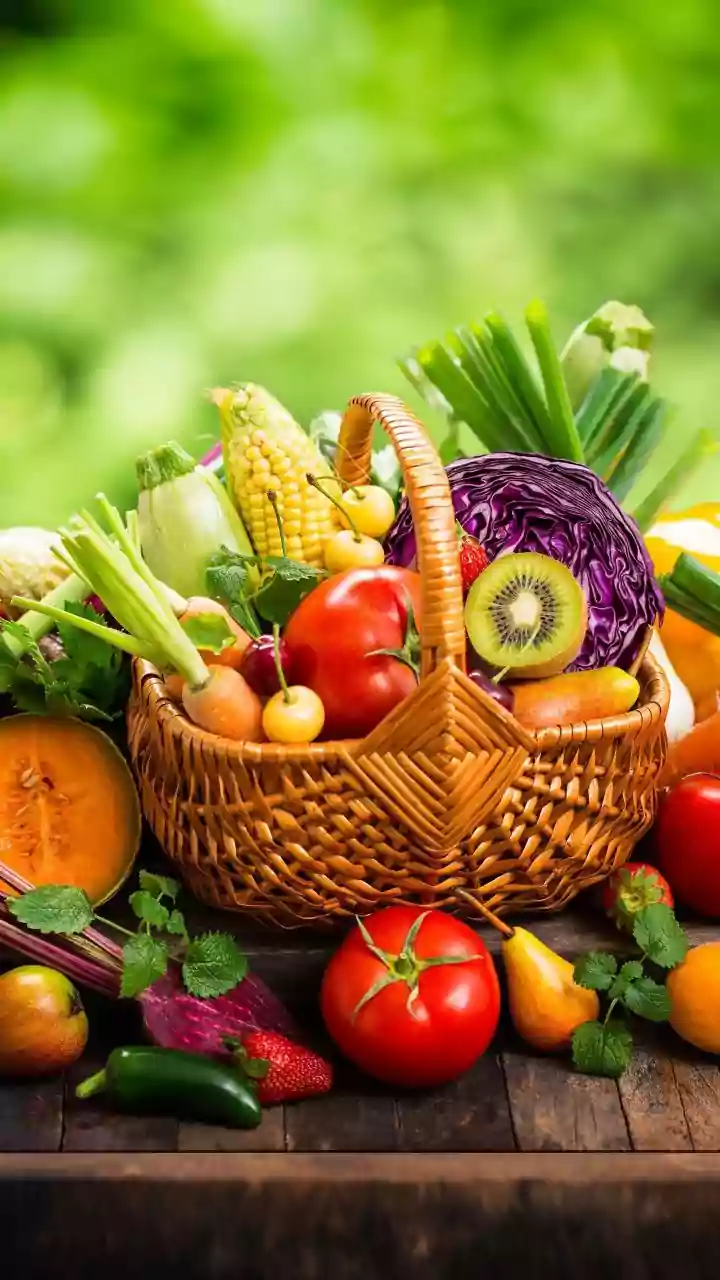
The monsoon harvest brings a specific bounty of vegetables and fruits that naturally find their way onto the plate. Gourds like bottle gourd (lauki), ridge gourd (turai), and bitter gourd (karela) are recommended as they are light and easy to digest. Root vegetables that are prone to contamination from damp soil are often used with caution. Conversely, roasted corn on the cob, or 'bhutta', becomes an iconic street-side snack, valued for its fibre and nutrients. Seasonal fruits such as jamun, pomegranate, apples, and pears are also favoured. These fruits are rich in vitamins and antioxidants, helping to strengthen the body's defences against common seasonal infections.
A Culinary Map of the Monsoon
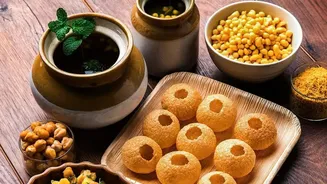
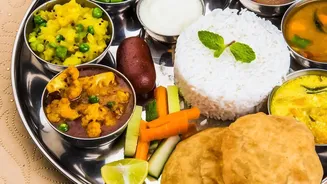
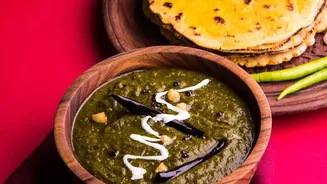
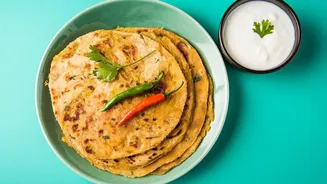
While the principles are similar, the expression of monsoon cooking varies beautifully across India's diverse regions. In Maharashtra, the craving for Kanda Bhaji (onion fritters) and Batata Vada is undeniable, while Pithla Bhakri offers a more grounding meal. Bengal celebrates with its iconic Khichuri, often served with fried eggplant or fish. In the South, steamed dishes like idiyappam and pepper-heavy rasam are staples. Gujarat favours steamed snacks like Patra and Handvo, which use colocasia leaves and lentil batters. In the North, a hearty plate of Chole Bhature or a simple Aloo Paratha provides comfort on a rainy day. Each region uses its local ingredients and culinary language to create dishes that are both comforting and seasonally appropriate.