



The chief of the International Energy Agency has issued a stark warning: even if the ongoing conflict in the Middle East de-escalates, the resulting global energy crisis could persist for years. What's behind this grim forecast?
The Core of the Warning
Speaking at the Singapore
International Energy Week, IEA Executive Director Fatih Birol stated that he sees no 'credible pathway' for energy markets to return to their pre-war conditions in 2027. His comments come as the conflict, which began in late February, has severely disrupted global energy flows, sending oil prices towards $120 a barrel. Birol urged governments and businesses to prioritise energy security, cautioning that the market has undergone structural changes. He noted that trust has become the 'most scarce commodity' in the energy world today, signalling a prolonged period of volatility and uncertainty.
More Than Just a Regional War
While the conflict is the immediate trigger, it is amplifying pre-existing weaknesses in the global energy system. The crisis has upended expectations of an energy surplus this year, instead creating significant tightness in the market. Birol pointed to several underlying issues, including a potential shortage of refined products like diesel as winter approaches in the Northern Hemisphere. European nations are particularly vulnerable after cutting gas imports from Russia, a situation now compounded by disruptions to liquefied natural gas (LNG) exports from key Gulf producers like Qatar and the UAE. These overlapping pressures mean that even a ceasefire may not bring immediate relief to energy consumers worldwide.
The Geopolitical Risk Premium
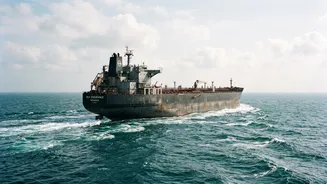
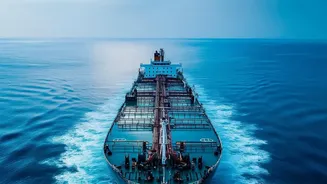
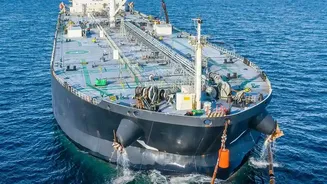
The Middle East is home to some of the world's most critical energy chokepoints, most notably the Strait of Hormuz. Roughly 20% of the world's LNG supply and a significant portion of global oil transited through this narrow waterway in 2025. The conflict has effectively weaponised this geography. The disruption to tanker traffic has been described by the IEA as the largest single shock to the oil market in history. While some Gulf producers have managed to reroute supplies and restore a portion of their exports, the risk premium remains high. This 'risk premium' is the extra cost baked into every barrel of oil to account for potential future disruptions, keeping prices stubbornly high even when direct fighting subsides.
The Ripple Effect on India
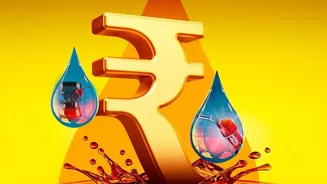
For India, a nation heavily dependent on energy imports, these global tremors have direct and significant consequences. Higher global crude prices translate directly into higher import bills, putting pressure on the country's trade deficit and foreign exchange reserves. While Indian refiners have recently increased crude imports from the Middle East, taking advantage of recovering flows and regional discounts, the overall market remains volatile. Russia's share in India's import basket has dipped as soaring freight costs and war-risk insurance make longer voyages less economical compared to supplies from the Gulf. Ultimately, sustained high oil prices risk stoking inflation, impacting everything from transportation costs to the price of everyday goods, affecting households and businesses across the country.
A Forced Energy Transition
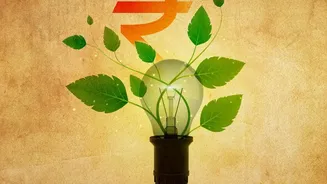
One long term consequence of the crisis, according to Birol, is an acceleration of the global shift toward electricity. He noted that the world is 'entering the age of electricity' faster than anticipated, as countries scramble for energy security. This has led to a 'strong comeback' for nuclear power, with about 90 gigawatts of new capacity currently under construction worldwide, the most in four decades. The crisis is forcing a fundamental rethink of energy strategy, pushing nations to diversify away from volatile fossil fuel markets and build more resilient, often more localised, power systems. However, this transition will take years and significant investment, offering little comfort during the current period of instability.