




The AI Gold Rush
The primary catalyst for this unprecedented spending is the artificial intelligence revolution. As companies across the globe race to integrate generative AI and other machine learning capabilities, the demand for specialised, high-performance computing
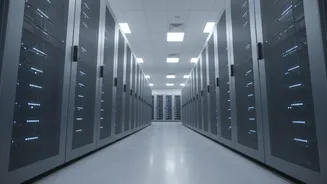
infrastructure has exploded. According to Gartner analyst John-David Lovelock, building the compute capacity for AI is “the largest infrastructure project ever attempted by humanity.” This isn't just about adding more servers; it's about deploying next-generation hardware, including powerful GPUs and accelerators, that can handle the intensive workloads required for training and running complex AI models. Hyperscalers and large enterprises are leading this charge, rapidly expanding their data centre capacity to stay competitive.
Anatomy of the $822 Billion Spree
The $822 billion figure specifically targets data centre systems, which includes servers, external storage arrays, and networking equipment. This segment is projected to see a massive 62.5% jump in spending in 2026, making it the fastest-growing area in all of IT. This surge is part of a broader trend that will see total worldwide IT spending climb to $6.37 trillion in 2026. While other areas like IT services and software will also grow, their pace is dwarfed by the investment being poured into the physical hardware that forms the backbone of the digital world. This reflects a major re-prioritisation of IT budgets, as funding is increasingly channelled towards foundational AI infrastructure.
India's Data Centre Boom
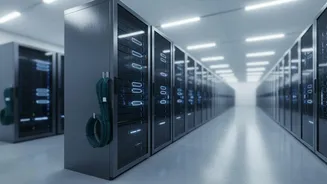
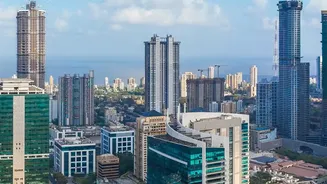
This global trend is strongly mirrored in India, which is rapidly emerging as one of the most significant growth markets for digital infrastructure in the Asia-Pacific region. The nation's data centre capacity is expected to more than double between 2023 and 2026. This expansion is driven by a confluence of factors, including accelerating AI adoption, cloud migration, government digitization initiatives, and data localization policies like the Digital Personal Data Protection Act. Major tech giants and domestic players are investing billions, with significant projects underway in hubs like Mumbai, Chennai, Hyderabad, and Bengaluru. Mumbai is on track to surpass 1 GW of operational capacity by the end of 2026, cementing its role as a primary data centre market in the region.
Challenges on the Horizon
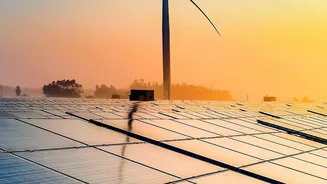
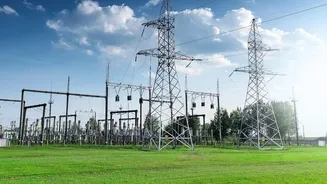
This explosive growth is not without its challenges. The insatiable demand for computing power brings with it an equally massive demand for electricity, straining power grids and raising environmental concerns. Data centres built for AI are far more power-hungry than traditional facilities, requiring advanced cooling solutions and, increasingly, their own dedicated power sources. Furthermore, the industry faces pressures from supply chain constraints, rising costs for hardware and memory, and a persistent shortage of skilled talent to build and manage these complex facilities. Navigating these hurdles will be critical for sustaining the current pace of expansion.