



The Myth of Mandatory Slowness
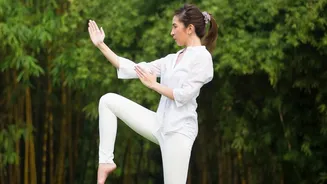
For years, the wellness world has paired relaxation with slowness. We picture serene yoga poses, mindful stretching, and leisurely strolls through nature as the ultimate antidotes to a stressful day. While these gentle activities are undoubtedly beneficial
for many, they represent only one side of the story. The prevailing myth is that to calm the mind, you must first slow the body. This overlooks a powerful truth known to runners, dancers, boxers, and HIIT enthusiasts: sometimes, the best way to achieve mental stillness is through intense, vigorous movement. Forcing a racing mind into a slow activity can sometimes backfire, leading to more frustration and mental chatter. The real key to relaxation is not pace, but engagement. It is about finding an activity that fully absorbs your attention, providing an escape from the cycle of anxious thoughts.
The Science of Active De-Stressing
The idea that intense exercise can be calming is rooted in science. When you engage in vigorous physical activity, your body undergoes significant chemical changes. It reduces the levels of stress hormones like adrenaline and cortisol. At the same time, it stimulates the production of endorphins, the brain’s natural painkillers and mood elevators. This is the mechanism behind the famous “runner’s high,” a state of euphoria and calm that often follows a hard workout. Regular high-intensity exercise can also improve your body's overall resilience to stress over time. By temporarily mimicking the fight-or-flight response in a controlled way, you are essentially training your nervous system to recover from stressful events more efficiently. This means that over time, daily stressors may feel less overwhelming.
Finding Your Focus Through Flow
One of the most profound psychological benefits of active exercise is its ability to induce a “flow state.” Coined by psychologist Mihaly Csikszentmihalyi, flow is the experience of being completely immersed in an activity. When you are “in the zone,” your focus narrows, your sense of self-consciousness fades, and time seems to melt away. Repetitive, rhythmic activities that challenge your skills without overwhelming them are perfect for achieving flow. Think of the steady rhythm of your feet hitting the pavement on a long run, the coordination required in a dance routine, or the focus needed to hit a punching bag. In this state, your brain has no room for anxious what-ifs or lingering worries; it is entirely dedicated to the present moment. This form of active meditation can be incredibly restorative, offering a true mental break that leaves you feeling refreshed and clear-headed.
High-Energy Paths to a Calm Mind
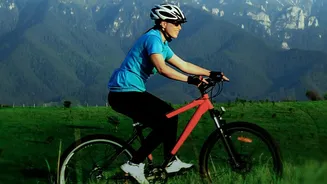
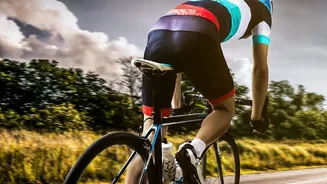
If slow stretching leaves you feeling more antsy than angelic, there is a wide world of active relaxation to explore. The goal is to find something that challenges you just enough to demand your full attention. High-Intensity Interval Training (HIIT) involves short bursts of all-out effort followed by brief recovery periods. The intensity makes it nearly impossible to think about anything other than getting through the next interval. Boxing or martial arts require a powerful mind-body connection, focusing your energy and providing a physical release for frustration. Running or cycling, especially over long distances, allows you to settle into a rhythm that can be deeply meditative. Even a fast-paced team sport or a vigorous dance class can absorb your focus and flood your system with mood-boosting chemicals, helping to clear your mind.
Finding Your Personal Relaxation Equation
Ultimately, relaxation is not a one-size-fits-all prescription. The most effective way to de-stress is deeply personal and can change from day to day. Some days, your body and mind might crave the gentle restoration of a yoga class or a quiet walk. This is often called passive recovery, and it's essential for healing both physical and mental exhaustion. On other days, especially when you feel restless, anxious, or full of pent-up energy, active recovery might be the answer. The key is to listen to your body. Pay attention to what you truly need in the moment rather than what you think you should be doing. Do you need to burn off steam, or do you need to be still? Do you need distraction, or do you need quiet contemplation? By giving yourself permission to find relaxation at any speed, you open up a much wider range of tools for managing stress and enhancing your well-being.