






Decoding the New Rules
The Food Safety and Standards Authority of India (FSSAI) has circulated a draft amendment aimed squarely at how paneer is labelled and sold. The proposal, titled the Food Safety and Standards (Prohibition and Restrictions on Sales) Amendment Regulations,
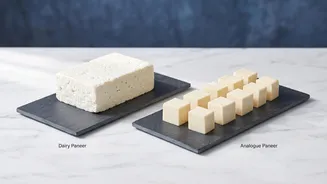
2026, intends to prohibit products from being called 'paneer' if they are not made from milk. According to the draft, any product currently licensed under the 'Analogue in Dairy Context' category must stop using the term 'paneer' on its packaging, labels, and in marketing materials. This move specifically targets products that substitute milk fat and protein with vegetable oils, starches, and plant proteins to mimic the real thing. The core objective is to prevent consumers from being misled about the product's true composition. Stakeholders have been given a 60-day window to provide feedback on the proposal before it is finalised.
What Is 'Analogue' Paneer?
The term 'analogue' might sound technical, but the concept is simple. An analogue in a dairy context, as defined by FSSAI, is a product where non-milk ingredients replace some or all of the milk components, yet the final item resembles a traditional dairy product in look, feel, and function. In the case of analogue paneer, this typically means milk fat has been swapped out for cheaper vegetable oil or fat. It is important to note that an analogue product is not necessarily illegal or unsafe, as FSSAI has a recognized category for them. The regulatory issue arises when these lookalikes are sold or served as 'paneer' without clear disclosure, blurring the lines for consumers who expect a traditional milk-based product. This is why the rules distinguish between 'analogue paneer' and 'fake paneer'—the former is a substitute, while the latter could imply adulteration with inedible ingredients.
A Push for Consumer Clarity
The FSSAI's move comes after growing concerns about misleading practices in the food market. Several states, including Maharashtra, Karnataka, Gujarat, and Chhattisgarh, have already taken action, imposing their own bans or restrictions on the sale of analogue paneer. In Maharashtra, for instance, a one-year ban was issued after tests revealed that over 35% of paneer samples failed quality standards, often due to adulteration with vegetable fat. The national draft regulation is a response to this patchwork of state-level rules and aims to create a uniform standard across the country. The problem is particularly noticeable at the food service level, where a customer ordering a paneer dish at a restaurant may have no way of knowing if an analogue substitute is being used. This push for transparency has even led food delivery platforms like Zomato to delist dishes that use analogue dairy without proper declaration.
Impact on Consumers and Industry
For consumers, this proposed regulation is a significant win. It empowers them to make informed choices, ensuring that when they pay for paneer, they are getting a genuine milk product. With clear labelling, buyers can easily distinguish between traditional paneer and its non-dairy alternatives. For the industry, the changes will require adaptation. Manufacturers of analogue products will need to rebrand and relabel, removing the word 'paneer' from their marketing entirely. While this presents a challenge, it also creates an opportunity for brands selling authentic dairy paneer to reinforce their messaging around purity and quality. The packaged paneer market in India was valued at ₹731.4 billion in 2025, and stricter enforcement could drive more consumers from the unorganised sector toward trusted, branded products. Restaurants and caterers will also need to be more transparent, potentially updating menus to specify when a non-dairy analogue is used.