






The Power Trio: Protein, Fats, and Texture
A good breakfast should do more than just taste good; it needs to provide sustained energy. This is where nut butters shine. They deliver a powerful combination of protein, healthy fats, and fibre. Protein is crucial for feeling full and satisfied, which
can help prevent mid-morning snack attacks. The healthy fats, primarily monounsaturated and polyunsaturated fats, are not only good for heart health but also provide a slow-burning source of energy to keep you focused. This combination helps to stabilise blood sugar levels, avoiding the sharp spikes and subsequent crashes that can come from a breakfast high in simple carbohydrates. Furthermore, the texture of nut butter—whether creamy or crunchy—adds a sensory satisfaction to your meal that can make simple foods like yoghurt or oatmeal feel more substantial and enjoyable.
A Guide to the Nut Butter Aisle
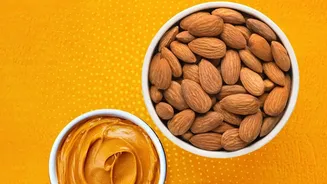
While peanut butter is a classic, the world of nut spreads is vast and varied. Almond butter, for instance, is an excellent source of vitamin E and magnesium. Walnut butter stands out for its high content of omega-3 fatty acids, a type of polyunsaturated fat crucial for brain health. Cashew butter is known for its exceptionally creamy texture and is a good source of copper and iron. Each type of nut butter offers a slightly different nutritional profile and flavour, from the earthy taste of almond butter to the naturally sweeter notes of cashew butter. The best choice often depends on your personal health goals and taste preferences, but exploring different varieties is a great way to diversify your nutrient intake.
How to Choose a Healthy Spread
Not all nut butters are created equal. Many commercial brands contain added sugars, hydrogenated oils, and preservatives that can diminish their health benefits. When shopping, the most important thing to do is read the ingredient list. The healthiest options will have the shortest lists—ideally, just nuts and perhaps a pinch of salt. Be wary of terms like 'no-stir', as this often indicates the presence of added oils like palm oil, which are used as emulsifiers to prevent the natural oil separation. A natural nut butter will separate, with a layer of oil rising to the top; this is a good sign and just requires a quick stir before you enjoy it. Always check the nutrition facts for added sugars, which can be listed under various names like cane sugar or high-fructose corn syrup.
Creative Breakfast Ideas Beyond Toast
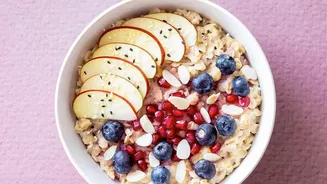
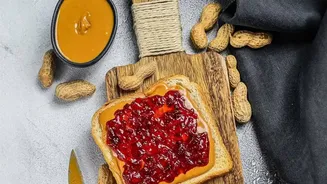
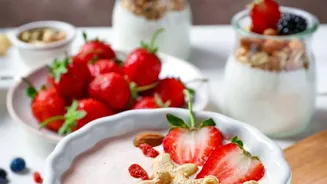
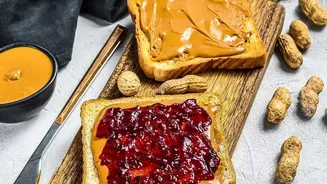
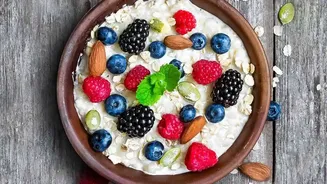
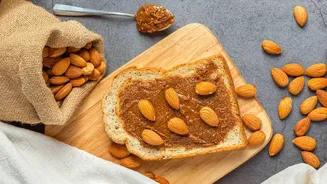
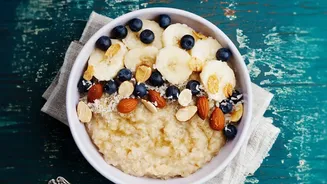
While a spoonful on whole-grain toast is a timeless classic, there are many other ways to incorporate nut butters into your breakfast. For a quick and creamy boost, swirl a tablespoon of almond or cashew butter into your morning oatmeal or Greek yoghurt. This not only adds flavour but also a satisfying dose of protein and fat. In smoothies, nut butter can provide a rich, creamy texture and help make the drink more filling; it pairs particularly well with bananas, berries, and spinach. For a grab-and-go option, use nut butter as a dip for apple slices or celery sticks. You can also blend it with ripe bananas and eggs to create a simple, grain-free pancake batter for a special weekend treat.