






A Nationwide Food Safety Crackdown
With the demand for sweets, dairy products, and cooking oils skyrocketing during festival periods, India's food safety watchdog has significantly increased its vigilance. In the fiscal year 2025-26, the Food Safety and Standards Authority of India (FSSAI),
in close partnership with state authorities, conducted nearly 4 lakh inspections of food businesses across the country. While the headline figure points to over 5.2 lakh inspections, official data for the year confirms a massive enforcement drive that signals a tougher stance on compliance. During this period, authorities analysed over 1.65 lakh food samples, finding more than 17% to be non-conforming, which led to immediate regulatory action. This aggressive posture is a direct response to the perennial problem of adulteration, which sees unscrupulous vendors cutting corners for financial gain, often at the expense of public health. The responsibility for this on-ground enforcement, including inspections and licensing, lies mainly with the states, who oversee nearly 98% of all food business operators.
What Are Officials Looking For?
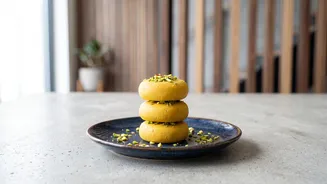
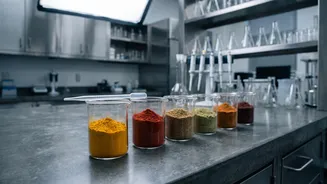
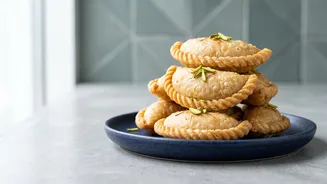
The enforcement drives specifically target high-risk food categories that are in peak demand during festivals. Topping the list are milk and milk products like khoya, paneer, and ghee, which are notorious for adulteration. Khoya is often bulked up with starch, while milk can be diluted with water or, more dangerously, contaminated with detergent and urea. Sweets are another major focus, with officials checking for the use of non-permitted, vibrant artificial colours and fake silver foil (vark), which may be substituted with cheaper and toxic aluminium. Edible oils, spices, and flours used for festive snacks also come under the scanner. Recent raids in the lead-up to the current festive season have uncovered and destroyed thousands of kilograms of suspected adulterated paneer and khoya in Delhi-NCR alone, highlighting the scale of the problem.
Your First Line of Defence: The Label
While authorities are stepping up enforcement, consumers are urged to be the first line of defence. The most powerful tool at your disposal is the information on the product label. Always look for the FSSAI license number on packaged goods, which indicates that the operator is registered and subject to regulation. Pay close attention to the manufacturing date and the 'best before' or expiry date, especially for items with a short shelf life like sweets and dairy products. Checking the ingredient list can also reveal suspicious substances or substitutions. Being a vigilant consumer and choosing products with clear, comprehensive labelling from licensed sellers is a critical step in protecting your family's health.
Choose Your Seller Wisely
The advice to buy from 'trusted sellers' is more than just a catchphrase. It means prioritising licensed shops with a reputation for quality and hygiene over unknown vendors offering suspiciously low prices. High-turnover shops are generally a safer bet, as their stock is more likely to be fresh. FSSAI is also using 'Food Safety on Wheels' (FSW) mobile testing labs in prominent marketplaces to conduct on-the-spot tests and build consumer confidence. When buying sweets or snacks, observe the general cleanliness of the shop. Avoid products with unnaturally bright colours, as these may contain harmful industrial dyes.
Simple Tests You Can Do at Home
FSSAI has published a manual called DART (Detect Adulteration with Rapid Test) to empower consumers to check for common adulterants at home. For instance, you can detect starch in milk or khoya by boiling a small sample with water, letting it cool, and adding a few drops of iodine solution; a blue colour indicates the presence of starch. To check for water in milk, put a drop on a polished, slanting surface. Pure milk flows slowly, leaving a white trail, whereas milk adulterated with water will flow immediately without leaving a mark. You can test for artificial colours in green vegetables by rubbing a piece of cotton soaked in water or oil on the surface; if the cotton picks up colour, the item is adulterated. These simple checks can provide an extra layer of assurance during your festive preparations.