



A Sliver of Water, A Global Lifeline
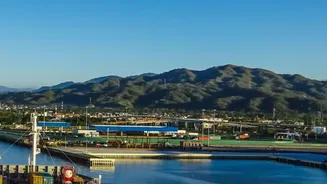
The Strait of Hormuz is a narrow sea passage linking the Persian Gulf with the Gulf of Oman and the Arabian Sea. At its narrowest point, it is only about 34 kilometres wide, with shipping traffic confined to two-mile-wide lanes for inbound and outbound
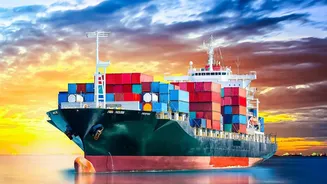
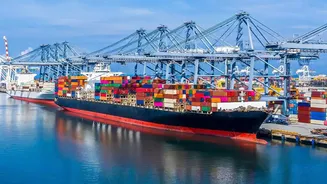
vessels. Bordered by Iran to the north and Oman to the south, it is the only sea route out of the Persian Gulf, making it an unavoidable chokepoint for the region's energy exporters. Countries like Saudi Arabia, the UAE, Kuwait, Iraq, and Qatar depend on this strait to ship their crude oil and liquefied natural gas (LNG) to the world. A significant portion of these exports, about 80%, are destined for ravenous Asian markets, including major economies like China, India, Japan, and South Korea.
The Rise of a Strategic Chokepoint
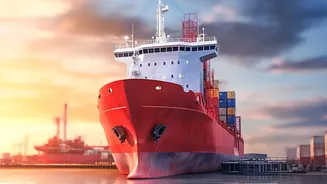
While the strait has been a trade route for millennia, its modern strategic importance was cemented in the 20th century with the discovery of massive oil reserves across the Persian Gulf. As global energy demand skyrocketed after World War II, the region transformed into the epicentre of the world's oil economy. The development of very large crude carriers (VLCCs) in the 1960s allowed producers to ship oil more efficiently over long distances, further concentrating tanker traffic through Hormuz. The 1970s oil shocks highlighted just how dependent the world had become on these shipments, solidifying the strait's status as a point of immense geopolitical and economic leverage.
By the Numbers: An Energy Superhighway
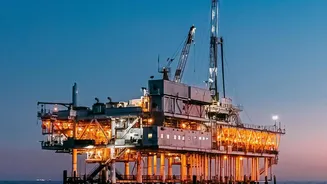
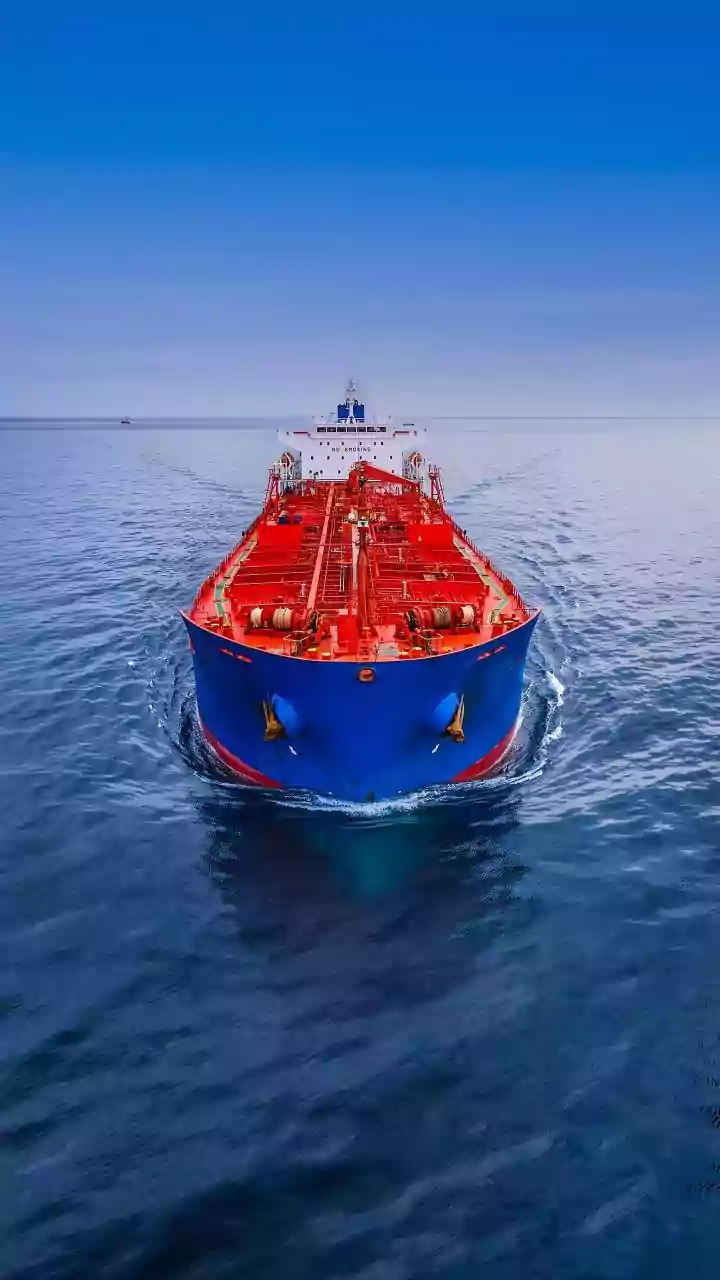
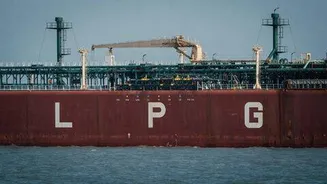
The sheer volume of energy passing through Hormuz is staggering. On an average day, around 20 million barrels of oil and petroleum products transit the waterway. This flow represents roughly one-fifth of global petroleum consumption and about a quarter of all seaborne oil trade. Saudi Arabia is the largest single exporter through the strait, followed by Iraq, the UAE, Iran, and Kuwait. Beyond oil, the strait is also crucial for the natural gas market, carrying nearly 20% of the world's LNG, primarily from Qatar and the UAE.
A Flashpoint for Geopolitical Risk
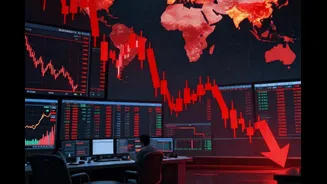
This concentration of a vital resource in a single, narrow channel creates inherent vulnerability. The strait’s location has long placed it at the center of regional tensions, most notably involving Iran, which has repeatedly threatened to disrupt or close the waterway. The most significant historical disruption was the “Tanker War” of the 1980s, during which both Iran and Iraq attacked oil tankers, prompting international naval forces to intervene to protect commercial shipping. These events established a lasting precedent for military presence in the region to ensure freedom of navigation. Today, any hint of conflict or instability in the strait sends shockwaves through global energy markets, causing oil prices to spike and raising maritime insurance costs.
India’s Critical Stake in Hormuz
For India, the stability of the Strait of Hormuz is not a distant concern but a core element of its energy and economic security. As a nation that imports over 80% of its crude oil, a substantial portion—estimated between 40-50%—arrives via this route. A blockade would immediately threaten these supplies, likely leading to higher fuel prices and inflation across the Indian economy. The strait is also a key artery for LNG imports, vital for India’s power and industrial sectors. Consequently, India maintains a strategic watch over the region, often deploying naval assets to safeguard its merchant vessels and underscore its commitment to maritime security.
Searching for Alternatives
The perpetual risk associated with Hormuz has pushed major producers to seek bypass routes. Saudi Arabia operates an East-West pipeline that can transport oil to the Red Sea, while the UAE has a pipeline to the port of Fujairah on the Gulf of Oman, just south of the strait. Iraq has also explored reviving pipelines to ports in Turkey and Jordan. However, these alternatives have limited capacity and cannot fully replace the massive volumes shipped through the strait. While new projects are being planned, for the foreseeable future, the global energy market remains fundamentally reliant on safe passage through this critical chokepoint.