




Why Try Beetroot?
Before you start, it’s helpful to know what you’re working with. Beetroot is a gentle, plant-based alternative to synthetic dyes, making it ideal for those with sensitive skin or who want to avoid harsh chemicals. The deep red pigments, called betalains,
are what provide the colour. Beyond the tint, beetroot is also packed with nutrients like iron, vitamins, and antioxidants that can nourish the scalp and hair. This isn't a permanent dye; think of it as a temporary colour boost that provides a subtle reddish or burgundy hue, most visible on lighter hair or in sunlight. The colour typically lasts for a handful of washes.
Gather Your Mess-Proofing Kit
The headline doesn't lie: preparation is everything. That vibrant crimson juice loves to stain skin, clothes, and bathroom surfaces. Before you even think about mixing your dye, gather your supplies. You will absolutely need disposable gloves—do not skip this step. Designate an old, dark-coloured towel that you don't mind sacrificing to the cause, and wear an old t-shirt. It’s also wise to apply a barrier cream like petroleum jelly or coconut oil along your hairline, on your ears, and around your neck to prevent the juice from staining your skin. Finally, have a shower cap or some plastic wrap ready to cover your hair while the colour sets.
Preparing the Beetroot Dye
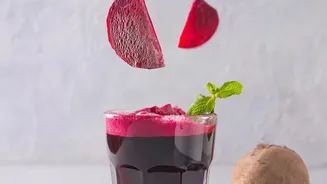
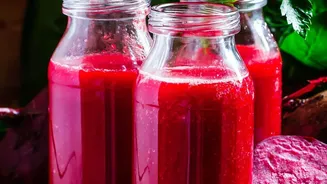
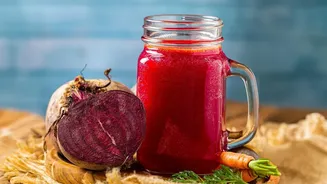
The simplest way to create your dye is by using fresh beetroot juice. You can use a juicer or simply peel, chop, and blend one or two beetroots with a small amount of water to create a smooth purée. Strain the mixture through a cheesecloth or fine sieve to remove the pulp, leaving you with pure, concentrated juice. To enhance the mixture, many guides recommend adding a carrier oil like coconut or olive oil. This not only adds moisture and shine but can also help the mixture spread more evenly through your hair and potentially make the colour last a little longer. A good ratio is about three tablespoons of oil for every cup of beetroot juice.
The Application Process
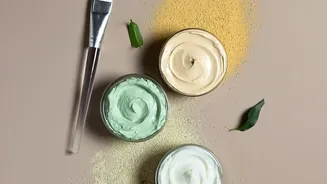
With your gloves on and old towel draped over your shoulders, it's time to apply the dye. For best results, start with clean, dry, and detangled hair. You can apply the mixture with your hands or an applicator brush, working in sections to ensure even coverage from root to tip. A wide-toothed comb can help distribute the dye evenly throughout your hair. Once your hair is fully saturated, pile it on top of your head and cover it with a shower cap. This traps heat, which can help the colour develop, and most importantly, prevents you from dripping red juice all over your home.
Patience and Rinsing
Now, you wait. How long you leave the mixture in depends on the desired intensity. A minimum of one to two hours is generally recommended, but some people leave it on for much longer for a deeper colour. Since it's a natural and mild dye, you can't really overdo it. When it's time to rinse, do so with cool or lukewarm water. Avoid shampooing immediately if you can; rinsing with water only will help the colour set. Be prepared for the water to run pink for a while. To protect your towels and pillowcases, it's a good idea to gently squeeze out excess water and blow-dry your hair, especially the first time.
Managing Expectations and Aftercare
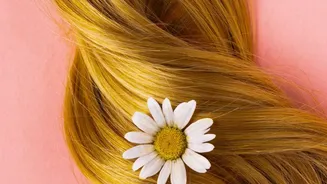
The final result will vary based on your starting hair colour. On light brown or blonde hair, you might see a noticeable pink or red tint. On darker hair, the effect will be a more subtle purplish-red sheen that catches the light. To make the colour last, wash your hair as infrequently as possible using a gentle, sulfate-free shampoo and cool water. Heat styling can also cause the colour to fade faster. Because beetroot can be slightly drying for some, using a moisturizing hair mask a few days after colouring is a good way to restore shine and hydration.