

Ditching the 'Single-Use' Splurge
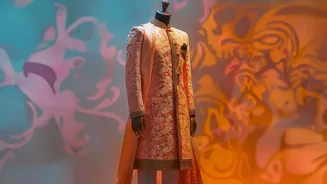
The core of this fashion revolution is a pragmatic and sustainable mindset. For many young people, the idea of spending a significant amount of money on a lavish lehenga or sherwani that can only be worn for a few hours feels outdated and wasteful. Gen
Z, a generation acutely aware of sustainability and conscious consumption, is leading the charge away from this model. They are looking for value beyond a single event, seeking clothes that can be integrated into their everyday lives. This shift is less about rejecting tradition and more about making it practical for a modern lifestyle that juggles college classes, social gatherings, and family events, often in the same week. The question is no longer just "What do I wear to the wedding?" but "How can I wear this again?"
The Art of the Remix
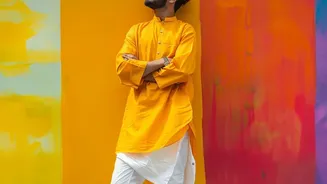
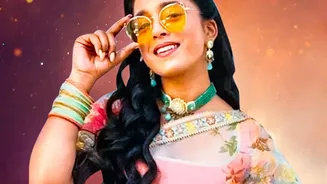
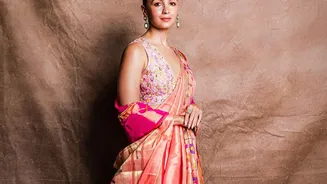
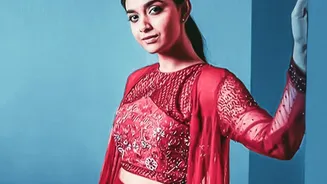
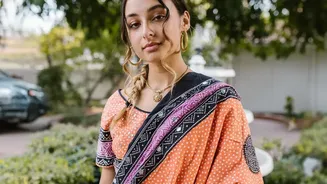
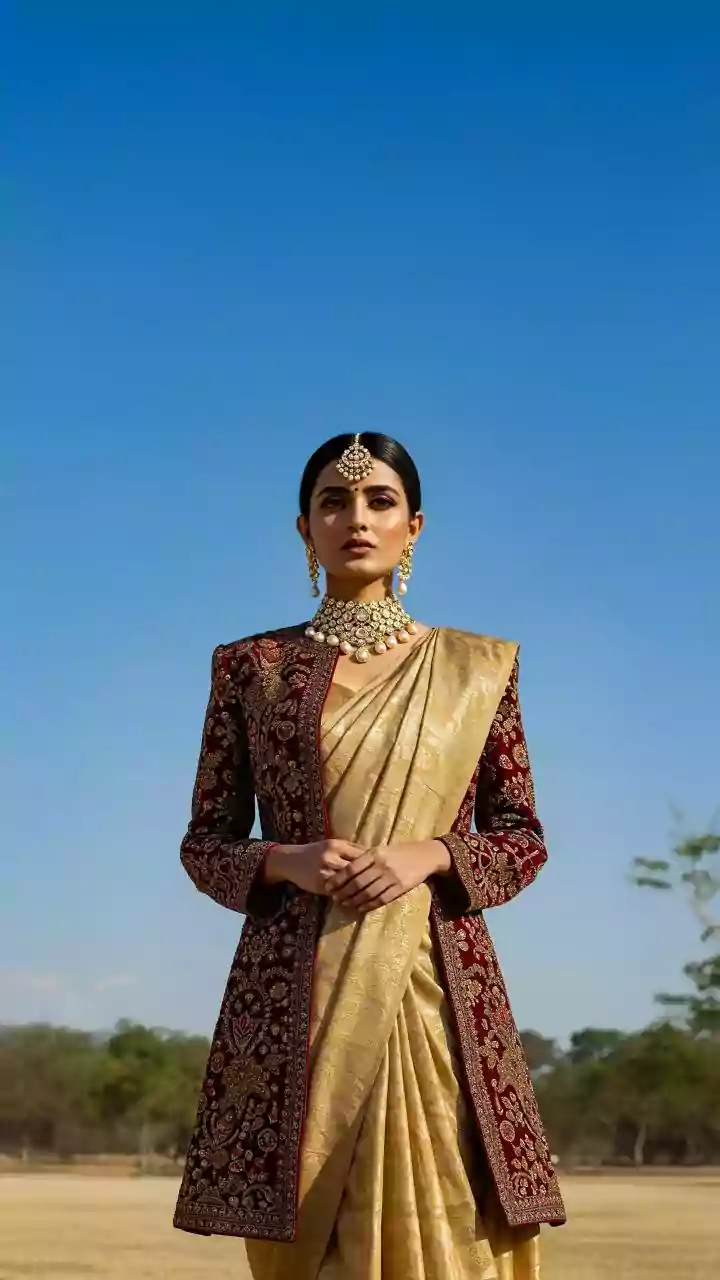
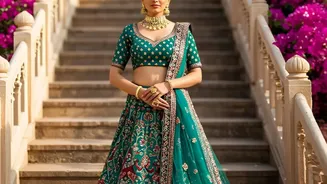
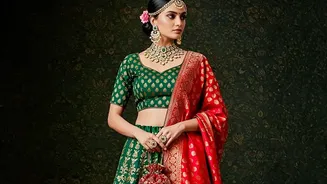
Versatility is achieved through creative styling and the art of the mix-and-match. The distinction between 'Indian' and 'Western' wardrobes is becoming increasingly blurred. A heavily embroidered lehenga skirt might be paired with a simple black crop top or even a crisp white shirt for a friend's party. A traditional kurta finds a new life tucked into a pair of jeans or worn over a dress. Even dupattas (long scarves) are being repurposed, draped over blazers or styled as accessories with contemporary outfits. This Indo-Western fusion allows for personal expression while maximizing the wearability of each garment. Brands and designers are taking note, offering coordinated sets and separates—like crop tops with matching palazzo pants or jackets—that are intentionally designed to be broken up and styled individually.
Comfort Is the New Bling
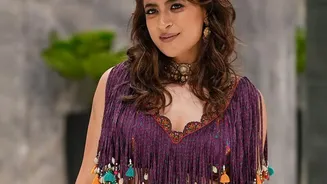
This new wave of festive fashion also prioritizes comfort. The days of suffering in heavy, restrictive fabrics are numbered. Gen Z prefers lighter, more breathable materials like organic cotton, chiffon, and organza that allow for movement and ease. This doesn't mean sacrificing glamour, but rather redefining it. Instead of being weighed down by heavy embroidery, the focus might shift to a dramatic sleeve, a modern silhouette like a halter neck kurta, or a unique print. Practical details, once unheard of in elaborate festive wear, are now celebrated—the most notable being the triumphant addition of pockets to lehengas, a small but significant symbol of this practical, comfort-first approach.
Heritage as Identity, Not Obligation
Ultimately, this makeover of Indian festive fashion is about cultural ownership. Gen Z is not diluting their heritage; they are actively engaging with it and making it their own. By deconstructing traditional outfits and reassembling them in ways that reflect their personal style and values, they are ensuring that these beautiful crafts and textiles remain relevant. They wear these pieces with a sense of cultural pride, not as a costume for a special occasion, but as an authentic part of their identity. It's a dynamic conversation between the past and the present, proving that tradition doesn't have to be static. It can be just as fluid, creative, and vibrant as the generation that is currently redefining it.