


Why Damaged Vegetables Are Vulnerable
Think of a vegetable's skin as its armour. It’s a natural barrier designed to protect the tender, water-rich flesh inside from the outside world. When a vegetable is bruised from being dropped or develops a tiny hole from an insect bite, this protective
layer is broken. Bruising might not break the skin, but it crushes the cells underneath, creating a soft, compromised area. These breaches, whether visible or not, become open invitations for microscopic organisms like bacteria and mould. These microbes are always present in the environment, but a healthy, intact vegetable skin keeps them out. Once that defence is down, spoilage is not just possible, but probable.
How Wet Weather Accelerates Spoilage
Wet and humid weather, a hallmark of the Indian monsoon, creates the perfect breeding ground for these microbes. High humidity in the air means there's more moisture available, and this moisture can settle on the surface of vegetables. For a bruised or damaged vegetable, this is a recipe for disaster. Water acts like a highway, allowing bacteria and fungal spores to travel directly into the vulnerable, exposed flesh. The combination of a wound (the damage) and a moist environment (the humidity) dramatically speeds up the process of decay. This is why produce that might last a week in dry weather can turn mushy or mouldy in just a couple of days during the rains.
Distinguishing Blemishes from Bad News
Not every imperfection is a sign of impending doom. It’s important to know the difference between a harmless cosmetic flaw and damage that will lead to rapid decay. Odd shapes, strange colours, or superficial scars are often just signs of a vegetable's life in the field and don't affect its taste or longevity. However, you should be wary of deep bruises that feel soft or mushy, cuts that break the skin, or areas that are visibly weeping or discoloured. These are the entry points for spoilage. If a spot is dark and soft, or if there's any sign of mould, it's a red flag. A small, firm bruise on a potato can often be cut away, but a soft, spreading dark spot on a tomato is a sign it needs to be used immediately or discarded.
Smart Shopping and Storage Strategies
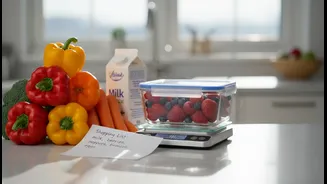
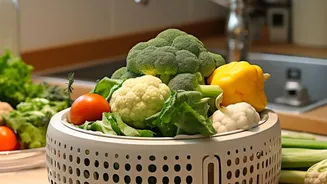
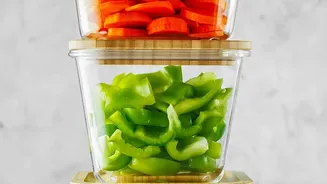
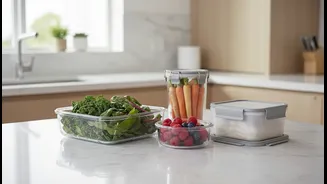
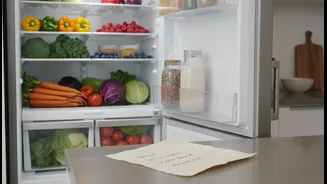
Preventing waste starts at the market. Take a moment to inspect produce before buying it. Gently feel for soft spots, especially on delicate items like tomatoes and peaches. For leafy greens, check for wilting or slimy leaves. During wet weather, it's wiser to buy smaller quantities more frequently. When you get your vegetables home, proper storage is key. First, ensure they are thoroughly dry before refrigerating them. Trapped moisture is an enemy. For many vegetables, storing them in airtight containers can protect them from the high ambient humidity of a monsoon kitchen. For leafy greens, wrapping them in a dry paper towel before placing them in a bag can absorb excess moisture and extend their life.
Handling and Using Imperfect Produce
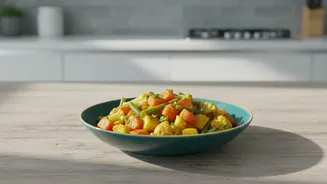
If you do end up with bruised or slightly damaged vegetables, don't despair—just be strategic. Prioritise using these items first. A bruised tomato is perfect for a curry or sauce, and a slightly wilted carrot is still great for a soup or stew. The rule of thumb is to cut away the damaged portion, ensuring you remove a small margin of the healthy-looking flesh around it as well. If a fruit or vegetable is extensively bruised, mushy, smells off, or has visible mould, it is best to throw it away. Your senses are your best guide; if it looks, feels, or smells bad, it’s not worth the risk. Always wash produce thoroughly under running water right before you plan to use it, not before storing, as washing can add moisture that encourages spoilage.