





A Record-Breaking Quarter
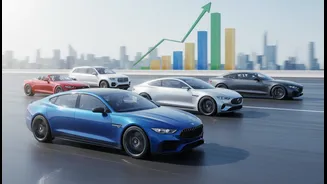
The Indian auto market has demonstrated exceptional strength, achieving its best-ever sales for the first quarter of a financial year. According to data from the Society of Indian Automobile Manufacturers (SIAM), passenger vehicle sales jumped by 25.9%
in the April-June 2026 period compared to the previous year, reaching over 1.27 million units. This impressive figure was not an isolated event. The entire auto retail sector reported its best-ever June, with overall registrations growing by nearly 22% year-on-year. This broad-based growth suggests that the positive sentiment is not confined to one specific area of the market but is a widespread trend.
Passenger Vehicles: Confidence on the Move
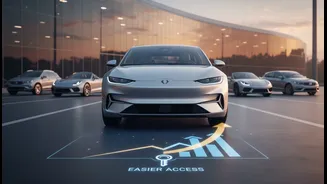
The passenger vehicle (PV) segment, which includes cars and utility vehicles (UVs), was a standout performer. The 25.9% growth for the quarter was largely driven by a combination of factors: new model launches, better vehicle availability, and sustained consumer interest. FADA, the dealers' association, noted that retail sales for passenger vehicles in June grew by an even stronger 28.6% year-on-year. Interestingly, this demand was particularly strong in rural India, which saw a 35% growth in PV sales, outpacing the 25% growth in urban centres. This indicates improving economic conditions and aspirations beyond the major metropolitan areas. A key milestone was also achieved, with alternative fuel vehicles—including CNG, hybrids, and EVs—crossing a 40% share of the market for the first time.
Three-Wheelers: The Engine of Local Commerce
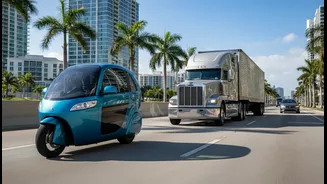
The three-wheeler segment saw a phenomenal 29.7% increase in sales during the first quarter. This surge points directly to a revival in economic activity at the grassroots level. Three-wheelers are crucial for last-mile public transport and goods delivery, and their strong sales reflect a buzzing local economy. The growth was robust across both passenger carriers and goods carriers. Furthermore, the electric revolution is most prominent in this category. In June, electric three-wheelers accounted for a staggering 64.1% of all three-wheeler retail sales, highlighting a rapid and decisive shift towards electrification in this essential transport segment.
Two-Wheelers: A Steady but Cautious Climb
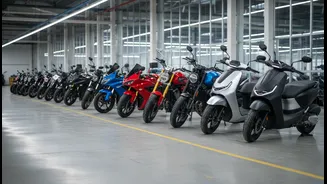
The two-wheeler market, often seen as a barometer for the health of the rural economy and mass-market sentiment, also posted healthy growth. Sales increased by a solid 20.3% in the first quarter. For June alone, retail sales were up 21.2% year-on-year, marking the best-ever June for the segment. However, FADA noted a slight sequential dip in rural two-wheeler sales, attributing it to a late and uneven monsoon which may have caused some potential buyers to wait and watch. Despite this, the shift towards electric two-wheelers is gaining significant traction, with their market share crossing 10% for the first time in June.
The Road Ahead: Optimism with a Side of Caution
The record-breaking quarter has set a positive tone for the rest of the financial year. Industry leaders and dealer associations express cautious optimism, with a majority of dealers expecting growth to continue into the upcoming festive season. This outlook is supported by supportive domestic demand, stable financing costs, and a pipeline of new models. However, the industry remains watchful of potential headwinds. The progress of the monsoon is a critical factor, as it directly impacts rural incomes and demand. Additionally, rising commodity costs could put pressure on manufacturers and potentially lead to price hikes, which might temper some of the current enthusiasms.