







1. Sthapana and Pranapratishtha: Welcoming the Divine
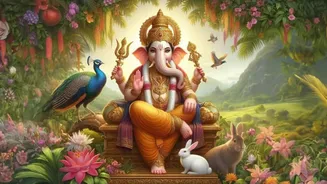
The festival begins with the Sthapana, the installation of a Ganesha idol in homes or public pandals. This is immediately followed by Pranapratishtha, a powerful ritual where priests chant sacred mantras to invoke the divine presence of Lord Ganesha into
the clay idol. It is a ceremony that transforms a beautifully crafted murti into a living deity, ready to be worshipped as an honoured guest for the duration of the festival.
2. The Grandeur of Public Pandals
While household celebrations are intimate, the Sarvajanik Ganeshotsav, or public festival, brings communities together. Elaborate temporary stages called pandals are erected, showcasing massive, artistically crafted Ganesha idols. This tradition was popularized by freedom fighter Bal Gangadhar Tilak to foster unity during British rule. Today, these pandals are centres of cultural activity, hosting music, dance, and social gatherings, with cities like Mumbai and Pune being famous for their grand displays.
3. Shodashopachara: The 16-Step Worship
At the heart of the daily prayers is the Shodashopachara Puja, a detailed 16-step form of worship. This ritual treats the deity as a revered guest, involving steps like offering a seat (Asana), washing the feet (Padya), bathing the idol (Snana), offering new clothes (Vastra), and presenting food (Naivedya). This systematic and heartfelt worship is a way for devotees to show their utmost respect and hospitality to the divine visitor in their home.
4. Modak: The Favourite Sweet Offering
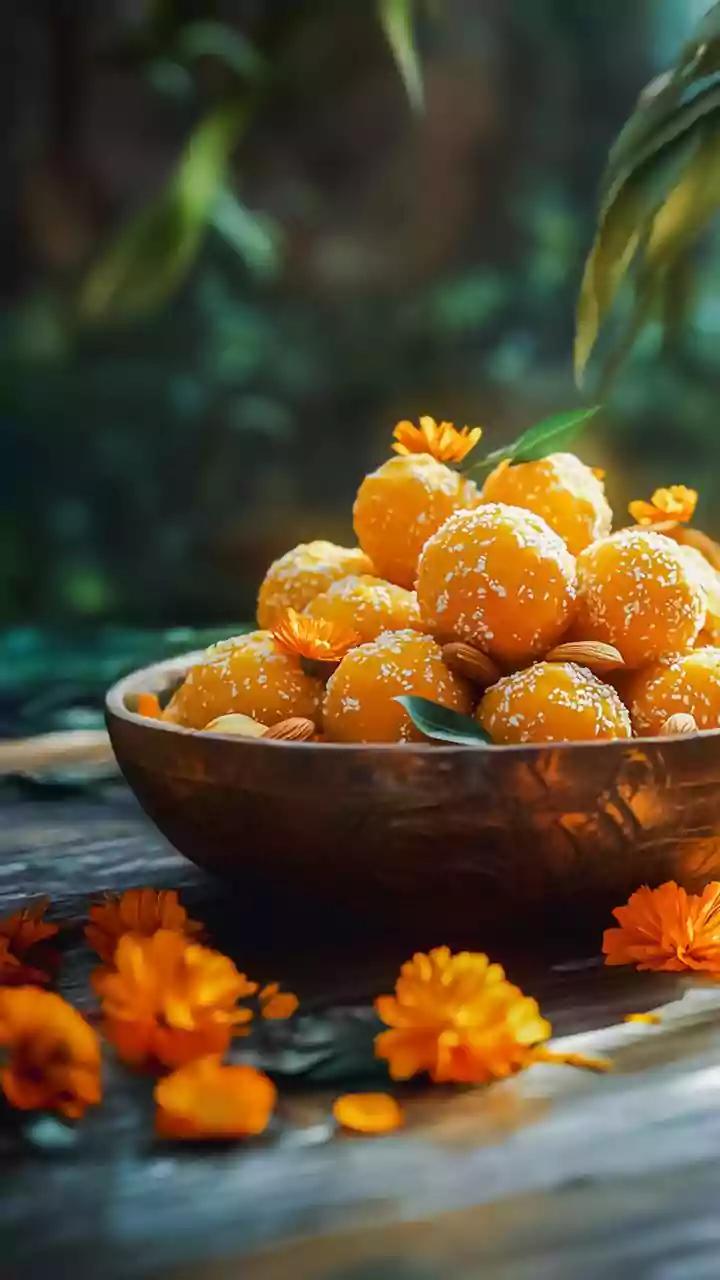
No Ganesh Chaturthi is complete without Modak, a sweet dumpling believed to be Lord Ganesha's favourite food. Traditionally, these are steamed rice-flour dumplings filled with a mixture of jaggery and fresh coconut. An offering of 21 modaks is considered highly auspicious. The sweet represents the reward of wisdom and the joy of a spiritual life, making it the most significant prasad (blessed food) of the festival.
5. The Symbolism of Durva Grass and Red Flowers
Specific natural offerings hold deep significance. Devotees offer 21 blades of Durva grass, a three-bladed sacred grass that is believed to please Ganesha immensely. Another key offering is the red hibiscus flower, which represents purity and devotion. These simple, natural items underscore the connection between divinity and nature, symbolising humility and pure intentions in worship.
6. The Sound of Devotion: Aarti and Bhajans
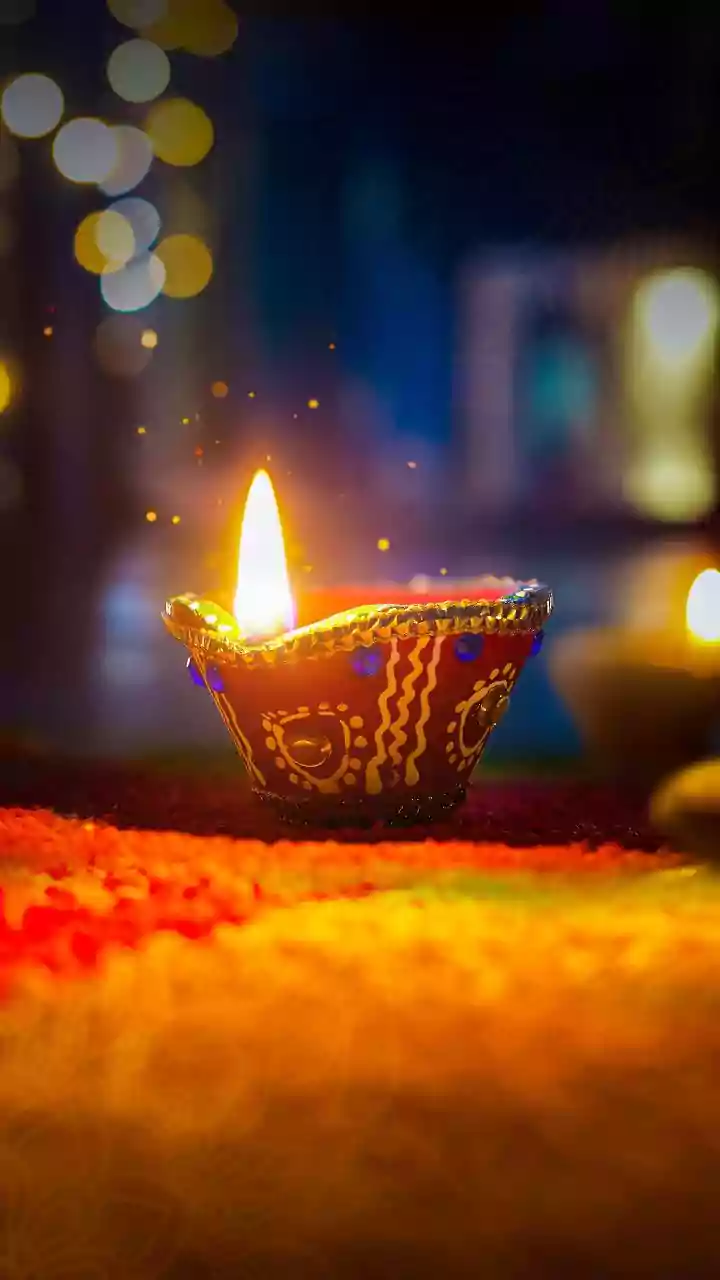
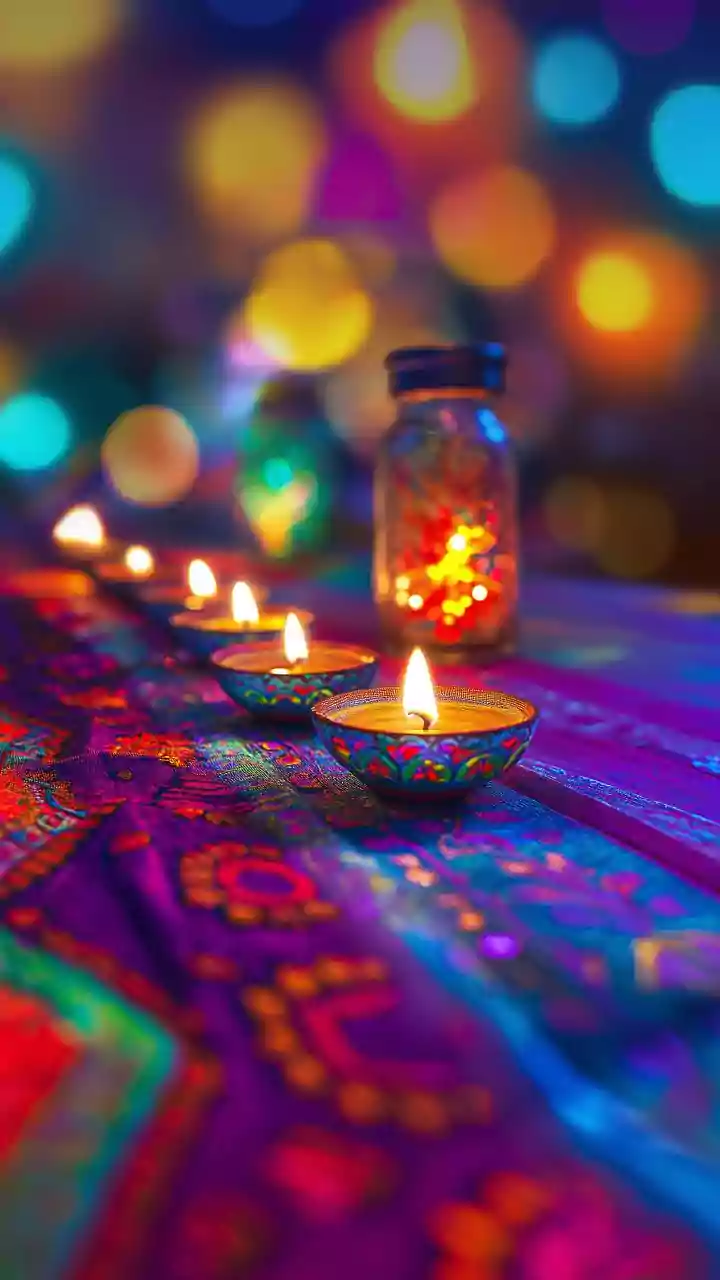
Twice a day, in the morning and evening, homes and pandals resonate with the sound of Aarti, the ceremonial waving of lamps accompanied by devotional songs (bhajans). The rhythmic chanting and the glow of the lamps create a powerful atmosphere of collective prayer and celebration. In Maharashtra, the 'Sukhakarta Dukhaharta' aarti is a staple, filling the air with reverence and joy.
7. A Festive Feast: More Than Just Sweets
While modaks are central, the festival is also a time for a grand vegetarian feast. The Naivedya thali includes an array of dishes. Popular items include Puran Poli (sweet flatbread), Sabudana Khichdi, various types of Laddoos, and Kheer (rice pudding). In South India, Kozhukattai, a dish similar to modak, is prepared. Sharing this food as prasad strengthens community bonds.
8. Eco-Friendly Idols: A Return to Tradition
Traditionally, Ganesha idols were made of natural clay (Shadu mati) that would easily dissolve in water. In recent years, there has been a significant movement to return to this eco-friendly practice, avoiding idols made from Plaster of Paris and chemical paints that pollute water bodies. Many now opt for clay idols or even perform a symbolic immersion at home in a bucket, using the dissolved clay for plants.
9. Breaking the Coconut: An Act of Surrender
The coconut is a vital offering in Ganesha puja. The act of breaking a coconut before the deity is deeply symbolic. Its hard outer shell represents the human ego, which must be shattered to reveal the soft, pure white kernel within. This ritual signifies a devotee's complete surrender and humility, breaking their ego to attain divine blessings and wisdom.
10. Visarjan: The Grand Farewell
The festival culminates with Visarjan, the immersion of the Ganesha idol in a body of water. This ceremony marks Ganesha's symbolic return to his celestial abode. Carried in grand processions with music and chants of “Ganpati Bappa Morya, Pudhchya Varshi Lavkar Ya” (O Lord Ganesha, come again soon next year), the immersion is both a jubilant farewell and a poignant reminder of life's cyclical nature—of creation, celebration, and dissolution.